
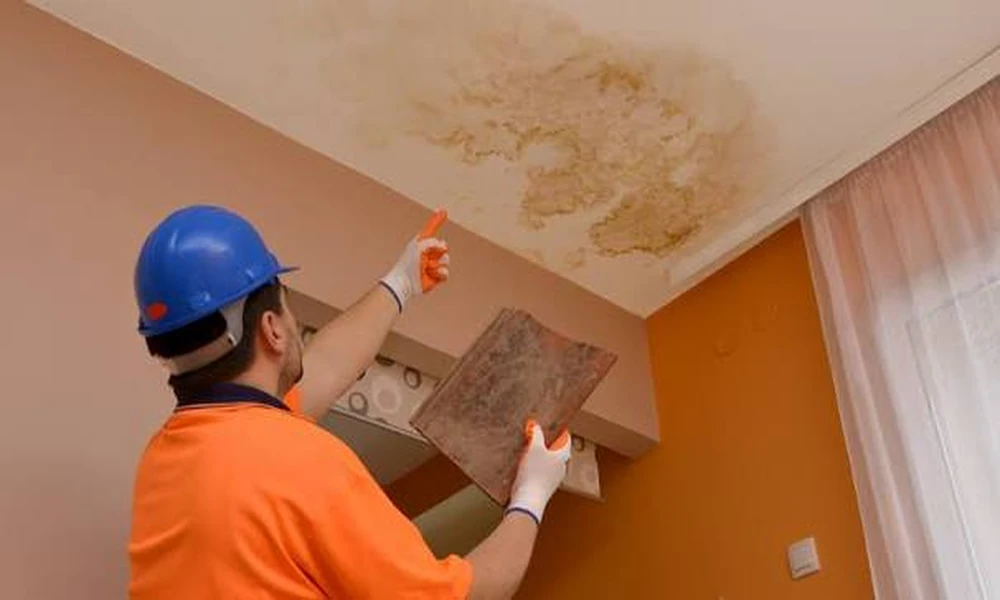
A discoloration on the top of a room often creates instant concern for homeowners. Yellow spots do not appear without reason, as moisture, heat, or environmental buildup usually sits behind the drywall sheet. Prompt action prevents small issues from turning into expensive structural problems later on.
A proper inspection helps reveal why there are yellow stains on your ceiling before major damage occurs. Partnering with skilled specialists ensures accurate root-cause identification and long-lasting repairs. This practical guide outlines clear steps to diagnose the source, protect the interior, and restore the home safely.
Locate the Primary Source of Moisture
Water travels along joists, insulation, and drywall panels before it pools in one spot. Thus, the mark on top of the room might sit several feet away from the actual leak. An inspection of the attic area directly above the spot offers clear answers.
Key Factors Behind Discoloration
- Roof Leaks: Damaged shingles, broken metal trim, or worn seals around vents let rainwater penetrate the roof deck.
- Plumbing Faults: Pipe joints, supply lines, or loose bathroom fixtures slowly drip liquid onto drywall panels.
- HVAC Condensation: Clogged drain lines or uninsulated air ducts drip excess moisture during humid summer weather.
- Smoke or Grease: Culinary oil and tobacco smoke create yellowish films near kitchen areas over long periods.
Immediate Actions to Mitigate Interior Damage
A fast response minimizes structural harm and inhibits mold growth within the property. When liquid accumulates on drywall, extra weight can cause the panel to sag or collapse entirely.
Essential Steps for Protection
- Contain the Drip: Place buckets or heavy plastic sheets below the discolored zone to collect drops.
- Relieve Pressure: Pierce the center of a swollen spot with a small screwdriver to release trapped water safely.
- Dry the Space: Run dehumidifiers and electric fans to remove residual moisture from air and attic spaces.
- Document the Issue: Take clear photographs of the damage for insurance records and repair plans.
Schedule a Professional Roof Inspection and Repair
Exterior roof defects remain the primary cause of interior moisture stains. Over time, storm damage, old materials, and compromised shingle seals allow water to breach the protective barrier above the attic. A licensed roof contractor provides the expertise needed to identify subtle entry points, evaluate roof decking condition, and execute durable repairs. Expert technicians inspect chimney caps, skylight seals, and ventilation systems to ensure complete weather protection. Prompt professional service stops recurring leaks at the source and safeguards the home against future structural deterioration.
Clean, Seal, and Paint the Surface
Cosmetic restoration should only begin after the root cause vanishes and the drywall completely dries out. Regular interior paint alone will not hide watermarks, as water-soluble tannins bleed through standard topcoats effortlessly. First, wipe the discolored area with a mild bleach solution or vinegar mixture to eliminate mildew spores and surface grease. Allow the drywall to dry for twenty-four full hours. Next, apply a high-quality oil-based or shellac-based stain-blocking primer. This specialized base coat seals the spot permanently so discoloration never bleeds through. Finally, apply two coats of interior ceiling paint to match the adjacent finish seamlessly.
Proactive maintenance keeps ceilings bright and dry year after year. Regular attic checks, gutter clearance, and prompt roof fixes eliminate conditions that create ceiling discoloration.
Understanding why there are yellow stains on your ceiling equips property owners to take decisive action before minor leaks turn into major structural expenses. With targeted repairs, proper surface preparation, and quality sealant, the ceiling returns to a flawless condition. Vigilance and timely professional maintenance protect the comfort, safety, and value of the home for years to come.

Comments are closed.