
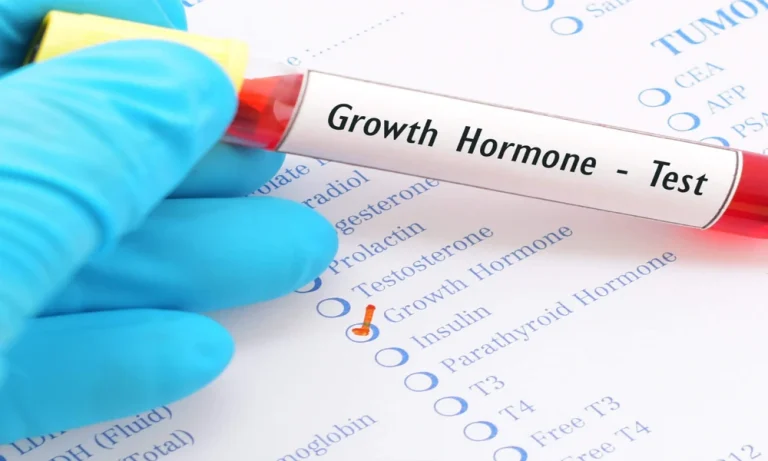
Aging is inevitable, but how we navigate its challenges can make all the difference between simply growing older and thriving at every stage of life. Beneath the surface changes in skin and strength lies a more subtle transformation, the gradual shift in our hormones, which quietly orchestrates much of how we look, feel, and function.
The Biology of Aging and Hormonal Changes
Hormones serve as the body’s chemical messengers, regulating everything from metabolism and mood to muscle growth and bone density. As we age, their balance begins to shift. The result? Reduced energy, decreased libido, thinning hair, and noticeable changes in cognitive sharpness and emotional well-being.
How Hormones Influence the Aging Process
In youth, hormones like estrogen, testosterone, progesterone, and thyroid hormones work in harmony to keep us vibrant. Over time, natural production slows. For women, menopause marks the dramatic decline of estrogen and progesterone, often accompanied by hot flashes, sleep disturbance, and mood swings. Men experience andropause, sometimes called “male menopause,” with a gradual drop in testosterone leading to fatigue, loss of muscle mass, and changes in motivation.
Key Hormones Affected by Aging: Estrogen, Testosterone, Thyroid, and More
Estrogen plays a crucial role in bone health and cardiovascular protection for women, while testosterone supports muscle retention, sexual function, and mood stability in all genders. Thyroid hormones control metabolism, influencing body weight and energy. Other hormones, such as DHEA and growth hormone, also decline, subtly impacting resilience and repair.
The Role of Bio-Identical Hormones in Replicating Natural Balance
Bio-identical hormones are designed to mirror the structure of those produced in the human body. This approach aims to restore youthful levels with minimal side effects. Clinics specializing in healthy aging, such as Clinique Anti Aging, offer tailored BHRT (Bio-Identical Hormone Replacement Therapy) protocols that closely replicate your body’s unique rhythm.
Understanding Hormone Replacement Therapies (HRT)
Hormone replacement therapy is not a one-size-fits-all solution. In fact, understanding the differences between types and delivery methods is essential for safety and success.
Types of Hormone Therapies: Synthetic vs. Bio-Identical
Synthetic hormones are chemically altered forms that mimic hormonal effects but may differ from natural ones at the molecular level. Bio-identical hormones, on the other hand, are structurally identical to those your body produces, which some research suggests may offer a safer and more effective option for some individuals.
Methods of Delivery: Pills, Patches, Injections, and Topicals
Hormones can be administered in various ways, each with distinct advantages. Pills are convenient but may affect the liver. Patches provide a steady release but can irritate the skin. Injections deliver powerful, periodic doses, while topical gels and creams allow for precise absorption. The ideal choice depends on the individual’s health profile and preferences.
Personalizing Treatment: Assessing Hormonal Needs and Risks
Before beginning therapy, comprehensive lab testing and medical history assessment are vital. This step helps pinpoint which hormones need adjustment and identifies any underlying risks. Providers then design a protocol that balances benefits and safety, often revisiting dosages as your body responds.
Clinical Benefits and Scientific Evidence of Hormone Therapies
The effects of hormone therapies extend beyond vanity; they touch the very core of longevity and well-being.
Impact on Physical Health: Bone Density, Muscle Mass, and Metabolism
Hormone therapy has been shown to protect against osteoporosis by preserving bone density, particularly in postmenopausal women. Testosterone therapy in men can help maintain muscle mass and metabolic rate, reducing the risk of obesity and its complications.
Cognitive and Psychological Effects: Mood, Memory, and Energy
Many patients report improved mood stability, sharper memory, and renewed motivation with hormone balance. While research continues, evidence suggests estrogen and testosterone support brain health, possibly lowering dementia risk.
Addressing Menopause and Andropause Symptoms with BHRT
Bio-identical hormone therapy can dramatically ease symptoms like hot flashes, night sweats, irritability, and loss of libido, bringing relief to those navigating menopause and andropause.
Safety, Risks, and Controversies Surrounding Hormone Therapies
Despite their benefits, hormone therapies come with controversies and misconceptions.
Common Side Effects and How to Manage Them
Potential side effects include bloating, breast tenderness, mood changes, or mild skin reactions. Regular follow-up and dosage adjustments help minimize these effects and ensure ongoing safety.
Long-Term Health Considerations and Research Findings
Concerns about cancer and cardiovascular risks have surrounded HRT for years. Yet, recent studies indicate that bio-identical hormones, individualized and carefully monitored, may offer a better safety profile than previously believed. Open dialogue with your provider is key.
Myths vs. Facts: Debunking Misconceptions About HRT
One persistent myth claims that all hormone therapy is inherently dangerous. In reality, tailored BHRT protocols, especially when prescribed by experienced specialists, are far from one-size-fits-all and can be both safe and transformative.
Integrating Hormone Therapy into a Holistic Anti-Aging Plan
No hormone protocol works in isolation. The best results come when therapy is part of a broader wellness strategy.
Combining HRT with Lifestyle Changes: Nutrition, Exercise, and Sleep
Balanced nutrition, regular movement, and restorative sleep amplify the benefits of hormone therapies, supporting healthy weight, immune resilience, and mental acuity.
The Role of Aesthetic and Regenerative Treatments in Enhancing Results
Modern clinics complement hormone therapy with advanced aesthetic interventions to address physical signs of aging without lengthy downtime. Techniques like microneedling, laser resurfacing, and targeted injectables work in harmony for comprehensive rejuvenation.
Monitoring and Adjusting Therapy for Optimal Aging Outcomes
Continuous monitoring and open communication allow for ongoing adjustments to your plan. In the hands of skilled providers, hormone therapy becomes a dynamic tool, enabling you to look, feel, and live your best at any age.