
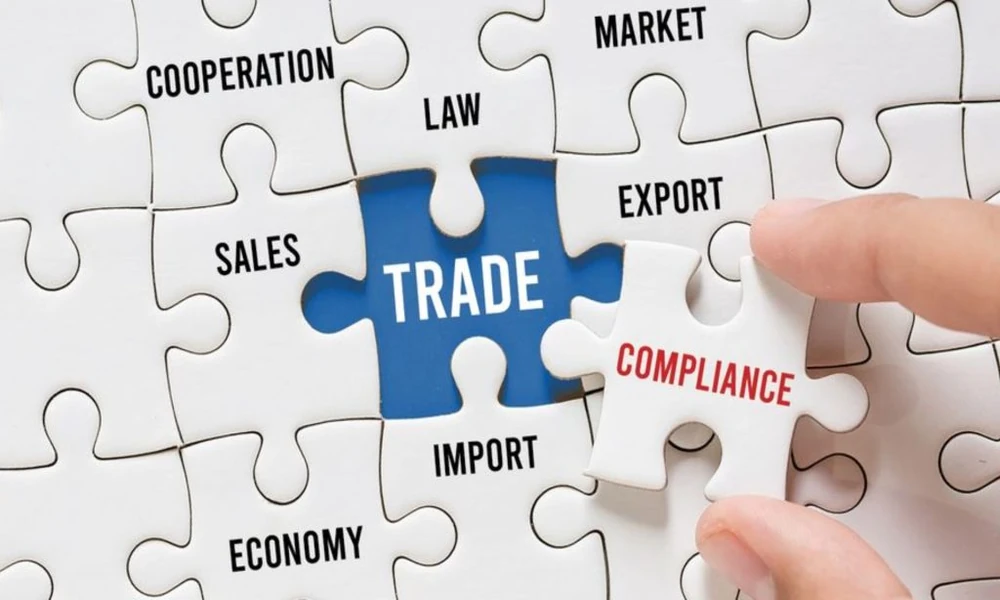
Accurate records help businesses move goods across borders without avoidable delays. Clear details support customs checks and help teams meet legal duties. A customs audit guide can help staff understand record-keeping requirements. Correct paperwork also reduces errors during shipment processing. Companies that check every form before dispatch can prevent costly mistakes. Strong documentation practices improve coordination between suppliers and buyers while supporting reliable business operations across international trade activities.
Why Must Shipping Records Remain Accurate?
Correct records help officials verify goods and confirm declared information. They also reduce confusion during routine checks and reviews.
Which Documents Support Cross-Border Trade?
Commercial invoices describe product values. Packing lists show quantities. Transport records explain shipment details. Each document should contain matching information.
What Makes Declarations Easier To Verify?
Declarations should use clear descriptions and correct values. Supporting papers must confirm the information provided to officials.
• Compare declared values against invoices.
• Verify quantities using packing lists.
• Check product codes against current rules.
• Confirm required permits are available.
• Correct errors before submission.
How Can Staff Improve Record Keeping?
Regular training helps employees understand documentation duties. A customs audit guide can support consistent checks and explain common record-keeping mistakes.
• Assign clear duties to team members.
• Review records at planned intervals.
• Maintain a list of required documents.
• Report missing information promptly.
• Update procedures when rules change.
How Can Businesses Prevent Form Errors?
Staff should review every entry before approval. Simple checks can identify missing details and incorrect figures before goods leave storage.
What Details Should Invoices Include?
Invoices need clear product descriptions and correct values. Seller details and buyer information must also match supporting business records.
How Do Packing Lists Improve Checks?
Packing lists help workers confirm item counts and package contents. Accurate entries make physical inspections easier and reduce handling mistakes.
Why Must Businesses Retain Past Records?
Stored records help explain earlier shipments during reviews. Safe storage also supports internal checks and future business decisions.
• Follow applicable retention periods.
• Protect confidential business details.
• Keep readable copies of documents.
• Arrange files by shipment reference.
• Remove access when staff roles change.
Why Should Product Codes Be Verified?
Correct product codes help determine applicable duties and rules. Businesses should confirm classifications before submitting declarations to the relevant authorities.
When Should Teams Review Export Permits?
Teams should check permit needs before dispatch. Early reviews help identify restricted goods and prevent shipments from proceeding without required approval.
How Can Teams Organise Essential Trade Records?
A clear filing method helps staff locate documents quickly. Keep related records together and use consistent names for easy identification.
• Store invoices with matching order details.
• Keep copies of submitted declarations.
• Record approval dates for reference.
• Check document versions before use.
• Limit access to authorised staff.
How Can Technology Support Document Reviews?
Document tools can help teams organise files and identify missing entries. Staff should still verify important details before submission.
• Use shared folders with controlled access.
• Apply standard templates for common forms.
• Track document approval status.
• Set reminders for pending checks.
• Back up important business records.
What Happens When Documents Contain Errors?
Incorrect records may cause delays or extra checks. Prompt corrections help resolve issues while limiting disruption to business operations.
• Identify the source of each error.
• Contact the responsible team member.
• Submit corrected details when required.
• Keep evidence of approved changes.
• Review the process to prevent recurrence.
How Can Managers Measure Compliance Progress?
Managers can review error rates and correction times. Regular assessments reveal weak points and help teams improve daily procedures.
• Track missing document incidents.
• Measure time spent correcting errors.
• Review feedback from customs checks.
• Record completed staff training.
• Set targets for better accuracy.
Reliable paperwork begins with clear responsibilities and regular reviews. Businesses should establish standard checks for every shipment and correct mistakes before submission. Staff training and secure record storage further reduce risks. By following current rules and checking supporting evidence, companies can improve compliance, avoid preventable delays and maintain dependable trade operations.

Comments are closed.