
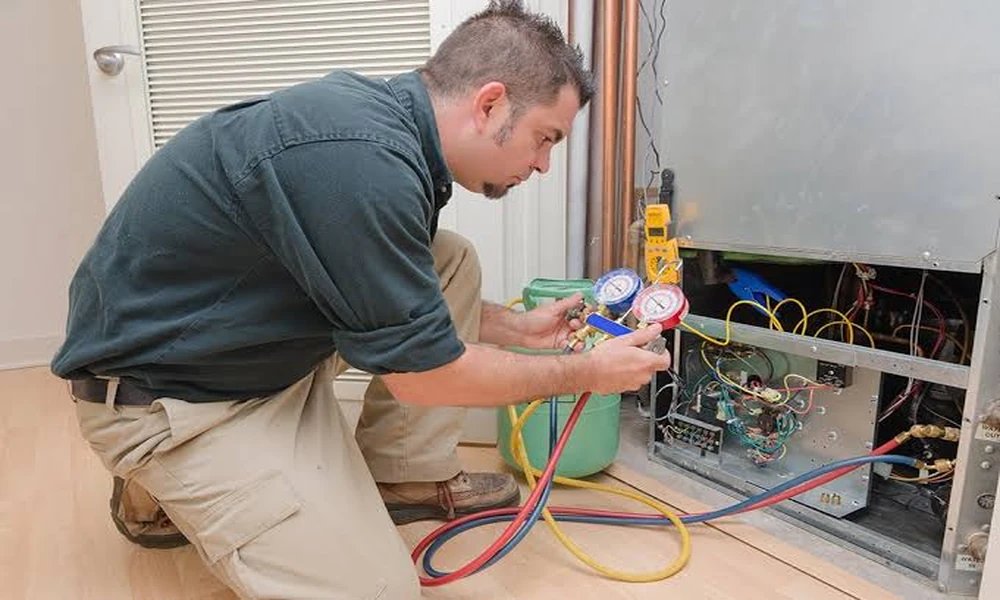
Maintaining efficient plumbing, heating and cooling systems is an important part of keeping a home comfortable, safe and cost-effective to run. From preventing leaking pipes to ensuring heating equipment operates correctly, regular attention can help homeowners identify minor issues before they develop into more disruptive problems. A well-maintained property is also better prepared for seasonal changes and unexpected demands on household systems.
Home improvement projects can provide opportunities to assess how existing systems support everyday living. For example, homeowners considering a basement conversion London project should evaluate plumbing access, ventilation, heating requirements and moisture control before construction begins. Addressing these considerations early can help prevent avoidable complications and make it easier to integrate new living spaces with the rest of the property.
Schedule Regular Plumbing Inspections
Routine plumbing inspections can help identify dripping taps, worn seals, slow drains and early signs of pipe corrosion. Although individual problems may initially appear minor, unresolved leaks can damage flooring, walls and structural materials. Checking visible pipework, taps, toilet connections and areas beneath sinks allows homeowners to spot changes before they become more serious. Persistent leaks, reduced water pressure or unexplained increases in water consumption may require professional investigation.
Preventative maintenance should also include checking outdoor taps, exposed pipework and drainage systems before colder weather arrives. Pipes in unheated spaces, including lofts, garages and outbuildings, may be particularly vulnerable to freezing during cold spells. Suitable insulation can reduce this risk, although it cannot eliminate every possibility of freezing. Homeowners should know where their main stopcock is located so that the water supply can be isolated quickly if a pipe bursts.
Improve Heating and Cooling Efficiency
Heating systems work more effectively when they receive appropriate maintenance and operate under suitable conditions. Homeowners should follow manufacturer recommendations for servicing boilers, heat pumps and other heating equipment. Radiators may need bleeding if trapped air prevents them from warming evenly, while obstructed vents can restrict airflow in systems that use ductwork. Unusual noises, persistent cold spots or inconsistent temperatures should be investigated rather than ignored.
Cooling and ventilation also influence indoor comfort, particularly during warmer months. Keeping air vents unobstructed, cleaning accessible filters according to manufacturer guidance and maintaining suitable thermostat settings can support effective operation. Extractor fans in kitchens and bathrooms help remove moisture, reducing the likelihood of condensation when used appropriately. Where a system repeatedly struggles to maintain comfortable temperatures, a qualified technician can assess whether maintenance, repairs or adjustments are needed.
Plan Plumbing and Climate Control for Home Improvements
Renovations often change how water, heating and ventilation systems need to operate. Before converting unused space, consider the location of existing pipework, drainage connections, radiators, electrical supplies and ventilation routes. A basement conversion London project, for instance, may require additional attention to damp prevention, drainage arrangements and air circulation because below-ground rooms have different moisture and ventilation challenges from above-ground spaces.
Planning these details before construction begins can reduce the likelihood of expensive alterations later. Moving pipework or installing new heating equipment may increase labour and material costs, while access restrictions can make work more complicated in older properties. In England, planning permission is not automatically required for every internal renovation, but building regulations may apply to structural alterations, drainage, ventilation, insulation and electrical or heating work. Listed buildings and properties in conservation areas may face additional requirements, so homeowners should check with their local planning authority and building control service before proceeding.
Prevent Moisture and Drainage Problems
Moisture management is essential for protecting plumbing installations and maintaining a healthy indoor environment. Condensation can develop when warm, humid air meets cold surfaces, particularly around windows, external walls and poorly ventilated bathrooms. Using extractor fans, maintaining adequate ventilation and addressing leaks promptly can help control excess moisture. If damp patches persist, homeowners should investigate the cause rather than relying solely on surface treatments or decorative repairs.
Drainage systems also benefit from sensible preventative care. Avoid pouring cooking fats, oils or unsuitable materials down sinks, as these can contribute to blockages. Hair-catching devices in bathroom drains and regular cleaning of accessible waste fittings may help reduce obstructions. Slow drainage affecting several fixtures, recurring blockages or unpleasant smells may indicate a deeper problem that requires professional assessment. Avoid using aggressive chemical cleaners indiscriminately, as they may damage some pipework or create hazards when handled incorrectly.
Establish a Practical Maintenance Routine
A simple maintenance schedule makes it easier to keep household systems in good condition throughout the year. Monthly visual checks can identify visible leaks, dripping taps and changes in water pressure, while seasonal tasks can include inspecting outdoor taps, checking ventilation and reviewing heating controls. Annual servicing should follow the requirements of the equipment manufacturer and any applicable safety recommendations. Keeping records of repairs and service visits can also help homeowners recognise recurring faults.
Professional support is useful when problems involve hidden pipework, gas appliances, electrical connections or complex heating equipment. Homeowners in North Canton, Ohio, can explore HVAC and plumbing services in North Canton, OH for assistance with maintaining essential household systems. Regardless of location, choosing appropriately qualified professionals and obtaining clear written estimates can help property owners understand the proposed work, likely costs and any necessary follow-up maintenance.
The Bottom Line
Year-round plumbing and climate control efficiency depends on regular inspections, appropriate servicing, moisture management and sensible everyday habits. Addressing small faults early can help protect the property, maintain indoor comfort and reduce the risk of more disruptive repairs. Renovations also provide an opportunity to review whether existing systems can support changing household needs.
The most effective approach is to combine routine homeowner checks with professional assessments when problems require specialist attention. By planning improvements carefully, understanding applicable building requirements and maintaining a consistent schedule, homeowners can keep plumbing, heating and ventilation systems working reliably while making informed decisions about future upgrades.

Comments are closed.