Category

Health

Category

Investing in reusable medical equipment is a crucial decision for any clinic or healthcare facility. These tools form the backbone of patient care, and choosing the right ones ensures safety, efficiency, and long-term value. From diagnostic devices to surgical instruments, your selections must balance quality, compliance, and cost-effectiveness. 

To help you make informed purchasing decisions, here are five key things to consider.

Prioritize Quality and Durability

When purchasing reusable equipment, durability is non-negotiable. High-quality instruments may come with a higher upfront cost, but they offer greater longevity, reliability, and fewer replacements over time. Look for products made from medical-grade materials such as stainless steel or reinforced polymers. 

Consider how frequently the equipment will be used and whether it can withstand repeated sterilisation without degradation. Low-quality devices may compromise patient safety and cost more in the long run.

Ensure Compliance with Safety Standards

All medical equipment must meet strict regulatory standards. Before making any purchase, verify that the equipment complies with local health authority regulations and international standards such as ISO 13485 or FDA guidelines. 

Proper certifications guarantee the equipment is safe, sterile, and suitable for repeated use in clinical settings. Non-compliant equipment not only poses a risk to patients but could also lead to legal consequences or insurance issues for your clinic.

DME Consulting for Expert Guidance

Purchasing medical equipment isn’t just about checking boxes—it’s about aligning your choices with your clinic’s unique needs, patient load, and budget. This is where hiring a DME (Durable Medical Equipment) consultant becomes invaluable. A DME consultant offers expert insight into product selection, vendor comparison, compliance requirements, and cost-benefit analysis. They can assess your clinic’s workflow and recommend equipment that integrates seamlessly into your operations. 

Consultants can also help you avoid common purchasing pitfalls, negotiate better pricing, and ensure your investment meets both current and future demands. In a market flooded with options, dme consulting helps you make smarter, safer, and more strategic decisions.

Consider Sterilization and Maintenance Requirements

Reusable medical equipment must be sterilised regularly to prevent infection and cross-contamination. When evaluating products, consider how easy they are to clean and maintain. Does the equipment require specialized cleaning solutions or machines? Is it compatible with your current sterilisation methods? 

Equipment that is difficult to sterilize can slow down procedures or create risks in patient care. Look for devices that come with clear maintenance guidelines and user-friendly designs.

Evaluate Vendor Support and Warranty Policies

Good vendor support is just as important as the equipment itself. Choose suppliers that offer clear warranties, responsive customer service, and training support. If a product fails or malfunctions, you need quick access to repairs or replacements to avoid disrupting patient care. 

Reliable vendors also provide detailed documentation, training manuals, and support for installation or upgrades.

Conclusion

Buying reusable medical equipment for your clinic is a long-term investment in patient care and operational efficiency. By focusing on quality, compliance, maintenance, vendor support, and hiring a knowledgeable consultant, you can make informed choices that serve both your patients and your bottom line.


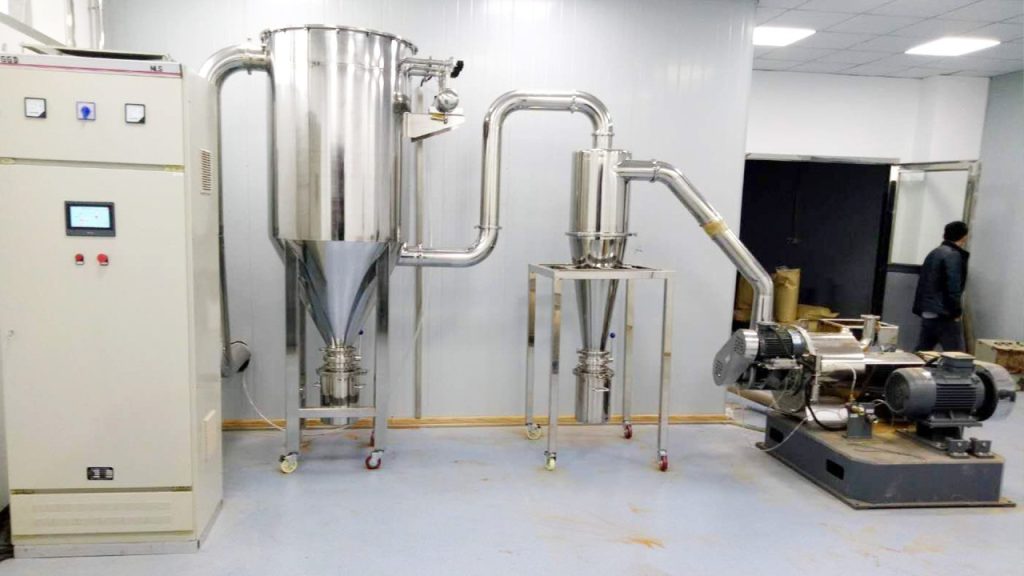
Air classifier’s ability to separate particles by amount or weight makes them priceless in achieving production consistency and status. Like any complex machinery, air classifiers require orderly maintenance to guarantee they continue to be used at peak efficiency.

In this blog post, we will explore a few essential maintenance tips for your air classifier, mixing practical recommendation with a touch of personality to form this topic as charming as it is informative.

Regular Inspection: Your First Line of Défense

Just like accompanying any piece of machinery, regular examination is fundamental to catching potential issues before they increase. Allocate time for periodic checks of the complete classifier system.

Look out for signs of erosion, such as different noises, shakings, or visible damage to some components. Regular inspections can counter small issues in an Air classifierfrom flattering costly repairs.

Key Areas to Inspect

·       Blades and Rotors:

Ensure that they are free of waste and show no signs of excessive wear. Worn blades can lead to wasteful classification and raised energy devouring.

·       Airflow System:

Check for leaks or blockages in the airflow structure. Any disruption here can considerably impact the classifier’s performance.

·       Bearings and Shafts:

These should be lubricated regularly to avoid overheating and wear. Listen for any different sounds that could display a problem.

Cleaning: Keeping It Fresh and Functional

Maintaining cleanness within your air classifier is critical. Accumulated dust and debris can clog the system, lowering its adeptness and affecting the condition of the end amount. A clean machine is a satisfied machine!

·       Cleaning Tips

Dust Collection System:

Regularly empty and clean the dust collection system. A full or blocked collector will harm the classifier’s performance.

Internal Components:

Use condensed air to clean internal elements, ensuring that detracting parts like the rotors and blades remain innocent dust build-up.

Filters:

Clean or replace filters as needed to ensure optimum airflow through the classifier.

Calibration: Precision Matters

Calibration is essential for guaranteeing that your air classifier is performing at its best. Over time, parts can shift or wear down, superior to a drift in calibration backgrounds.

·       Calibration Steps

Frequency:

Regularly check and recalibrate the classifier to maintain accuracy; the frequency will believe usage and functional conditions.

Tools:

Use exact measuring tools to ensure that scenes and measurements are correct.

Documentation:

Keep a detailed log of calibrations, noticing any adaptations made and the reasons for them. This will aid in future support and troubleshooting.

Conclusion

While maintaining an air classifier might not be at the top of your list of exciting activities, it is certainly important. So, roll up your sleeves, present your air classifier with the TLC it deserves, and savor the benefits of a machine that works as hard as you do.

Pain ranks among the primary concerns for individuals considering medical treatments. Shockwave therapy brings forth queries about comfort levels during sessions. The treatment uses acoustic waves that pass through tissue, creating precise, controlled sensations. Most patients describe the feeling as tolerable with minimal distress.

Managing expectations

The sensation varies based on the treated area and wave intensity settings. Medical professionals adjust these parameters for optimal results while maintaining patient comfort. The process starts at lower intensities, allowing gradual adaptation. This methodical approach helps patients stay relaxed throughout their sessions.

Facts about sensation levels

Research demonstrates that pain perception differs among individuals. Some experience mild pressure or tapping sensations, while others report temporary muscle tenderness. The treatment area determines the level of sensitivity. Bony regions might feel more pronounced effects compared to muscular zones.

Duration makes difference

Each session typically spans 15-20 minutes, making any temporary discomfort manageable. Breaks between pulses allow tissue recovery time. Medical teams monitor patient responses throughout treatment, adjusting settings when needed. Patients maintain control over their experience, communicating freely with providers about comfort levels.

Treatment benefits outweigh the temporary effects

Shockwave for ED Meridian treatment offers substantial improvements in tissue healing. The momentary sensations during therapy fade quickly after sessions end. Most patients report minimal aftereffects, returning to regular activities immediately following treatment. This non-medication approach stimulates natural healing processes.

Essential preparation tips

  • Wear comfortable clothing
  • Stay hydrated before sessions
  • Avoid anti-inflammatory medications 24 hours prior
  • Communicate openly with your provider about concerns
  • Follow pre-treatment guidelines precisely

Results speak volumes

Patient satisfaction rates remain consistently high across medical centres. The temporary nature of any discomfort contrasts with lasting positive outcomes. Follow-up assessments show sustained improvements weeks after completing treatment cycles. Documentation supports the therapy’s effectiveness.

Physical response patterns

  • Initial sensitivity during first sessions
  • Gradual adaptation to treatment
  • Decreased sensitivity in subsequent visits
  • Minimal post-treatment soreness

Treatment progression details

Sessions follow structured protocols developed through extensive clinical experience. Practitioners document responses, tracking comfort levels across visits. This data helps refine approaches for maximum benefit with minimal discomfort. Progressive improvements encourage continued participation.

Practical comfort measures

The medical team provides various strategies for managing any temporary sensations. Position adjustments during treatment help distribute pressure evenly. Brief pauses between pulses allow natural adaptation. These measures contribute to overall treatment tolerance.

Treatment frequency facts

Optimal results typically require several sessions spaced appropriately. This scheduling allows natural healing between treatments. The body adapts progressively, often showing decreased sensitivity over time. Treatment intervals maximize therapeutic benefits while maintaining comfort.

Equipment precision matters

Modern acoustic wave systems feature advanced calibration capabilities. These technologies deliver precise energy levels to targeted areas. Regular maintenance ensures consistent performance. Technical precision contributes to treatment comfort.

Physical preparation guidelines

  • Complete medical history review
  • Discussion of comfort management options
  • Setting realistic expectations
  • Understanding treatment progression
  • Learning about self-care measures

Medical records track individual responses across treatment sessions. This information helps optimize future treatments. Documented outcomes support therapy effectiveness. Professional documentation ensures quality care standards.

Professional teams maintain strict safety protocols throughout treatment courses. Regular equipment checks ensure optimal performance. Staff training upholds quality standards. Medical supervision guarantees appropriate care delivery.

Chronic pain affects many lives, casting a shadow on daily activities. Wellness clinics have emerged as key players in the battle against this persistent issue. These clinics offer a holistic approach, focusing on the body, mind, and spirit. Many people experience connections between their pain and mental well-being, such as anxiety ohio residents often face. By addressing these links, wellness clinics provide hope and relief.

The Role of Wellness Clinics

Wellness clinics aim to treat the individual, not just the symptoms. They incorporate various services that address physical pain, mental health, and lifestyle habits. This comprehensive approach seeks to find the root cause of pain, which can lead to more effective management and healing.

Key services often provided by wellness clinics include:

  • Physical therapy for improving movement and reducing pain
  • Counseling sessions to address mental health concerns
  • Nutritional guidance to support overall health

Understanding Chronic Pain

Chronic pain is complex and can last for weeks, months, or even years. According to the Centers for Disease Control and Prevention (CDC), chronic pain affects more Americans than diabetes, heart disease, and cancer combined. It often stems from injuries, ongoing illnesses, or even stress.

By understanding the nature of chronic pain, wellness clinics tailor treatments that address each person’s unique needs. This individualized care can provide long-term relief and improve quality of life.

Comparing Treatment Options

Choosing the right treatment can be overwhelming. Below is a simple comparison of common approaches:

Treatment Type Pros Cons
Medication Quick relief Potential side effects
Physical Therapy Improves mobility Requires time commitment
Wellness Clinics Holistic care Varies by clinic

The Psychological Connection

Pain and mental health are closely linked. Stress, depression, and anxiety can increase pain, and chronic pain can lead to mental distress. Wellness clinics understand this psychological connection and work to break the cycle of pain and mental health issues.

For instance, mindfulness techniques and cognitive behavioral therapy (CBT) are often used to help manage pain. These methods teach strategies for coping with pain and stress, leading to a more balanced life.

Looking Ahead

The future of pain management is promising, with ongoing research and innovations in treatment. The National Institutes of Health (NIH) continues to fund studies aimed at finding new ways to manage chronic pain effectively.

As understanding of chronic pain evolves, wellness clinics remain at the forefront of providing comprehensive care. By combining medical expertise with holistic practices, they empower individuals to take control of their health and well-being.

Conclusion

Chronic pain need not be a life sentence. Wellness clinics offer a beacon of hope through their integrated approach to treatment. By addressing both body and mind, these clinics help individuals find relief and reclaim their lives. Through personalized care and support, wellness clinics stand as vital allies in the fight against chronic pain.