Author

Clare Louise

Browsing

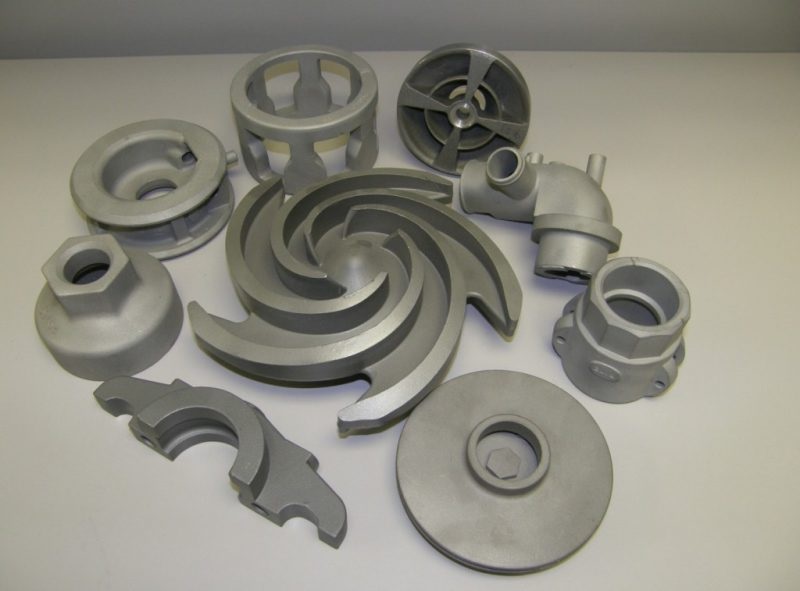
Investment casting, also known as “lost-wax” casting, employs a disposable mold. This method is used to create intricate objects with extremely flawless exteriors. Due to the variety that can be accomplished through mold design, this procedure requires a high degree of precision. Patterns for sand casting must be cut in half and have internal cores so that they can be sustained within a split mold that has been closed. Almost any shape that can be carved from wax and coated can be utilized to create an investment mold. Due to the increased complexity, the technique and molding are more expensive, but the final product can be more intricate and precise.

Flexible Design

Typically, design flexibility is regarded as one of the primary advantages of investment casting

It is particularly useful for components with numerous moving parts, as well as those with complex internal structures. Aluminum alloy, cast iron, and non-ferrous alloys are some of the most frequently used investment cast materials, but the range of investment cast materials is practically limitless. The method’s benefits are notably evident when applied to high-temperature alloys.

More Stringent Tolerances and More Precise Net Forms

Investment casting is commonly referred to as precision casting, especially when applied to the fabrication of stainless steel precision castings. Our ability to meet acceptable tolerance level CT5-CT6 enables us to eliminate the need for additional machining in comparison to other production techniques of a similar nature.

A remarkably refined surface finish

Investment casting, also known as the lost wax method, generates a surface with superior finishing compared to other casting techniques. Compared to other casting methods, tolerances for investment castings are significantly more precise. In particular when compared to sand casting, forging, or welding as manufacturing techniques. The superior surface refinement that results from such close tolerances necessitates significantly less or even no machining. Additionally, there are instances in which surface polishing is unnecessary.

Fewer casting flaws and superior overall quality

Investment casting can produce high-quality products with a reduced number of casting defects. The rate of rejected parts is substantially lower than in sand casting, and we are able to provide reliable process controls. This does not, however, guarantee that there will be no errors. So that we can guarantee that our consumers receive flawless products. After the production phase concludes, we will conduct a thorough inspection to ensure the absence of defects.

Producing fewer waste by products while maintaining price competitiveness

Due to the near-net shape produced by investment casting, minimal machining is required, which serves to reduce material waste. The apparatus required for investment casting is less expensive, and the process is inherently less risky. It makes it possible to maintain manageable costs. Strong performance in the economic realm. Cost-effective consumption of energy, materials, and molds. During the initial phases of product development, relatively small sums are invested. Therefore, manufacturing costs are quite competitive.

Custom sizes are available, and there is no minimum order quantity

Due to the versatility of investment casting, casts of varying diameters can be produced. The number of castings can range from a few to a considerable amount. Casting permits the construction of both miniature objects weighing less than 0.1 kg per ounce and enormous objects weighing up to 100 kg.

Materially, Diversity of Variety Diversification

The investment casting process is applicable to a vast array of materials. Precision casting can produce a variety of alloys, including carbon steel, alloy steel, heat-resistant alloy, stainless steel, and heat-resistant alloy. When it comes to investment casting, a variety of materials are available for use.

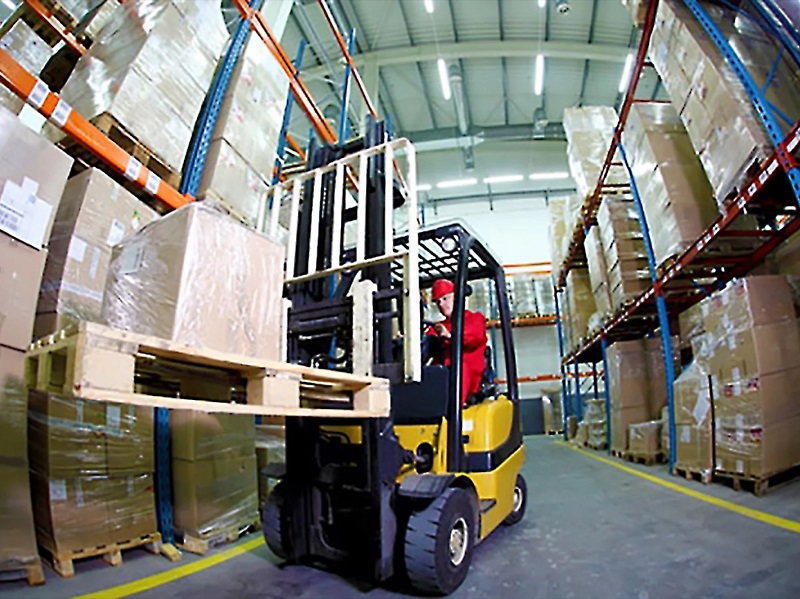
Wholesale distribution has existed for a considerable amount of time. There are never direct sales from a manufacturer to an individual consumer; rather, distribution channels always facilitate the purchasing and selling process.

Wholesalers may also be referred to as mediators or brokers, depending on one’s perspective. Either they select items in bulk from the production points and then repackage them before supplying them to retail stores, or they occasionally supply directly to businesses that use the items for their own operations and resell them to end users. Either they collect products in volume from production sites, or they repackage and distribute to retail outlets.

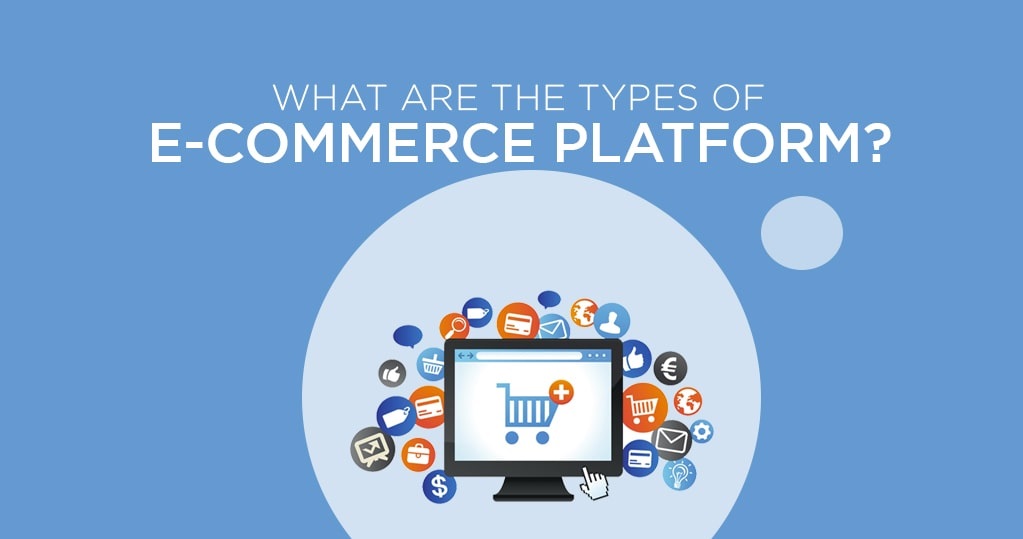
  • In order to compete in today’s fast-paced consumer market, businesses no longer adhere to traditional methods of conducting business. They are open to new experiences, and the internet is proving to be the greatest gift we’ve ever received. Websites that facilitate online commerce are rapidly becoming the next big thing in this industry. They conduct all of their transactions online, eliminating any needless effort.
  • The customer either makes a pre-booking or uses Cash on Delivery, after which the shipment is delivered to them. In the first scenario, the buyer pays using an electronic payment method, such as internet banking, a credit card, or a debit card; in the second scenario, the buyer pays after receiving the items.
  • When we consider how we obtain anything that is processed or manufactured in a factory and then brought to us in consumable form, we can comprehend the process with relative simplicity.
  • Consider a loaf of bread purchased from a grocery store for in-home consumption or a hamburger ordered from any restaurant. If the supermarket purchases from the manufacturer directly, we can consider it a retailer. If a third party purchases and transfers the bulk packages to a shopping mall, the consumers will eventually purchase the bread loaves, at which point the wholesale distribution channel that preceded the mall will become a wholesale distributor. However, as the product finds its way to successive groups of customers, the pricing changes significantly. This is the result of the plethora of taxes and levies imposed on movable products and consumables.

When something is manufactured in large quantities, the price of each unit decreases significantly. Transport fees, surcharges, maintenance fees, and a plethora of other expenses are multiplied by the time a product reaches its final consumers, increasing its price from a negligible amount to a substantial one. The supply chain governs the import, export, and distribution of automobiles, food and agriculture, commodity merchants, and virtually everything else on the market. If you ever find yourself in need of purchasing products in bulk, you should consult online business directories. These directories may be useful for locating a local wholesaler or market with a reputation for carrying these items. It enables you to acquire high-quality goods at more affordable prices and to obtain better bargains.

Almost certainly, these markets and this industry have been established for a considerable period of time, but their popularity has never recovered. The modes of transportation and procedures for concluding a transaction have evolved over time, but the overall process has not changed. There are well-known websites that serve as both wholesalers and retailers, and they do so in a highly efficient manner.

Introduction –

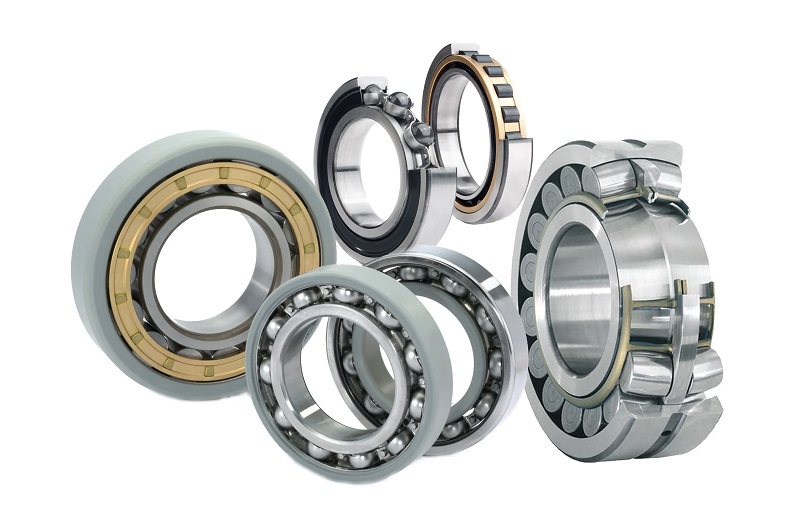
Designed to empower rotational or linear movement in a gadget, bearings are machine elements that are utilized to diminish friction between moving parts and to upgrade the speed and proficiency of a framework. Simultaneously, bearings are utilized to help different pieces of a machine by dealing with different measures of pressure. At the point when two metal parts come in touch inside a machine, a lot of friction is delivered, and this can prompt the mileage of the material in time. Bearings diminish friction and work with movement by having two surfaces that turn over one another. One of the best types of bearings that you can use is the ceramic ball bearings, which is one kind of bearing made up of ceramic elements.  Relying upon the design of the bearing, these surfaces might fluctuate, yet overall bearings are made of two rings or plates with raceways, rolling elements like rollers or balls that roll against the inward and external metal surfaces, and an enclosure which keeps the rollers separated and directs them.

Types of Bearings and Plain Bearings –

Looking like wheels, bearings have two critical functions inside a framework: they empower the exchange of motion by permitting parts to go comparative with each other, and they send forces by sliding or rolling. The heap followed up on a bearing can be outspread or pushed load, contingent upon the bearing development. Bearings can be grouped in view of various rules, like design and working mode, permitted motion or direction of burden. According to a design viewpoint, bearings can be grouped into: Plain bearings are additionally alluded to as brambles, bushings or sleeve bearings, these are the easiest kind of bearings. With a round and hollow shape and no moving parts, they are typically utilized in machines with a rotating or sliding shaft part. Plain bearings can be made of metal or plastic and can utilize an ointment like oil or graphite for decreasing the friction between the shaft and the opening it rotates in. Regularly, they are utilized for sliding, rotation, swaying or responding motion.

Intricate Designs of the Bearings –

Rolling-component bearings have a more intricate design and are utilized for supporting higher burdens. They comprise of rolling elements, for example, balls or chambers which are put between a turning and a fixed race. The general motion of the races causes the movement of the rolling elements, with little friction and minimal sliding. Contingent upon the state of the rolling elements, these bearings can be additionally grouped into ball bearings and roller bearings, with different sub-types: barrel shaped roller bearings, round roller bearings, tightened roller bearings, needle roller bearings and stuff bearings. Fluid bearings contain a layer of fluid between the bearing surfaces. The fluid can be either a compressed fluid or a gas, and is conveyed in a thin layer which moves quickly between the inward and outer races. Since the bearing surfaces have no immediate contact, there is no sliding friction in this sort of bearings, consequently the general friction and wear of these parts is a lot of lower than in rolling-component bearings.

Magnetic Bearings –

These bearings utilize magnetic levitation for supporting the heaps, and that implies there is no surface contact within the bearing. By dispensing with friction and the wear of materials, magnetic bearings have a significantly longer life and can uphold the most elevated rates of a wide range of bearings. These parts are in many cases liked in modern applications like oil refinement, gaseous petrol taking care of or electrical power age, yet in addition in optical frameworks with high rotational paces and in vacuum applications.

Introduction –  

The expression “internet specialist co-op (ISP)” alludes to an organization that gives admittance to the internet to both individual and business clients. ISPs make it feasible for their clients to ride the web, shop on the web, lead business, and interface with loved ones — for a charge. ISPs may likewise offer different types of assistance, including email administrations, space enrolment, web facilitating, and program bundles. An ISP may likewise be alluded to as a data specialist co-op, a capacity specialist organization, an internet network specialist co-op (INSP), or any blend of these three in view of the administrations presented by the organization. One of the most cost-friendly internet providers that you will get are the popular utah county internet providers. An internet specialist co-op (ISP) is an organization that gives web admittance to businesses and customers. ISPs may likewise offer different types of assistance, for example, email administrations, space enlistment, web facilitating, and program administrators.

Purpose of an ISP –

An ISP is viewed as a data specialist co-op, capacity specialist co-op, internet network specialist co-op (INSP), or a blend of every one of them. Internet use has developed from just those with college or government accounts approaching almost everybody, whether it’s paid or free. Access has gone from dial-up associations with high-speed broadband innovation. Internet administration was initially restricted to government offices and explicit college divisions. The innovation was created to give admittance to the overall population through the Internet in the last part of the 1980s. At first, customers had the option to acquire restricted admittance through a couple of ISPs — America on the web (AOL) being one of the most perceived names at that point — that pre-owned dial-up associations utilizing a telephone line.

Expansion of the Internet –

The quantity of ISPs expanded to a few thousand during the mid-1990s, and the blast was on. As the choices for network sped up got away from slower dial-up associations, the internet economy was conceived. Providers grew further developed innovation, permitting clients high-speed access by means of broadband innovation through link and advanced supporter line (DSL) modems. Behind this was all a diverse trap of associations. Nearby ISPs offered admittance to clients yet paid bigger ISPs for their own entrance. These bigger ISPs, thus, paid significantly bigger ISPs for access. The path prompts Level 1 transporters that can arrive at each organization passage without paying for access. These Level 1 organizations own the foundation in their locale.

Program Bundles –

Internet specialist organizations give their clients admittance to the internet — plain access providers simply handle the traffic between the individual and the internet overall. Yet, there may likewise be different administrations packaged in relying upon the client’s area and accessibility. A portion of these administrations include: Email administrations, Web facilitating administrations, Space enrolment. As of April 2021, roughly 93% of American grown-ups utilize the internet and 77% of American grown-ups have broadband internet administration at home.  Customers and businesses are familiar with the possibility that they ought to have the option to interface with the internet from anyplace — whether at home or while sitting in a nearby café. To convey availability at high speed, organizations need to put resources into costly foundation that incorporates fibre optic links.

Conclusion –

In light of the high expense of speculation, Level 1 ISPs frequently seem like a syndication in their districts. A particular organization might seem to have close aggregate or all out control of the market in a specific region. In the US, organizations might seem to work in an oligopoly as opposed to a syndication, where at least two organizations cooperate to accomplish market returns. This thought is supported by the way that a portion of the significant American ISPs arrived utilizing foundation that they acquired from the first telecom syndication.