Key Takeaways:
- An efficient thermostat is crucial for maintaining a comfortable environment while minimizing energy consumption and reducing utility costs.
- Thermostats play a role in energy efficiency by accurately sensing and maintaining the desired temperature.
- Totaline thermostats offer features like programmable scheduling and zone control to maximize comfort and minimize energy consumption.
- Upgrading to a Totaline thermostat can lead to substantial cost savings over time.
- Totaline thermostats have intuitive interfaces, smart technology integration, and energy usage monitoring for optimal savings.
- Installing and setting up a Totaline thermostat is a straightforward process.
- Creating customized schedules and utilizing advanced features can further enhance efficiency and comfort with Totaline thermostats.
- Regular maintenance and troubleshooting are important for the longevity and optimal performance of Totaline thermostats.
Understanding the Importance of an Efficient Thermostat
An efficient thermostat is a crucial component of any home or office’s heating and cooling system. It plays a significant role in maintaining a comfortable environment while also minimizing energy consumption and reducing utility costs. By understanding the importance of an efficient thermostat, you can make informed decisions that benefit both your comfort and your wallet.
1.1 The Role of a Thermostat in Energy Efficiency
A thermostat acts as the control center for your HVAC system, allowing you to adjust the temperature in your space. An efficient thermostat can help you achieve optimal energy efficiency by accurately sensing and maintaining the desired temperature.
Modern thermostats, such as Totaline thermostats, utilize advanced sensors and algorithms to ensure accurate temperature readings. This precision allows the thermostat to regulate heating and cooling, preventing unnecessary energy usage efficiently.
1.2 Maximizing Comfort While Minimizing Energy Consumption
Efficient thermostats, like Totaline thermostats, allow you to strike the perfect balance between comfort and energy consumption. With features such as programmable scheduling and zone control, you can customize your heating and cooling settings to match your lifestyle and daily routines.
For example, Totaline thermostats offer the option to create personalized schedules, which automatically adjust the temperature based on different times of the day. This feature eliminates the need to manually adjust the thermostat and ensures that energy is not wasted when you’re away from home or sleeping.
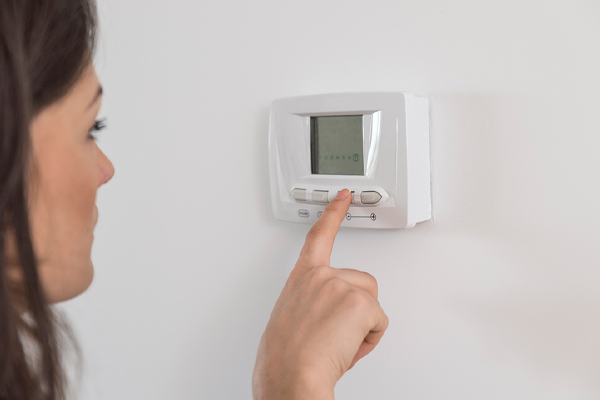
1.3 The Cost-Saving Benefits of Upgrading to a Totaline Thermostat
Upgrading to a Totaline thermostat can lead to substantial cost savings over time. These thermostats are designed to optimize energy usage and reduce utility bills.
In addition to energy-saving features like programmable scheduling and adaptive learning, Totaline thermostats provide energy usage monitoring and analysis. This enables you to monitor your trends of energy use and pinpoint places where you may increase the efficiency of your
HVAC system.
Purchasing a Totaline thermostat not only lowers your carbon footprint and increases comfort and convenience, but it also helps the environment.
Exploring the Key Features of Totaline Thermostats
Totaline thermostats are renowned for their innovative features and user-friendly interface. Let’s delve deeper into some of the key features that set Totaline thermostats apart from the competition.
2.1 Intuitive Interface for Easy Programming
One of the standout features of Totaline thermostats is their intuitive interface, which makes programming and customization a breeze. The user-friendly display and navigation system allow you to easily set the desired temperature, create schedules, and make adjustments as needed.
Whether you’re a tech-savvy individual or a novice user, Totaline thermostats provide a seamless programming experience. With clear prompts and responsive touch screens, you can effortlessly tailor your heating and cooling settings to your preferences.
2.2 Smart Technology Integration for Seamless Control
Totaline thermostats are designed to seamlessly integrate with smart home technology, offering enhanced control and convenience. It is compatible with popular platforms such as Google Assistant and Amazon Alexa, so you can use voice commands to access various thermostat functions or to change the temperature.
Additionally, Totaline thermostats can be connected to your smartphone or tablet via dedicated apps. This allows you to monitor and control your HVAC system remotely, providing flexibility and convenience, especially when you’re away from home or office.
2.3 Energy Usage Monitoring and Analysis for Optimal Savings
The capacity of Totaline thermostats to track and evaluate energy consumption and offer insightful data for efficiency optimization is one of their best features.
You may minimize waste and increase savings by monitoring the energy usage patterns of your HVAC system and making well-informed decisions.
Armed with this information, you can identify patterns and take steps to adjust your thermostat settings or make energy-efficient upgrades to your HVAC system.
Step-by-Step Installation and Setup Guide
Installing and setting up your Totaline thermostat is a straightforward process, even for those with limited DIY experience. To guarantee a good installation, adhere to these detailed instructions:
3.1 Getting Started: Preparing the Installation Area
Prior to installation, gather the necessary tools, including a screwdriver and wire stripper. Ensure that the power to your HVAC system is turned off before proceeding.
Next, remove your old thermostat from the wall, taking note of the wiring connections. Clean the wall surface and ensure it is free from dust and debris.
3.2 Wiring and Connecting Your Totaline Thermostat
Refer to the user manual provided with your Totaline thermostat for detailed wiring instructions specific to your model. Generally, you will need to connect the corresponding wires from your HVAC system to the terminals on the Totaline thermostat.
Secure the thermostat to the wall using the provided mounting screws or adhesive strips. Once securely attached, restore power to your HVAC system.
3.3 Configuring and Personalizing Your Thermostat Settings
Once your Totaline thermostat is installed, turn on the power and follow the on-screen prompts to set up your preferred settings. This includes setting the date and time, choosing between Fahrenheit or Celsius temperature readings, and configuring your preferred heating and cooling modes.
Take the time to explore the various customization options available, such as scheduling and energy-saving features. By personalizing your thermostat settings, you can maximize both comfort and energy efficiency.
Tips and Tricks to Maximize Efficiency with Totaline Thermostats
While Totaline thermostats are designed to optimize efficiency, there are additional tips and tricks you can implement to further enhance their performance. Consider the following strategies to get the most out of your Totaline thermostat:
4.1 Creating Customized Schedules for Energy Savings
Take advantage of Totaline thermostats’ scheduling features by creating customized schedules that align with your routine. Your HVAC system can function well when needed and save energy during periods of low activity by adjusting temperature settings for different times of the day.
For example, if you’re away from home during certain hours, program the thermostat to reduce the temperature during those times to minimize energy consumption. This way, you can come home to a comfortable environment without wasting energy unnecessarily.
4.2 Utilizing Advanced Features for Enhanced Comfort
Totaline thermostats offer advanced features that can further enhance your comfort and convenience. For instance, some models include humidity control, allowing you to maintain an optimal humidity level for improved air quality and comfort.
Other features, such as geofencing, utilize your smartphone’s location to automatically adjust the temperature when you’re approaching home or leaving. This ensures that your space is comfortable upon arrival while conserving energy when you’re away.
4.3 Troubleshooting and Maintenance Tips for Longevity
To ensure the longevity and optimal performance of your Totaline thermostat, it’s essential to perform regular maintenance and troubleshoot any issues that arise. Here are a few tips to keep in mind:
- Regularly clean the thermostat display and buttons using a soft, dry cloth to prevent dust buildup.
- Check and replace the thermostat batteries periodically to ensure uninterrupted operation.
- If you encounter any issues with your thermostat’s performance, consult the user manual or contact Totaline’s customer support for assistance.
By following these maintenance tips and promptly addressing any issues, you can ensure that your Totaline thermostat continues to operate efficiently and reliably.
In conclusion, Totaline thermostats offer a range of features and benefits that can significantly improve both your comfort and energy efficiency. You may upgrade and install a Totaline thermostat in your house or place of business with confidence if you comprehend the significance of an effective thermostat and investigate its main characteristics.
To get the most out of your Totaline thermostat and extend its lifespan, carefully follow the installation instructions and make use of the helpful hints and strategies offered. With Totaline thermostats, you can unlock the power of efficiency while enjoying a comfortable and environmentally friendly space.