
Author

Frau Hanna Sommer

Browsing

Mattresses are massive, unwieldy, and notoriously difficult to dispose of responsibly. Yet, across North America, an unprecedented wave of innovation is transforming them from landfill burdens into sources of recoverable materials. With millions of mattresses reaching the end of their lifecycle each year, the region is finally seeing real momentum toward sustainable solutions.

Mattress Recycling Landscape in North America

Current Recycling Rates and Challenges

The sheer scale of mattress disposal is staggering. In Canada and the United States combined, tens of millions of mattresses are discarded annually. Despite their recyclable components, wood, metal, textiles, and foam, most have historically ended up in landfills due to bulky handling, contamination, and the absence of cost-effective recycling processes. Even today, the North American mattress recycling rate remains under 20 percent, dwarfed by the mountain of discarded units each year.

Regional Variations: Quebec and Ontario vs. Other Provinces and States

Some regions, however, are quietly outperforming. Between Quebec and Ontario, more than 400,000 mattresses are recycled each year, reflecting targeted programs and advanced infrastructure. In contrast, much of the rest of Canada and the U.S. lags behind, with patchwork services and lower public awareness. This imbalance reveals how local policies, funding, and partnerships can tip the scales toward greener outcomes.

| Region | Estimated Mattresses Recycled (2023) | Recycling Rate |

|————————-|————————————–|——————|

| Quebec & Ontario | 400,000+ | ~40% |

| Rest of Canada | <100,000 | ~10% |

| United States (average) | ~1,500,000 | <20% |

| France | 1,000,000+ | ~50% |

Innovations in Mattress Recycling Technologies

Mechanical Separation vs. Chemical Recycling Methods

Traditional mattress recycling relies on manual or semi-automated dismantling, workers or machines break down mattresses, sorting materials for further processing. Mechanical separation remains the bedrock, but emerging chemical recycling methods are now being piloted to handle complex foam and textile blends, potentially unlocking even more recovery from each unit.

Advances in Automated Dismantling and Sorting

Automation is accelerating the pace and scale of mattress recycling. New robotic arms and conveyor-based systems can safely deconstruct mattresses, separate springs, shred foam, and divert textiles with minimal human intervention. These advances promise lower labor costs, higher throughput, and reduced exposure to contaminants for workers.

Case Study: Recyc-Matelas’ Revolutionary Process

A standout example comes from Recyc-Matelas, a Canadian leader in the field. Their process combines proprietary equipment with streamlined logistics, allowing them to efficiently recycle hundreds of thousands of units annually. Anyone seeking details on their approach or interested in mattress disposal can explore Recyc-Matelas mattress removal. Their success demonstrates how commitment to both technology and education can drive real-world recycling rates.

Policy and Regulatory Frameworks Impacting Recycling Rates

Comparison of Canadian and U.S. Mattress Recycling Policies

Policy plays a pivotal role in recycling outcomes. Canadian provinces like Quebec and Ontario have adopted landfill bans and financial incentives, supporting dedicated recycling facilities. In the U.S., only a handful of states, California, Connecticut, Rhode Island, have mandated producer responsibility laws for mattresses, leading to significant disparities nationwide.

Incentives and Mandates Driving Industry Participation

Where governments mandate recycling or offer financial incentives, industry participation climbs. Rebates for recycled units, landfill surcharges, and grants for new infrastructure all make a critical difference. Without these levers, recycling remains economically challenging for businesses.

Lessons from European Models: France’s High Recycling Rates

Europe, particularly France, offers a blueprint for success. France recycles over one million mattresses annually and boasts rates around 50 percent, thanks to strict producer responsibility laws and nationwide collection networks. North America is watching closely as it crafts its own next steps.

Industry Collaboration and Circular Economy Initiatives

Manufacturer and Retailer Involvement in Take-Back Programs

Brands are increasingly stepping up. Several mattress manufacturers and major retailers now fund or operate take-back programs, ensuring their products can be returned and recycled, often at point of purchase. These programs not only divert waste but foster circularity within the industry.

Partnerships Between Municipalities and Recycling Firms

Local governments are joining forces with recycling businesses, providing drop-off locations, curbside pickup, and public events to gather used mattresses. These partnerships have proven essential in regions where public infrastructure is limited.

Impact of Extended Producer Responsibility (EPR) Programs

Extended Producer Responsibility (EPR) programs shift disposal costs from taxpayers to manufacturers, creating a powerful incentive to design for recyclability and invest in collection. Wherever EPR is enforced, recycling rates climb.

Consumer Awareness and Behavioral Drivers

Education Campaigns and Their Effectiveness

Recycling can only work if people know it exists. Public awareness campaigns, whether through social media, local events, or retailer partnerships, have significantly boosted participation in targeted regions. Yet, many consumers remain unaware of available options.

Barriers to Mattress Recycling from a Consumer Perspective

Obstacles persist: high pickup fees, inconvenient drop-off sites, and lack of information deter participation. Reducing these barriers is key to scaling efforts.

Environmental and Economic Impacts of Enhanced Recycling

Reduction in Landfill Waste and Resource Recovery

Every recycled mattress means less landfill waste and fewer virgin materials extracted. Steel springs are melted down, foams find new life in carpet underlay, and textiles can be repurposed, reducing greenhouse gas emissions and saving energy.

Job Creation and Market Development for Recycled Materials

Recycling drives local job creation, from logistics and dismantling to material processing. As demand for recycled content grows, new markets for recovered materials continue to emerge.

Future Trends and Opportunities

Emerging Technologies on the Horizon

AI-driven sorting, advanced chemical recycling, and scalable robotics are poised to further boost efficiency and recovery rates in the near future.

Potential for Cross-Border Cooperation and Standardization

Harmonizing policies across provinces, states, and countries could streamline logistics, reduce costs, and make mattress recycling more accessible to all.

Scaling Up: Addressing Capacity Constraints and Infrastructure Needs

With innovation and collaboration, North America has the potential to match or exceed European mattress recycling rates. Expanding capacity, modernizing facilities, and closing knowledge gaps will be essential in reaching that goal.

The days of seeing mattresses abandoned curbside or buried beneath tons of trash may be numbered, thanks to a new generation of recycling solutions and the collective will to transform waste into resources.


Anxiety can feel different when life is packed with work demands, school pressure, family needs, and city stress. Some people deal with panic before meetings, while others avoid social plans or lose sleep for weeks. A personal plan can help connect those patterns to daily life. This guide looks at how focused support can help people in Denver manage anxiety with clearer steps.

Anxiety support often starts with a calm review of symptoms, habits, and stress points. An anxiety treatment in Denver may look at sleep, panic, work strain, mood, focus, and health history. This first step helps show what anxiety looks like for that person. It also helps separate short-term stress from a longer pattern.

Focus on Real Triggers

Personalized care looks closely at the situations that set anxiety off. For one person, it may be traffic, crowded events, or social pressure. For another, it may be health fears, deadlines, or money stress. The goal is to find patterns without blame.

Anxiety can show up during work commutes, busy downtown plans, school exams, or major life changes in Denver. A personal plan may include therapy, coping skills, medication review, or lifestyle support. The right mix depends on symptoms and comfort level. Small changes can help the day feel more manageable.

Practical Steps for Daily Stress

A focused plan may include short breathing tools, thought checks, sleep goals, or gradual exposure to feared places. These steps work best when they match real routines. A provider can adjust the plan if symptoms shift. That keeps support useful instead of vague.

Use Tools That Fit the Person

A mental health assessment in Denver can help sort which tools may fit best. Some people need help with panic attacks, while others need support for constant worry or social fear. A student, parent, worker, or caregiver may each need a different plan. Personal details help guide the next step.

Helpful tools may include:

  • Therapy sessions
  • Symptom forms
  • Medication review
  • Sleep support
  • Stress skills
  • Follow-up visits

Build Trust During Each Visit

Trust matters when anxiety feels hard to explain. A person in Denver should feel able to talk about fear, avoidance, panic, or past trauma without shame. Honest talks help the provider see the full picture. Clear questions also make the visit feel less tense.

Some topics may feel personal at first. The provider may ask about family history, substance use, medical issues, or past treatment. These questions help connect anxiety with health and life events. A respectful pace can make the process easier.

Track Progress in a Local Routine

Progress with anxiety may come in small steps. A person may track fewer panic episodes, better sleep, or more ease in social places in Denver. Notes about symptoms can show what helps and what still feels hard during anxiety treatment in Denver. This makes follow-up visits more useful.

A personal plan can change as life changes. New work stress, school demands, or health concerns may affect anxiety levels. Regular check-ins help keep support current. That steady review helps the plan stay connected to real life.

Personalized care can help reduce anxiety by looking at symptoms, triggers, habits, and daily stress together. This can be especially helpful for people balancing work, school, family roles, social pressure, or major life changes in Denver. A thoughtful plan may include assessment, therapy, medication review, skills, and follow-up.

Understanding Speeding and Moving Violations in Oakland

Speeding and moving violations in Oakland are among the most common traffic citations in California. These include driving over the posted speed limit, unsafe lane changes, failure to yield, rolling stops, and other infractions under the California Vehicle Code.

Although they may seem minor, these violations can still lead to DMV points, higher insurance rates, and potential license consequences if multiple offenses accumulate. Because of this, many drivers look for an attorney for speeding and moving violations to help protect their driving record and challenge the ticket in court.

Why Speeding and Moving Violations Matter

Even a single traffic citation can have long-term consequences. In California, most moving violations add points to your driving record, and too many points in a short period can lead to suspension.

Common consequences include:

  • DMV points added to your license
  • Increased insurance premiums
  • Possible traffic school restrictions
  • License suspension for repeat violations

A Bay Area criminal defense lawyer who handles traffic matters can often help reduce or avoid these penalties depending on the circumstances of the case.

How an Attorney for Speeding and Moving Violations Helps

A qualified traffic defense attorney does more than simply appear in court. Their job is to analyze whether the citation was properly issued and whether the evidence supports the officer’s claim.

Key services include:

  • Reviewing the traffic stop for legal errors
  • Examining radar, lidar, or pacing methods used for speed measurement
  • Identifying procedural mistakes in the citation
  • Challenging officer testimony in court
  • Negotiating reduced charges or dismissals
  • Representing clients at traffic hearings

In many cases, small technical or procedural issues can significantly weaken the prosecution’s case.

Common Defenses for Speeding Tickets

There are several legal defenses that may apply depending on the situation. A strong defense often focuses on whether the officer’s observation or equipment was accurate.

Common defense strategies include:

  • Questioning radar or speed detection accuracy
  • Challenging officer visibility or line of sight
  • Arguing unclear or missing speed limit signage
  • Demonstrating improper calibration of equipment
  • Showing mistaken identity of the vehicle
  • Highlighting unsafe or unusual road conditions

An experienced Bay Area criminal defense lawyer can evaluate which defenses are most effective based on the facts of the case.

Understanding Moving Violations in California

Moving violations involve any traffic offense committed while the vehicle is in motion. These are more serious than non-moving violations because they directly affect driving safety records.

Common moving violations include:

  • Speeding (CVC 22350, 22349)
  • Running red lights or stop signs
  • Unsafe lane changes
  • Failure to yield
  • Reckless driving allegations
  • Improper turns or merging

Each violation carries different point values and penalties depending on severity.

The Traffic Court Process in Oakland

Traffic tickets in Oakland are handled through Alameda County traffic court. The process typically involves several steps:

  • Arraignment (entering a plea)
  • Pre-trial review or negotiation
  • Trial (court or written declaration)
  • Judge’s decision

At trial, the officer who issued the ticket usually appears and testifies. The driver (or their attorney) can challenge the evidence and present their defense.

Evidence Used in Traffic Ticket Defense

Building a strong case often depends on collecting evidence that contradicts or questions the officer’s report.

Useful evidence may include:

  • Dashcam or video footage
  • Photos of road conditions or signage
  • GPS or vehicle tracking data
  • Witness statements
  • Maintenance or calibration records for radar devices

This evidence can create reasonable doubt or support a reduction in charges.

Options After Receiving a Ticket

When dealing with speeding or moving violations, drivers typically have three options:

  • Pay the ticket and accept the points
  • Attend traffic school (if eligible)
  • Contest the citation in court

Choosing to contest the ticket gives drivers the opportunity to fight the allegation and potentially avoid long-term consequences.

When a Lawyer Becomes Especially Useful

While some minor tickets can be handled alone, legal representation is especially helpful in more serious situations such as:

  • High-speed violations
  • Multiple tickets in a short period
  • Commercial driver’s license (CDL) cases
  • Accidents involving alleged violations
  • Repeat moving violations

In these situations, an attorney for speeding and moving violations can improve the chances of reducing penalties or avoiding points entirely.

Strategy for Reducing or Dismissing Tickets

Successful traffic defense often depends on finding weaknesses in the prosecution’s evidence or procedure.

Effective strategies include:

  • Challenging the accuracy of speed measurement devices
  • Exposing inconsistencies in officer testimony
  • Demonstrating unclear or missing signage
  • Identifying procedural or legal errors in the citation

A skilled Bay Area criminal defense lawyer can evaluate all available options and determine the strongest path forward based on Oakland court procedures.

Final Approach to Fighting Traffic Violations

Every speeding or moving violation case is different, but the goal is always the same: protect the driver’s record and minimize penalties. With the right legal strategy, some tickets may be reduced, dismissed, or resolved without points.

Understanding your rights and options is the first step toward building an effective defense against traffic citations in Oakland.

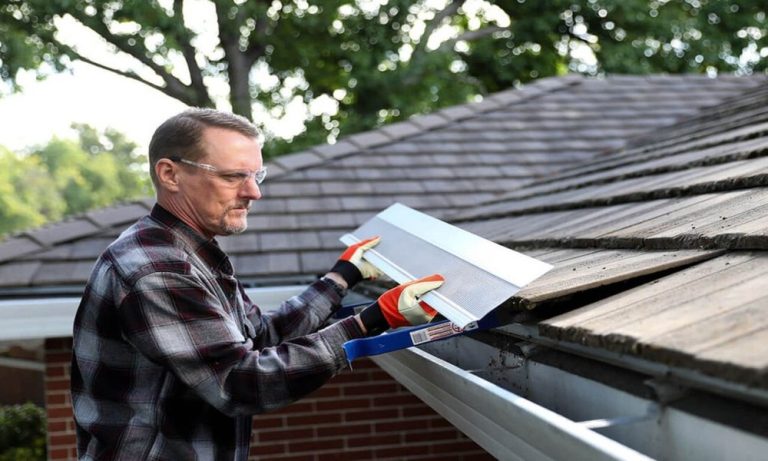
Old gutters can create costly problems long before they fall apart or pull away from the roofline. Water that spills over the sides can damage fascia, siding, soil, walkways, and areas near the foundation. In Sacramento, seasonal rain and dry weather shifts make dependable drainage an important part of home care.

A gutter upgrade can help protect the home while reducing repair costs over time. Installing new gutters for you Sacramento home can improve water flow, protect exterior surfaces, and reduce maintenance concerns. Read on and explore how a better gutter system can support long-term savings and daily peace of mind.

Protect the Roof and Fascia

Damaged gutters can trap water near the roof edge and place stress on the fascia boards. Over time, moisture can weaken wood, loosen fasteners, and create sections that need repair. A stronger gutter system helps move rain away before it can harm the roofline materials.

New gutters can also reduce the chance of water backing up under shingles during heavy rain. That added protection may help prevent leaks near eaves, attic edges, and exterior walls. Fewer roofline problems can mean fewer repair bills and less stress after major storms.

Reduce Foundation and Soil Problems

Water that falls too close to the home can affect the soil near the foundation. When soil expands, shifts, or washes away, the home may face cracks, uneven paths, or drainage concerns. Good gutters and downspouts guide water toward safer discharge areas around the property.

This can save money by helping prevent larger structural issues that require expensive repairs. Foundation work can be costly, and early water control is usually much easier to manage. A well-planned gutter upgrade for a home in Sacramento can support the stability of the soil near the home.

Lower Exterior Repair Costs

Overflow from weak gutters can stain siding, damage trim, and leave marks on painted surfaces. Water streaks can also affect stucco, brick, doors, and windows near the roofline. These issues may lead to extra cleaning, paint work, or material repairs.

Choosing new gutters for you Sacramento home can help preserve the exterior and reduce repeat service needs. A properly sized system can handle water better and keep runoff away from vulnerable areas. This helps the home stay cleaner and may extend the life of exterior finishes.

Cut Down on Maintenance Time

Older gutters may clog, leak, sag, or pull loose because they no longer fit the home well. Constant repairs can cost money and take time away from other priorities. A new system can reduce patchwork and make seasonal upkeep easier for homeowners.

Modern gutter options may include seamless sections, stronger hangers, and better downspout placement. These features can limit weak points and help the system perform with fewer problems. Less time spent on repeat fixes can create real value across several rainy seasons in Sacramento.

Improve Home Value and Curb Appeal

Gutters may seem like a small detail, but they affect how the home looks and performs. Bent, stained, or loose sections can make the exterior appear neglected to visitors and buyers. Clean new gutters can give the roofline a sharper and more cared-for appearance.

Buyers also notice practical updates that help protect a property from future repair costs. A home with reliable drainage may feel better maintained and easier to own. Upgrading to new gutters for you Sacramento home can support curb appeal while adding a useful protective feature.

New gutters can help homeowners in Sacramento save money by reducing water damage, roofline repairs, foundation concerns, and exterior wear. A quality system can also lower maintenance demands and improve the way the home looks from the street. With the right installation, gutters can protect the property and support long-term value through every rainy season. Good drainage can also help homeowners avoid small water issues before they turn into major expenses.