Category

Law

Category

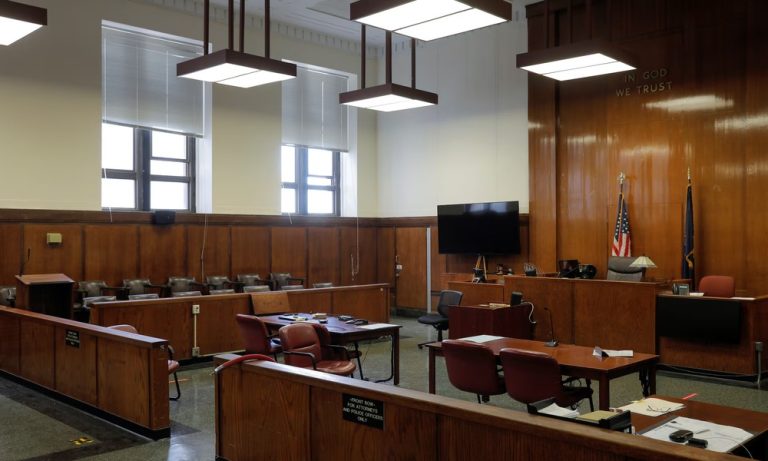
People who work in the federal courts occupy a distinctive and often misunderstood position in the federal employment landscape. Clerks of Court staff, law clerks, courtroom deputies, court reporters, probation officers, pretrial services officers, financial and human resources staff, and information technology personnel at the Southern District of New York and the Eastern District of New York are federal employees – but they are not executive branch employees, and the legal framework that governs employment disputes for most of the federal workforce does not automatically apply to them. For any New York Federal employee attorney approached by someone who works at the SDNY or EDNY and is facing a discrimination complaint, a harassment situation, or an adverse personnel action, the first analytical task is determining which dispute resolution system actually governs – because it is categorically different from the MSPB, the EEOC federal sector complaint process, and the other mechanisms that cover the vast majority of federal civilian employment.

The federal judiciary’s approach to employment disputes reflects the constitutional separation of powers and the judiciary’s institutional independence in ways that create both structural protections and genuine accountability gaps that court employees need to understand clearly.

The Judicial Branch Is Not the Executive Branch: Why This Changes Everything

The Merit Systems Protection Board exists to provide independent review of adverse personnel actions against executive branch employees. The EEOC’s federal sector complaint process exists to enforce anti-discrimination law within executive branch agencies. The Office of Special Counsel handles whistleblower complaints involving executive branch agencies. None of these bodies have jurisdiction over employees of the federal courts.

Article III federal judges – including the district judges, magistrate judges, and bankruptcy judges who preside in SDNY and EDNY – hold life-tenured positions under Article III of the Constitution, and the courts themselves operate as a separate constitutional branch. That constitutional structure means the judicial branch established its own employment dispute resolution framework rather than submitting to executive branch oversight mechanisms.

The primary framework is the Judicial Branch Fair Employment Practices System, adopted by the federal judiciary and administered through the processes established by the Judicial Conference of the United States. Under this system, court employees who experience discrimination, harassment, or other workplace violations have access to an internal dispute resolution process that operates within the judicial branch – not through the EEOC or the MSPB.

This internal system has undergone significant development in recent years, particularly following high-profile revelations about judicial misconduct and workplace harassment in federal courts that emerged beginning around 2017. The Judiciary Accountability Act of 2022 introduced reforms intended to strengthen protections for court employees, including law clerks and other staff who had historically had the most limited recourse.

The Employment Dispute Resolution Plan: How Judicial Branch Complaints Work

The Judicial Branch’s EDR Plan – each circuit and each court implements the framework set out by the Judicial Conference – provides a multi-step internal process for resolving workplace complaints. For SDNY and EDNY employees, the relevant procedures are those of the Second Circuit and the individual courts.

The EDR process typically begins with informal counseling, followed by formal mediation, and then an adjudicatory hearing if the matter isn’t resolved earlier. The hearing is conducted within the court system, not before an independent federal agency or board. Remedies available include back pay, compensatory damages, reinstatement, and injunctive relief.

The EDR Plan explicitly covers discrimination and harassment based on race, color, sex, national origin, religion, disability, age, and other protected characteristics. Following the 2022 reforms, protections for law clerks and other court staff were explicitly expanded, and the ability to make confidential reports was strengthened. The Judiciary’s commitment to investigating complaints made through the EDR process now includes defined timelines and procedural safeguards that were less formalized before the reforms.

One critical limitation of the EDR system that court employees need to understand: the internal nature of the process means that complaints are resolved within the institution against which they are being brought. There is no external review body with independent authority to assess whether the process was conducted fairly or whether the outcome was correct, at least not through the standard executive branch channels. Federal courts are not subject to EEOC enforcement actions or MSPB review.

The Title VII Exception: When Federal Courts Are Covered by External Enforcement

One significant development in federal court employee rights is the extension of Title VII’s coverage to federal court employees for certain purposes. Prior to legislative amendments, the judiciary’s exemption from standard Title VII enforcement created a genuine coverage gap. Those gaps have been narrowed, though not entirely eliminated.

Federal court employees can now file Title VII claims against the employing court – ultimately the United States as the employer – in federal district court in certain circumstances, following exhaustion of the EDR process. The precise scope of these Title VII rights for judicial employees, and the procedural pathway for pursuing them, requires careful analysis because the case law and the applicable procedures are still developing.

The Judiciary Accountability Act’s reforms and prior enactments created specific mechanisms for certain court employees – including law clerks – to pursue external complaints when the internal EDR process has been exhausted or when the complaint involves conduct by the judge to whom the law clerk is assigned. The ability to report to the inspectors general structure within the judicial branch, and ultimately to bring certain claims before an Article III court, has expanded since 2017 even if it remains more constrained than what executive branch employees can access.

Probation Officers and Pretrial Services Officers: A Different Analysis

Probation officers and pretrial services officers at SDNY and EDNY occupy a position worth distinguishing from other court staff. They are federal court employees, subject to the judicial branch’s personnel system, but their roles have characteristics that create specific employment law considerations.

Probation officers conduct presentence investigations and supervise offenders on federal supervision. Pretrial services officers supervise defendants released pending trial. Both roles involve significant interaction with individuals in the criminal justice system, require specific professional credentials, and operate under standards established by both the courts and the Administrative Office of the U.S. Courts.

Disability accommodation requests for probation and pretrial services officers can be particularly complex because of the physical and operational requirements of community supervision work. Whether specific field supervision requirements can be modified as reasonable accommodations, or whether those requirements are essential functions that cannot be accommodated without undue hardship, is a fact-specific analysis. The Rehabilitation Act’s reasonable accommodation obligation applies to these employees through the judicial branch framework, but how that obligation is administered and adjudicated is governed by the EDR system rather than the standard federal EEO process.

For probation and pretrial officers in SDNY and EDNY who face adverse personnel actions or accommodation denials, the EDR Plan’s procedures and timelines control. Importantly, these employees should be alert to the specific deadlines that the applicable EDR Plan establishes – the window for initiating a complaint under the judicial branch framework is not the same as the 45-day deadline that governs executive branch EEO complaints, and missing the applicable deadline under the court’s specific EDR procedures can be just as consequential.

Law Clerks: The Most Vulnerable Cohort

Federal law clerks occupy the most vulnerable position in the court employment system precisely because their employment relationship is uniquely personal. A law clerk is hired by and works for a specific judge, whose authority over the clerkship is essentially plenary. The power dynamic is among the most unequal in any professional employment relationship, and the career stakes – a federal clerkship is a career-defining credential – make the cost of raising concerns unusually high.

The 2017 revelations about judicial misconduct, the letter signed by hundreds of law clerks and attorneys about the inadequacy of reporting mechanisms, and the subsequent legislative and Judicial Conference responses all reflect the degree to which the existing system had failed this population. The reforms that followed – including stronger confidentiality protections, the ability to report to circuit executives without going through the employing judge, and expanded access to outside counsel – represent genuine improvements over what existed before, even if the system remains more constrained than what executive branch employees have.

Law clerks in New York – at SDNY, EDNY, and the Second Circuit Court of Appeals itself – who experience harassment, discrimination, or retaliation for raising concerns are not without legal options, but those options run through mechanisms that require specific knowledge of the post-2017 and post-2022 reforms and how they interact with the Second Circuit’s specific implementation of the EDR framework.

Consulting a New York Federal Employee Attorney About Judicial Branch Employment

The Judicial Branch Employment Dispute Resolution system, the post-2022 reforms, the limited Title VII external enforcement pathway, and the specific considerations for probation officers, pretrial services staff, and law clerks all require legal counsel familiar with the judicial branch’s personnel framework – which is distinct from executive branch federal employment law in ways that make standard federal employment law experience insufficient on its own.

The Mundaca Law Firm represents federal employees throughout New York, including employees of the federal courts at SDNY, EDNY, and other New York-area judicial units who are navigating workplace discrimination, harassment, or personnel disputes through the judicial branch framework. Contact the firm to schedule a consultation and understand which procedures apply to your specific situation.

For workers in San Diego, understanding overtime pay rights is crucial to ensure fair compensation for the hours worked beyond the standard 40-hour workweek. If you’re unsure whether you’re being paid fairly or if you believe you haven’t been compensated for overtime work, consulting a skilled overtime lawyer in San Diego can be an essential first step. This article will explain overtime pay laws, how to know if you’re eligible, and the steps to take if your employer isn’t paying you correctly.

What is Overtime Pay?

Overtime pay is the additional compensation that workers are entitled to receive for hours worked over 40 hours in a workweek. According to the Fair Labor Standards Act (FLSA), most workers are entitled to receive 1.5 times their regular rate of pay for every hour worked beyond 40 hours. However, there are exceptions, and not all employees are covered by this rule.

In California, state labor laws provide additional protections. California’s overtime laws are more generous than the federal standard, requiring employers to pay overtime in the following scenarios:

  • Over 8 hours in a single workday: If an employee works more than 8 hours in a day, they are entitled to overtime for those extra hours.

  • Over 40 hours in a workweek: As with federal law, if an employee works more than 40 hours in a workweek, overtime pay is required.

  • Over 12 hours in a single workday: If an employee works more than 12 hours in a single day, they are entitled to double time, which is twice their regular hourly rate.

These protections are intended to ensure that employees are fairly compensated for extra hours worked, providing an important safeguard against overwork.

Who is Eligible for Overtime?

While many workers are eligible for overtime, some are exempt from these rules under specific circumstances. Employees who are considered exempt are not entitled to overtime pay, regardless of how many hours they work.

Exempt Employees

Exempt employees typically include those who work in executive, administrative, or professional roles. These individuals usually earn a salary rather than an hourly wage and meet certain criteria set by the U.S. Department of Labor and the California Labor Code.

For example, an employee who is classified as a manager and whose primary duty involves overseeing other employees may be exempt from overtime laws. Similarly, highly skilled professionals, such as doctors, lawyers, and certain computer professionals, may also be exempt if they meet specific criteria related to their job responsibilities and salary.

However, it’s important to note that many workers who are incorrectly classified as exempt could still be entitled to overtime pay. A skilled overtime lawyer in San Diego can help determine whether your classification is accurate and whether you’re being denied overtime pay unfairly.

Non-Exempt Employees

Non-exempt employees, on the other hand, are generally entitled to overtime pay. Most workers in hourly positions, including those in retail, hospitality, healthcare, and construction, qualify for overtime pay if they work beyond 40 hours a week or exceed the daily limits specified under California law.

How to Calculate Overtime Pay

Overtime pay is calculated based on an employee’s regular hourly rate. For example, if an employee’s regular hourly wage is $15, their overtime rate would be $22.50 per hour (1.5 times the regular rate).

If an employee works more than 12 hours in a single day, the overtime rate doubles, making the pay $30 per hour (2 times the regular rate). It’s important for workers to understand how their overtime pay is calculated to ensure they are receiving the proper compensation.

What Happens if Employers Fail to Pay Overtime?

In some cases, employers may fail to pay workers overtime for hours worked beyond the standard 40-hour workweek or 8-hour workday. This is illegal under both federal and California state law. Common reasons employers may fail to pay overtime include:

  • Misclassifying employees as exempt: Employers may incorrectly label a worker as exempt, which can result in the worker being denied overtime pay.

  • Failing to keep accurate time records: If an employer does not maintain accurate records of hours worked, it may be difficult for a worker to prove that overtime pay is owed.

  • Forcing employees to work “off the clock”: In some cases, employers may ask or pressure employees to perform work tasks before or after their scheduled shift without proper compensation.

If you suspect that your employer has not been paying you the correct amount of overtime, it is essential to keep a record of your hours worked, including any time spent working outside of your regular schedule. Consulting with a skilled overtime lawyer in San Diego can help you understand your rights and options.

What to Do If You Haven’t Been Paid Overtime

If you believe that you haven’t been paid the overtime you’re entitled to, the first step is to talk to your employer. Sometimes mistakes are made, and your employer may be willing to correct the issue once it’s brought to their attention.

If the issue cannot be resolved through direct communication, there are several options available to you:

  1. File a complaint with the California Labor Commissioner’s Office: If your employer refuses to pay overtime or ignores your complaint, you can file a formal wage claim with the state. This office investigates complaints and works to enforce California’s labor laws.

  2. Seek legal advice: In more complex cases, or when a substantial amount of overtime pay is involved, consulting a skilled overtime lawyer in San Diego may be necessary. A lawyer can help you understand your legal options and advocate for you during the claims process.

Conclusion

Understanding your rights regarding overtime pay is an essential part of ensuring you are fairly compensated for your work. While many workers are entitled to overtime pay for hours worked beyond 40 hours in a week or 8 hours in a day, there are exceptions and complexities that can make it difficult to navigate on your own.

By being aware of your rights and consulting a skilled overtime lawyer in San Diego if necessary, you can protect yourself from unfair wage practices and ensure that you are properly compensated for your time and effort.


Facing a DUI charge in Suwanee, Georgia, can be an overwhelming and frightening experience. The consequences of a conviction extend far beyond legal penalties—they can affect your employment, your finances, and your personal reputation. Understanding why you need qualified legal representation and what makes a skilled DUI lawyer in Suwanee, GA essential to your defense is crucial for anyone navigating these challenging circumstances.

Understanding DUI Charges in Georgia

Driving Under the Influence (DUI) in Georgia occurs when a person operates a vehicle while impaired by alcohol, drugs, or any substance that affects their ability to drive safely. Georgia law sets the legal blood alcohol concentration (BAC) limit at 0.08% for drivers over 21, 0.02% for drivers under 21, and 0.04% for commercial drivers.

What many people don’t realize is that you can be charged with DUI even if your BAC is below these limits if an officer determines that your driving ability is impaired. This subjective element of DUI law is one reason why experienced legal representation becomes so important.

The Serious Consequences of a DUI Conviction

Georgia imposes strict penalties for DUI convictions, and these penalties increase significantly with subsequent offenses. A first-time DUI conviction can result in up to 12 months in jail, fines up to $1,000, community service requirements, mandatory DUI education programs, and license suspension for up to one year.

Beyond these immediate legal penalties, a DUI conviction creates a permanent criminal record that can impact numerous aspects of your life. Employment opportunities may diminish, particularly in fields requiring professional licenses or commercial driving. Insurance rates typically increase substantially, sometimes doubling or tripling your premiums. Educational opportunities and housing applications can also be affected when background checks reveal a DUI conviction.

What a Skilled DUI Lawyer Brings to Your Defense

A skilled DUI lawyer in Suwanee, GA brings specialized knowledge of local courts, prosecutors, and legal procedures that can significantly impact your case outcome. These professionals understand the technical aspects of DUI enforcement, including proper protocols for traffic stops, field sobriety testing, and chemical testing procedures.

Knowledge of Legal Procedures and Rights

DUI cases involve complex constitutional issues surrounding your Fourth Amendment rights against unreasonable searches and seizures. An experienced attorney knows how to identify violations of these rights, such as unlawful traffic stops or improper administration of breathalyzer tests. If law enforcement failed to follow proper procedures, evidence against you might be suppressed or the case dismissed entirely.

Technical Understanding of DUI Science

Blood alcohol testing and field sobriety tests involve scientific principles that aren’t always straightforward. Breathalyzer machines require regular calibration and maintenance, and improper handling can produce inaccurate results. Blood tests must follow specific chain-of-custody procedures to ensure reliability. A knowledgeable attorney understands these technical requirements and can challenge evidence that fails to meet scientific standards.

Negotiation Skills and Local Court Experience

Experienced DUI attorneys often have established relationships with local prosecutors and understand the tendencies of local judges. This familiarity enables them to negotiate more effectively for reduced charges or alternative sentencing options. In Suwanee and throughout Gwinnett County, local court practices and prosecutor policies can vary, making local experience particularly valuable.

Alternative Resolutions and Plea Options

Not every DUI case goes to trial, and a skilled attorney knows when negotiation serves your best interests. Georgia law allows for various alternative resolutions depending on circumstances and criminal history. These might include plea agreements to lesser charges like reckless driving, participation in diversion programs, or negotiated sentencing arrangements that minimize jail time and focus on rehabilitation.

For first-time offenders, Georgia offers a pretrial diversion program that, upon successful completion, can result in case dismissal. However, qualifying for and navigating these programs requires legal expertise to ensure all requirements are properly met.

Building a Strong Defense Strategy

Every DUI case is unique, requiring a defense strategy tailored to specific circumstances. A thorough attorney will investigate all aspects of your case, including reviewing police reports, examining video evidence, interviewing witnesses, and consulting with expert witnesses when necessary. They’ll look for inconsistencies in the prosecution’s case and identify the strongest arguments for your defense.

Common defense strategies include challenging the legality of the traffic stop, questioning the accuracy of chemical tests, demonstrating improper field sobriety test administration, or presenting evidence of medical conditions that could have affected test results.

Protecting Your Future

The true value of hiring a skilled DUI lawyer in Suwanee, GA lies not just in handling your immediate legal problems but in protecting your long-term interests. An attorney works to minimize the lasting impact of DUI charges on your life, whether through case dismissal, charge reduction, or securing the most favorable outcome possible given the circumstances.

Conclusion

Facing DUI charges without proper legal representation puts you at a significant disadvantage in a complex legal system with severe consequences. A skilled DUI lawyer in Suwanee, GA provides the technical knowledge, procedural expertise, and strategic thinking necessary to protect your rights and pursue the best possible outcome. From understanding the scientific principles behind sobriety testing to navigating local court procedures and negotiating with prosecutors, experienced legal counsel makes a measurable difference in DUI cases. When your freedom, your record, and your future are at stake, professional legal representation isn’t just helpful—it’s essential.


Navigating the complexities of Chapter 13 bankruptcy can be challenging, but we’re here to guide you through the process. A knowledgeable bankruptcy attorney is essential in crafting a sustainable repayment plan that allows you to retain your assets while resolving outstanding debts. This plan can provide relief and a structured path to financial stability, making the role of a bankruptcy attorney critical.

Understanding the unique aspects of Chapter 13 bankruptcy is key to making informed decisions. Unlike other forms of bankruptcy, it involves reorganization rather than liquidation. This gives us the opportunity to work closely with a skilled attorney to devise a plan that’s tailored to our financial situation, ensuring that we meet our obligations in a manageable way.

Engaging the right attorney will help us feel more secure throughout the bankruptcy process. The attorney’s expertise can help anticipate and address potential challenges. Our goal is to emerge from this process with a stronger footing and improved financial health. Learn more about Chapter 13 Bankruptcy Attorney

Understanding Chapter 13 Bankruptcy

Chapter 13 bankruptcy allows individuals with regular income to reorganize debts. This includes the development of a repayment plan over three to five years, offering debt relief while helping individuals retain their assets.

Chapter 13 vs. Chapter 7 Bankruptcy

In Chapter 13, we establish a repayment plan to pay back a portion of our debts over time, whereas Chapter 7 focuses on liquidating assets to satisfy debt obligations. Chapter 13 is beneficial for people with a stable income seeking to protect their assets and manage debts. The automatic stay feature prevents creditors from pursuing collections, allowing us time to reorganize and plan our finances efficiently. Secured and unsecured debts are included in this reorganization process.

Qualifying for Chapter 13 Bankruptcy

To qualify, we must meet specific criteria, including having a regular income and passing the means test. This test evaluates our financial situation to determine eligibility. We create a feasible repayment plan that must be approved by the bankruptcy court during a confirmation hearing. This involves ensuring our secured and unsecured debts are appropriately addressed within the financial capacity of our income.

The Role of a Chapter 13 Bankruptcy Attorney

Our Chapter 13 bankruptcy attorney plays a crucial role in guiding us through the bankruptcy process. This includes filing necessary paperwork, representing us in court hearings, and negotiating with creditors. Attorneys ensure the repayment plan aligns with our financial situation and meets all legal requirements. Consulting a knowledgeable bankruptcy lawyer or a Chapter 13 attorney near us can significantly enhance our chances of a successful reorganization.

Navigating the Bankruptcy Process

Navigating Chapter 13 bankruptcy involves crucial steps, including filing, crafting a repayment plan, and managing life after discharge. Each phase requires attention to detail to ensure compliance and maximize debt relief options.

Filing for Chapter 13 Bankruptcy

The journey begins with credit counseling, a prerequisite before filing. We assess our financial documents to identify our disposable income. This helps determine whether Chapter 13 bankruptcy is suitable. The bankruptcy filing includes a filing fee and the submission of documentation detailing our income, debts like personal loans, credit cards, and medical bills.

Upon filing, foreclosure and repossession proceedings can be halted, offering us critical relief. We must be thorough in our preparation to avoid missteps. Enlisting the assistance of a knowledgeable attorney can ease this process and help align our strategy for a successful outcome.

The Repayment Plan and Creditors’ Meeting

Constructing a feasible repayment plan is a pivotal part of Chapter 13. Our plan must propose how we will manage debts, including car payments and secured loans. Student loans and child support are treated specifically, and understanding their treatment is essential.

The 341 meeting of creditors, or creditors’ meeting, allows us to address concerns with the bankruptcy trustee. This is where we validate our repayment plan, ensuring that all obligations, including co-signed debts, are manageable.

Our bankruptcy trustee plays a crucial role. They review our financial situation, ensuring we maximize our disposable income towards the Chapter 13 plan payment. Comprehensive strategies here may improve our plan’s acceptance.

Life After Chapter 13 Discharge

Once we receive our bankruptcy discharge, we embark on rebuilding our financial standing. Completing a debtor education course is often mandatory, facilitating better financial management.

Discharge offers a fresh start, but student loans typically remain. Monitoring our credit reports helps us improve our credit score, while also ensuring correctness. Foreclosure and repossession threats diminish, yet it’s vital to maintain timely payments for ongoing obligations.

Working with a Chapter 7 bankruptcy attorney can sometimes be beneficial if our situation changes, allowing us to explore other debt relief options. Understanding life post-discharge empowers us to manage potential roadblocks and rebuild effectively.