In the world of modern landscaping, there has been a significant shift toward eco-friendly, sustainable, and low-maintenance solutions. One such innovation that’s gaining popularity is artificial grass. No longer just a trend for sports fields, artificial grass is quickly becoming the go-to choice for homeowners, businesses, and urban developers who want a beautiful landscape that requires little upkeep. But why is artificial grass being hailed as the future of landscaping? Let’s explore how this synthetic solution is transforming outdoor spaces in a greener, more sustainable way, with the help of a professional Allen turf company.
- Water Conservation
One of the biggest advantages of artificial grass is its ability to conserve water. Traditional lawns require vast amounts of water to stay healthy, especially during hot, dry months. This heavy water usage has environmental consequences, particularly in regions affected by drought or where water is a scarce resource. Artificial turf requires no watering, apart from occasional rinsing to clean off debris, which can drastically reduce water consumption. In fact, homeowners and businesses that switch to artificial turf can save thousands of gallons of water each year.
By conserving water, artificial grass plays a vital role in sustainable landscaping, allowing you to enjoy a lush, green yard while being more eco-conscious.
- Reduced Chemical Use
Maintaining a natural lawn often involves the regular application of pesticides, herbicides, and fertilizers to keep it looking green and weed-free. These chemicals can seep into the soil and water supply, causing harm to the environment and posing health risks to pets and children. Artificial grass eliminates the need for these chemical treatments, providing a cleaner and safer outdoor space.
For those looking to reduce their carbon footprint and eliminate harmful chemical runoff, artificial turf presents a practical and environmentally friendly alternative.
- Low Maintenance Requirements
One of the most appealing features of artificial grass is its low maintenance requirements. A traditional lawn demands frequent mowing, fertilizing, watering, and weeding—all of which require time, money, and effort. Artificial turf, on the other hand, stays green and perfectly manicured without these routine tasks.
With artificial grass, you can say goodbye to spending weekends pushing a lawnmower or adjusting sprinklers. A simple brush-up to remove debris or a quick rinse with water is usually all it takes to keep your yard looking fresh. This low-maintenance solution is ideal for busy homeowners, businesses, or anyone who wants to enjoy a beautiful landscape without the hassle of constant upkeep.
- Long-Lasting Durability
Artificial grass is built to last. Made from high-quality synthetic materials, modern turf is designed to withstand heavy foot traffic, pets, and various weather conditions. Unlike natural grass, which can wear down, develop brown patches, or die off during extreme temperatures, artificial grass remains resilient and vibrant year-round.
This durability makes artificial grass an excellent choice for areas that see frequent use, such as playgrounds, sports fields, and commercial properties. Additionally, most high-quality artificial turf products come with warranties that last between 10 to 15 years, providing a long-term solution for maintaining a beautiful lawn.
- Year-Round Aesthetic Appeal
Imagine having a perfectly green and lush lawn, no matter the season. Artificial grass offers a consistent, year-round aesthetic appeal that doesn’t fade during the winter or require reseeding in the spring. With artificial turf, your lawn will always look well-manicured and inviting, boosting your home’s curb appeal or making your business’s outdoor space more attractive.
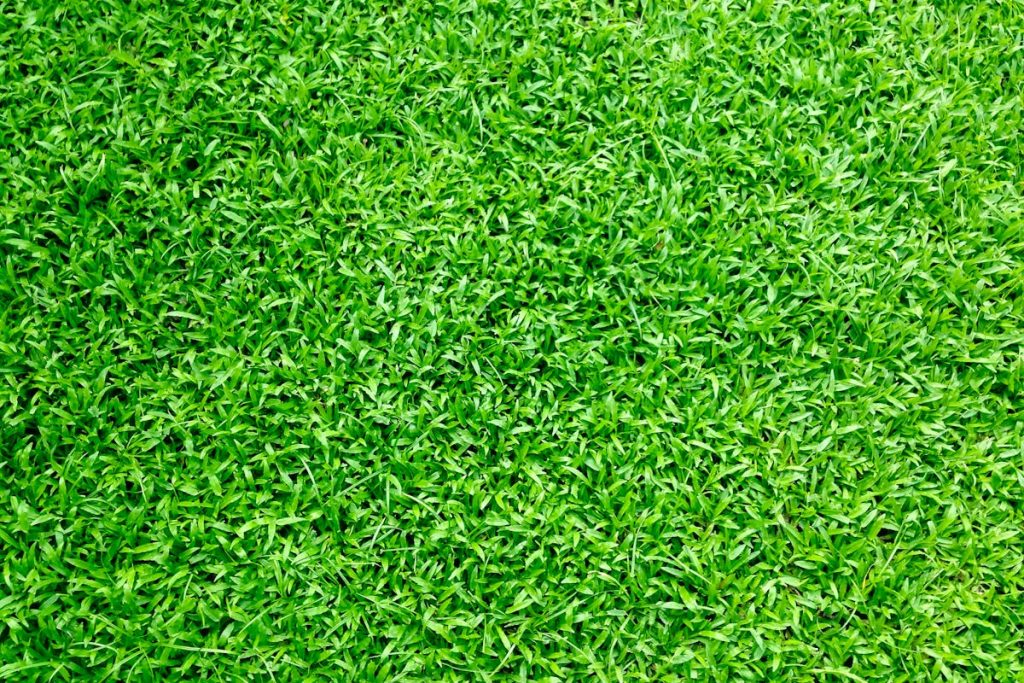
Modern artificial grass is designed to closely mimic the look and feel of real grass, with options available in various shades and textures. This means you can create a natural-looking landscape without the seasonal variations and challenges of traditional lawns.
- Positive Environmental Impact
Beyond conserving water and reducing chemical use, artificial grass has several other positive environmental impacts. Because it doesn’t need to be mowed, artificial grass eliminates the emissions produced by gas-powered lawn equipment. Additionally, artificial turf reduces the amount of green waste—such as grass clippings—that ends up in landfills.
For those seeking to create a more sustainable outdoor space, artificial grass provides a forward-thinking solution that benefits both the environment and the homeowner.
- Versatility in Landscaping Design
Artificial grass isn’t limited to just traditional lawns. Its versatility allows for creative landscaping designs that incorporate greenery in places where natural grass wouldn’t thrive. From rooftop gardens to poolside decks, artificial grass can be installed on a variety of surfaces, providing a soft, green touch in areas where real grass may struggle to grow.
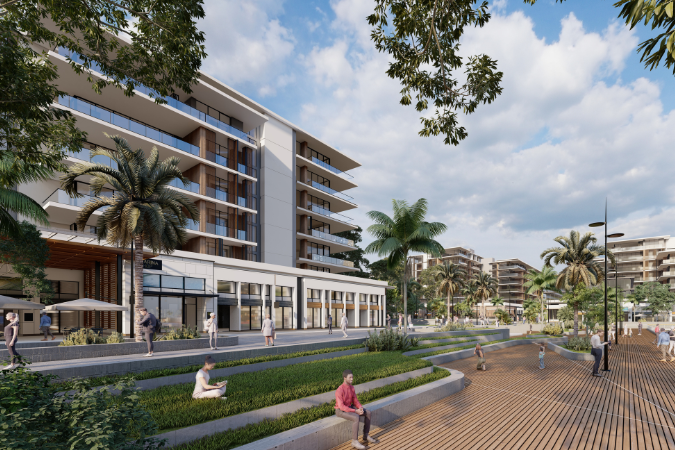
For urban areas where space is limited, artificial grass offers an opportunity to bring a touch of nature into otherwise concrete-heavy environments. Working with a skilled turf company can help you customize your artificial grass installation to suit your unique needs and space, transforming even the most unconventional areas into beautiful, green landscapes.
- Pet-Friendly and Safe for Children
Artificial grass is an excellent option for families with pets and children. Unlike natural grass, artificial turf doesn’t develop mud patches or get worn down from heavy play. It’s also resistant to digging, which means your furry friends can enjoy the outdoors without destroying your yard.
Moreover, artificial turf is designed to be soft underfoot, making it a safe surface for children to play on. Many artificial grass products even come with antimicrobial properties, ensuring that your yard stays clean and free of harmful bacteria.
Conclusion
Artificial grass offers a sustainable, low-maintenance, and versatile solution that is quickly becoming the future of landscaping. From water conservation to reduced chemical use, artificial turf presents an eco-friendly alternative to traditional lawns, making it the ideal choice for homeowners, businesses, and urban developments alike.
When considering artificial turf for your outdoor space, partnering with a reputable turf company can ensure a seamless installation and a product that will last for years to come. Whether you’re looking to create a pet-friendly yard, a pristine commercial property, or a beautiful urban garden, artificial grass provides the perfect blend of beauty, functionality, and sustainability for the landscapes of tomorrow.