Category

Home

Category

This article is part of a series that examines human factors testing in different contexts. This article looks at usability risks and sample size requirements. We also discuss the benefits and drawbacks of human factors testing. It includes additional resources related to human factors testing in research and development. Finally, we highlight important factors to consider when evaluating your research.

Usability

Usability as human factors formative study evaluates how well a product or service works for its intended users. Researchers may use formative or summative evaluations to learn more about the subject matter during this exploratory phase. The goal of usability research is to improve the design and development of a product. There are two main types of usability research: usability engineering and balance innovation and design. Both use a human-centered approach to product design.

Medical device manufacturers are adept at developing new technologies and navigating regulatory processes. The draft guidance from the Food and Drug Administration (FDA) provides insight into regulators’ thinking and the application of existing standards and reference documents. The guidance is not legally binding, but it does give the manufacturers a helpful guideline for ensuring the usability of their products. Nevertheless, medical device manufacturers should not try to go it alone without the assistance of usability professionals.

Hazards

Human factors form the foundation of a product’s development process. Formative user evaluations can identify possible errors and unanticipated use scenarios. These studies can also help improve the design of a product before submission to the FDA. Furthermore, the results of a human factors formative study can guide future product development and design, including instructions and packaging. Here are some hazards of human factors in formative studies. Listed below are some examples of these types of studies.

Constrained budgets and time often prevent human factors evaluations during this phase. For this reason, it is imperative to start early in the development process. During the development process, a human factors consultant should work closely with the device developers to determine what improvements are needed. Working together, they can produce a safer and more usable product. If you cannot hire a human factors consultant, consider working with a product developer instead.

Sample size requirements

Sample size requirements for human factors formative studies vary based on the type of study. For example, FDA human factors guidance calls for a sample size of fifteen participants for a usability study, but some experts argue for less. A usability study should also be designed to mimic the real-life setting as closely as possible. In this article, we’ll review how sample size requirements for human factors formative studies can be determined.

A formative human factors formative study is very similar to a validation study. Researchers recruit a representative group of users of the product and then introduce it to them in a way that mimics how they would use it. Typically, a commercial product is released with a training process. In a formative study, users learn about the product by interacting with it and reviewing the information. In contrast, clinical trials aim to prevent interference with data collection by ensuring that the sample is representative of actual users.

UI changes in response to formative study findings

A user-centered design process involves two main types of evaluation: summative and formative. Summative evaluations are used to evaluate a shipped product and track its overall usability. Formative evaluations reveal what works well in a design and what needs improvement. In addition, the formative assessment shows how well the final product compares to competitors. This article discusses the differences between the two types of evaluation.

A human factors evaluation involves surveying to gather user feedback. The human factors formative study is conducted either live or behind a one-way mirror. The primary purpose of a formative assessment is to gather input and meet FDA expectations. During the evaluation, participants reported which UI changes were most helpful. The results of the constructive reviews may lead to significant changes in the design. Moreover, formative evaluations also help identify issues that require substantial changes to the UI.

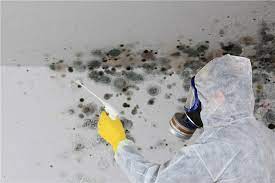
Mold is one of the most common home contaminants. It can cause lung infections and allergic reactions. It also eats away at building materials. Hiring a professional mold remediation San Antonio North service is the best way to avoid these problems. Below are the ways mold can affect your home.

Mold can cause allergic reactions

If you have a home with a history of mold contamination, you may have been affected by one of the many types of allergies. People with asthma are particularly susceptible to mold, which can trigger an attack. These allergies can cause immediate and delayed symptoms, such as a runny nose or itchy, watery eyes. People with mild or moderate allergic reactions may experience hay fever-like symptoms and a dry cough or skin rash. Mold can also trigger asthma attacks in people with chronic illnesses, including diabetes or asthma.

Various doctors recommend different treatments for mold exposure, but the best way to prevent a reaction is to avoid it entirely. Your doctor will probably recommend that you test your home to find out which types of mold are present. However, this short-term treatment will have a limited impact if the indoor environment has not been remedied. While over-the-counter drugs may reduce airway inflammation and suppress allergic reactions, they won’t help much if mold spores are inhaled.

In addition to causing allergic reactions, molds can worsen other health conditions such as asthma. People with obstructive pulmonary disorder and asthma risk worsening their symptoms when exposed to mold. People with pre-existing medical conditions are more susceptible to allergic reactions than healthy people. If you suspect that you have a mold-contaminated home, it is essential to consult with your doctor and a certified remediation company.

Mold can cause lung infections

If you are worried about developing a mold allergy, it is best to see a doctor. They can confirm that you are allergic to mold spores and prescribe an antifungal or corticosteroid medication to combat your symptoms. Mold spores can become airborne when they die or are handled. A mold remediation company in San Antonio, North is essential for your safety.

Before hiring a mold remediation company:

  1. Make sure you know their experience in cleaning up mold.
  2. Check references and ask if they have any certifications.
  3. Ask them to follow the guidelines of the EPA’s Office of Mold Remediation in Schools and Commercial Buildings, the American Conference of Governmental Industrial Hygienists (ACGIH), or other relevant industry standards.

Those with chronic lung conditions or immune system disorders are at higher risk for lung infections caused by mold exposure. People with chronic lung conditions, people with weakened immune systems, and people with organ transplants are also at higher risk for this type of infection. However, even healthy individuals can get mold infections. Those with lung problems should contact a mold remediation San Antonio North company.

Mold can eat through building materials

The good news is that mold is an almost always-present part of our lives. Some forms of mold are beneficial, like the kind found in blue cheese. However, if you accidentally eat food infected with mold, you will probably be okay. But if you’re unsure, toss it! Mold is hazardous to fruits and vegetables, which are known to be porous and can spread very quickly.

To understand how dangerous mold is to your home, you should learn about its life cycle. The environmental protection agency warns that mold can grow in houses if they are exposed to moisture. Mold needs high humidity to reproduce and is often found in areas where water has damaged building materials. The most common indoor molds are Penicillium, Alternaria, and Aspergillus. In addition, toxic molds such as Stachybotrys are rare and only exist in homes plagued with moisture for a long time.

Water-damaged ceilings and walls invite the growth of mold. If you discover any areas of a building that have suffered from water damage, clean them immediately to prevent further development. Proper ventilation is essential to help push moist air outside. It would help if you also used exhaust fans and air conditioners to help reduce indoor humidity levels. If you must use the clothes dryer, ensure the lint filter is clean and vented outside.

One very genius way to plant in the 21st century is to do it right in your house; this not only saves time but money. That is the least of what is good about this latest system because it is one solution that makes planting environmentally friendly. We at Hc have created the planting pots, which are the best help any plant can get. Not only is it conducive for so many plants, including cannabis, but they also need such pots. Our pots are produced with the aim of not allowing root shock in the process of moisture to move around the walls of the pot, which is helpful and allows for proper drainage just as the plant needs. This would no doubt reduce the pressure the plant would have been under if it was in any way overwatered, as it may start to rot and have less oxygen. That all is not happening with us as we protect the plant from all that with our pots. 

How we make our planting pot should be of interest to people; well, like I said it is sustainable, which means it is just for the safety of the environment. I must say that we are so proud of these right at our Canadian plant we made containers with fiber with a closed-looped water recycling facility. Of course not only is fiber a product of recycling but the water we make use of in this facility is also recycled. We have made it our mandate at Hc to have our products geared towards being climate-friendly. By so doing our product is not just for usage at the current times but into the future. We will be needed as this is where the world is headed as we try to battle the climate change confronting us in all aspects. I must say that anybody working with us is sure of not just protection, but the health and growth of their plants are guaranteed. Reach out to us through any of our distributors and have yours.

Why wait till certain products used in planting becomes extinct as governments across the globe get desperate to tame the effect of global warming? A lot of moves and laws coming. To this effect, don’t wait till you are behind and find that your plant no longer meets the standards of the way you plant or the plant itself. So take the chance now with our planting pots and save for now and the future.

Homes, businesses, and even entire communities can be damaged by water leakage, costing homeowners and businesses money in lost value and repair costs. In some cases, water leakage can even cause a fire.

Here are the questions Proseal will be answering:

1. What is water leakage?

Water leakage is the uncontrolled flow of water from a building or system, including through damaged or missing seals and joints. It can lead to increased moisture levels in the environment, costly repairs, and safety concerns.

2. What is the difference between water leakage and water leak detection?

Water leakage is the unintentional release of water from a building, system, or appliance. Water leak detection is the process of locating and correcting water leaks in a facility. Leaks can be small (less than 1 inch) or large (more than 5 inches), but all are harmful if not corrected. Water leakage can occur from any type of fixture or appliance, but most often occurs from pipes, joints, and seams in buildings. Water leak detection can be done using a variety of methods including visual inspections, sound measurements, and hydrostatic tests.

3. How to stop water leakage from pipe?

Water leakage can be a serious problem, especially if it is happening in areas where water is needed most. In order to stop water leakage from pipe, there are a few things that you can do. First, make sure that the pipe is properly sealed. This means that the seams between the different pieces of the pipe should be tight and leak-proof. You can also install gaskets and seals around the pipes to help stop water leakage. Finally, make sure that all of the joints in the piping are properly sealed with silicone or other sealant materials.

Here are a few methods you can use to stop water leakage from pipes:

  1. Seal the crack or hole with a sealant
  2. Replace the pipe with a type that is resistant to water leakage
  3. Add a valve at the source of the water leak
  4. Add a watertight seal at the end of the pipe

4. How to stop water leakage from wall?

Water leakage can be a major problem for any homeowner. In order to stop water leakage from walls, it is important to first identify the source of the leak. Once the source of the leak is identified, you can start to take steps to repair or fix the issue. There are many different ways to stop water leakage from walls, so it is important to find a solution that works best for your specific situation.

There are a few ways to stop water leakage from walls:

  1. Apply a sealant to the wall
  2. Add caulking around the perimeter of the wall
  3. Install a gasket at the connection between the wall and the floor or ceiling
  4. Add a waterproof membrane to the wall
  5. Add an insulation layer to the wall
  6. Install a watertight membrane on the wall