
Author

Herr Robert Rainer

Browsing

Fraud has become an increasingly prevalent issue in today’s digital world. With the rapid advancement of technology, criminals are finding new and sophisticated ways to deceive individuals and organizations. 

This has led to the emergence of advanced techniques such as Artificial Intelligence (AI) and predictive analytics in the field of fraud detection. 

In this article, we will explore how AI and predictive analytics are revolutionizing the future of fraud detection and discuss the current trends in this domain.

  • Introduction to Fraud Detection

Fraud detection involves the identification and prevention of fraudulent activities that can cause significant financial losses and damage to businesses. In the past, fraud detection heavily relied on manual processes and rule-based systems, which were often inadequate in keeping up with the evolving tactics of fraudsters. However, the advent of Artificial Intelligence (AI) and predictive analytics has revolutionized the field, providing powerful tools to combat fraud effectively.

  • Role of Artificial Intelligence in Fraud Detection

Artificial Intelligence, particularly machine learning, has emerged as a game-changer in fraud detection. Machine learning algorithms can analyze large volumes of data, identify patterns, and make accurate predictions based on historical and real-time data. This enables organizations to detect anomalies and suspicious activities that may indicate fraudulent behavior. AI-powered systems continuously learn from new data, allowing them to adapt and improve their detection capabilities over time.

  • Analyzing Structured and Unstructured Data

AI-based fraud detection systems excel at analyzing both structured and unstructured data. While traditional rule-based systems struggle with unstructured data, such as text documents or social media posts, AI algorithms can process and understand this type of information. By analyzing unstructured data, organizations can uncover hidden patterns and connections that might go unnoticed, providing valuable insights for detecting fraud.

  • Predictive Analytics in Fraud Detection

Predictive analytics, combined with AI, takes fraud detection to the next level. By analyzing historical data and identifying trends, predictive analytics algorithms can forecast the likelihood of future fraudulent activities. This proactive approach allows organizations to take preventive measures and mitigate potential risks before they materialize. Leveraging predictive analytics enables businesses to stay ahead of fraudsters and minimize financial losses.

  • Integration with Emerging Technologies

The future of fraud detection lies in the integration of AI and predictive analytics with other emerging technologies. For example, the Internet of Things (IoT) can provide real-time data that can be analyzed to identify fraudulent activities. By monitoring IoT devices, organizations can detect anomalies or unusual patterns that may indicate fraud. Additionally, natural language processing (NLP) can enhance fraud detection by analyzing textual data and identifying suspicious content.

  • Types of Fraud Detection

Current trends in fraud detection focus on leveraging AI and predictive analytics to specific types of fraud detection. Identity theft, a major concern in the digital age, can be combated using AI-powered systems. By analyzing personal information, transaction history, and online behavior, AI algorithms can detect signs of identity theft. Financial institutions also utilize AI to detect credit card fraud by analyzing transaction patterns and identifying abnormal behavior.

  • Real-Time Monitoring and Alerting

Another emerging trend in fraud detection is the use of AI for real-time monitoring and alerting. AI systems continuously monitor transactions and activities, detecting potential fraud in real-time and notifying relevant personnel immediately. This enables organizations to respond swiftly, preventing further damage and mitigating losses.

In conclusion, AI and predictive analytics offer unprecedented capabilities in fraud detection. These technologies allow organizations to analyze vast amounts of data, identify patterns, and make accurate predictions. By integrating AI and predictive analytics, businesses can enhance their fraud detection capabilities, detect specific types of fraud, and take proactive measures to prevent financial losses. Staying updated with the latest trends in fraud detection and investing in advanced systems are crucial steps for safeguarding assets and maintaining a strong reputation.
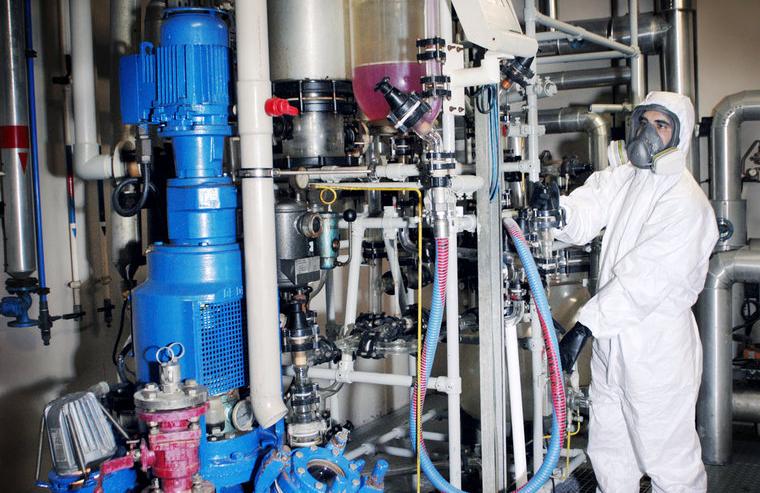
 

The increasing demand for top-notch and customized chemicals has led to a rise in the requirement for manufacturing of fine chemicals. Fine chemicals are substances that are produced in small amounts, with specific and accurate specifications for use in various industries such as biotechnology, pharmaceuticals, and electronics. These substances are highly pure and specialized.

This article will delve deeper into the manufacturing of fine chemicals, encompassing its meaning, the process of production, and diverse applications. To learn more about Fine chemicals manufacturing, you can visit our webpage.

What Are Fine Chemicals?

Specialty chemicals, also referred to as fine chemicals, are substances of exceptional purity that are produced in small amounts with exacting standards. These chemicals find use in various industries such as biotechnology, electronics, and pharmaceuticals, where precision and superior quality are of utmost importance.

Fine Chemicals vs. Bulk Chemicals

Large quantities of bulk chemicals, usually measured in metric tons, are manufactured for various applications. On the contrary, fine chemicals are produced in smaller quantities, typically measured in kilograms, and are utilized for specific applications that demand high purity and precise specifications.

Fine Chemicals Manufacturing Process

The manufacturing process for fine chemicals involves several steps, including:

  • Synthesis: Various chemical reactions and processes are utilized for the synthesis of fine chemicals, which are subsequently purified to eliminate impurities and contaminants.
  • Formulation: After purification, the chemicals are processed to cater to the particular needs of the final application.

Raw Materials Used in Fine Chemicals Manufacturing

Fine chemicals manufacturing employs diverse raw materials that differ based on the intended application. A few examples of raw materials utilized in fine chemicals manufacturing are:

  • Solvents
  • Catalysts
  • Reagents
  • Intermediates

Types of Fine Chemicals Manufacturing

Fine chemicals manufacturing can be broadly classified into the following categories:

  •  Pharmaceuticals

The pharmaceutical industry extensively utilizes fine chemicals for synthesizing active pharmaceutical ingredients (APIs) as well as intermediates.

  •  Agrochemicals

Agrochemicals, such as herbicides, pesticides, and fertilizers, are produced using fine chemicals as well.

  •  Flavors and Fragrances

Fine chemicals are also utilized in the production of agrochemicals, including herbicides, pesticides, and fertilizers.

  •  Polymers and Resins

The use of fine chemicals is also prevalent in the manufacturing of polymers and resins, which have widespread applications in industries such as automotive, construction, and packaging.

  •  Specialty Chemicals

Specialty chemicals such as surfactants, dyes, and pigments are produced using fine chemicals.

Applications of Fine Chemicals

Fine chemicals are used in a wide range of applications, including:

  •  Pharmaceuticals

The pharmaceutical industry utilizes fine chemicals for producing APIs and intermediates. Additionally, fine chemicals are employed in drug discovery, development, and delivery systems.

  •  Biotechnology

The biotechnology industry utilizes fine chemicals for the manufacturing of biopharmaceuticals, enzymes, and other biologically active substances.

  •  Electronics

The electronics industry utilizes fine chemicals for the manufacturing of semiconductors, displays, and other electronic components.

  1.  Agriculture

The production of agrochemicals, such as herbicides, pesticides, and fertilizers, involves the utilization of fine chemicals.

  •  Others

In addition to their application in various industries, such as cosmetics, food, and textiles, fine chemicals are also utilized.

Benefits of Fine Chemicals Manufacturing

There are several benefits of fine chemicals manufacturing, including:

  • High purity: The production of fine chemicals requires a significant level of purity, which is crucial in various fields such as electronics and pharmaceuticals.
  • Precise specifications: The production of fine chemicals involves the use of accurate specifications to guarantee that they satisfy the demands of their intended application.
  • Customization: Tailored fine chemicals can be produced to suit the precise requirements of the final application.
  • Flexibility: The production of fine chemicals is adaptable, enabling the manufacture of small quantities and rapid modifications in the production procedures.

Challenges in Fine Chemicals Manufacturing

Fine chemicals manufacturing also presents several challenges, including:

  • Cost: The production of fine chemicals can be expensive because of the need for a high degree of purity and precise specifications.
  • Environmental concerns: The manufacturing process of high-quality chemicals may lead to the discharge of dangerous substances and byproducts, causing detrimental effects on the environment.
  • Safety concerns: The utilization of harmful and combustible chemicals in the production of fine chemicals can pose a potential danger.

Future of Fine Chemicals Manufacturing

The fine chemicals manufacturing industry is expected to experience growth in the future due to the increasing demand for specialized and high-quality chemicals. Additionally, advancements in technology and innovation, specifically in biotechnology and electronics, are anticipated to contribute to this growth.

Overall, The production of highly pure and specialized substances through fine chemicals manufacturing is essential for various industries such as pharmaceuticals, biotechnology, and electronics. Despite the challenges it poses, the advantages of this process are substantial, and the prospects for the industry are optimistic.


Why make the management of sewage a difficult task? Why go for conventional septic tanks that create a lot of burden on you when you can get relief using Re-Leaf bio-septic tanks? Re-Leaf understands how complicated and laborious it is to use conventional septic tanks. The solutions are accordingly and carefully made to fix your problems. Re-Leaf considers the future and designs the products. It is the primary principle of Re-Leaf to cater to regulatory standards and environmental norms. And therefore, the engineers of Re-Leaf have designed the bio-septic tanks as per DRDO standards. They are manufactured at Re-Leaf’s ISO 9001-2015 Certified factories, under the guidance of engineers qualified as per ISO 18436 standards. Re-Leaf consistency of innovating designs that offer comfort to the people has helped them win achievements. Re-Leaf has deployed 10,000+ Toilets, saved, 20Million+ Litres of fresh water, and has benefitted 150 Million+ people. Re-Leaf’s maintenance-friendly design permits easy inspection chambers.

Re-Leaf company has gained fame in the bio-septic tank industry due to several reasons, which could include:

Innovative Technology: Re-Leaf has developed advanced and efficient bio-septic tank systems that offer improved performance and functionality compared to traditional septic tanks. The technology has helped to accelerate the digestion/degradation process by 10 times, compared to a normal septic tank. It is surprising for people to see decomposition happening in 3-4 days as compared to conventional septic tank which takes approximately 40 days.

Environmental Focus: Re-Leaf’s bio-septic tanks are designed with a strong emphasis on environmental sustainability and scalability, and have gained popularity among environmentally conscious individuals and organizations. There are no methanogens in the consortium hence there is less release of greenhouse gases. Re-Leaf has a high reputation and you will find reduced contamination and discharge water. 100% virgin material ensures long life & recyclability resulting in less or no impact to the environment.

Reliable Performance: Re-Leaf has a track record of delivering high-quality bio-septic tank systems that consistently perform well. Re-Leaf tanks are known for their durability, reliability, and effective waste management capabilities.

Positive Customer Reviews: Satisfied customers who have used Re-Leaf’s bio-septic tanks have shared positive feedback and reviews about their products and services.

Bacteria play a crucial role in the functioning of bio septic tanks by breaking down organic waste. Bio septic tanks are designed to treat wastewater from households or small-scale establishments in an environmentally friendly manner. Releaf brings to you BIO TANKS for the disposal of human waste in an eco-friendly manner. All the disease-causing pathogens are eliminated, and the effluents are drained to any surface without any environmental hazard making this Innovation stand out from other common Toilets.

Usually, when wastewater enters a bio septic tank, it undergoes a series of biological processes facilitated by bacteria. These bacteria, known as aerobic and anaerobic bacteria, decompose the organic matter present in the wastewater.

In Re-Leaf bio septic tanks, there is a wide range of ambient operating temperatures. 95% of organic sludge degrades within 72 hours of retention. There is never a requirement for scavenging/emptying under normal operating conditions. There is a Provision for water reuse. The tank is sturdy and rigid.

Product Range

Ultra-Series

Ultra-Series comes with Polyethylene molded tanks. Products are available in the following models

Ultra-Series : 20 flushes/daily

Ultra-Series : 40 flushes/daily

Ultra-Series : 60 flushes/daily

Prime Series

Prime Series comes in Fibre Reinforced Plastic tanks. Products are available in wide ranges

Model B 3000: 65 flushes/day

Model B 5000: 100 flushes/day

Model B 10000: 200 flushes/day

Model B 20000: 400 flushes/day

Higher capacity tanks can be custom-made as per requirements. Efficient filtration and recycling modules are also manufactured and supplied as per requirements.

Ultra-Series

Normal septic tanks produce effluent with a high percentage of pathogens. The high pathogen count in drinking water impacts the health and cognitive development of children. Globally, 5.3% of all deaths and 6.3% of disabilities are caused by poor sanitation, hygiene, and water. One in every ten deaths in India is linked to poor sanitation and hygiene.

The initial installation cost of bio-septic tanks varies depending on the size and specific requirements, they often offer long-term cost savings. Re-Leaf bio-septic tanks require less maintenance and fewer chemical additives compared to traditional septic systems, leading to reduced operating expenses over time.


It’s no secret are many people today have a side hustle. Whether engaging in freelancing, creating a blog, or selling products online, having a side hustle will be an excellent means of generating additional income and pursuing your passions alongside a primary job. Become an Amazon FBA entrepreneur as a side hustle. Balancing a side hustle with full-time employment will be challenging. When you have a full-time job and a side hustle, time is precious. Determine which tasks are essential for the job and which duties are necessary for a side hustle. This will help allocate time more effectively. For example, if you are an Amazon FBA entrepreneur, you may need to spend time on product research, sourcing, and listing optimization. These tasks are essential for a business. The most important thing is ensuring sufficient time to complete my job responsibilities. When prioritizing your time, you can maintain a healthy balance between a full-time job and a side hustle. Setting realistic goals is crucial when balancing a side hustle with a full-time job. Set achievable goals for the business and track progress. For instance, if you’re an Amazon FBA entrepreneur, make a goal to list five updated products every week. This is a manageable goal that won’t take too long. As you become more comfortable with the routine, adjust your objectives accordingly.

Sometimes, saying no is necessary when balancing some side hustle apps is many useful for full-time job. It is essential to know the limits and not take on too much at once. If the boss requests you to work extra hours, but you’re aware that disrupts side business, it is acceptable to decline the request. Remember that your side hustle is important too, and it’s okay to prioritize it. Creating a schedule is essential for balancing the side hustle with your full-time job. It would be helpful if you developed a weekly or daily calendar outlining your tasks for not just your job and side hustle. This will help to stay organized and dedicate enough time to both. They could devote a few hours in the morning before work to side hustle is focus on the job during the day. In the evening, the plan is to spend more time on a side hustle. Whatever schedule to choose to sure it works for you and allows productivity. Also, it’s essential to be aware of time management skills. Don’t let a side hustle take over life. Sure to create a balance and time for yourself, friends and family, and any other interests or hobbies have. Be sure to set goals and keep track of progress. This will help you remain motivated and on track, and it will also help you remain organized.

Managing a side hustle alongside a full-time job will be a source of stress and it is crucial to prioritize self-care. Sure to get enough sleep, eat well, and take breaks when need them.  For example, taking a walk during your lunch break or spending time with friends and family helps recharge and refocus. Balancing a side hustle with a full-time job is possible with the right mindset and strategies. As an Amazon FBA entrepreneur, you have the potential to earn extra income and pursue your passions outside of your regular job.