
Category

Business

Category

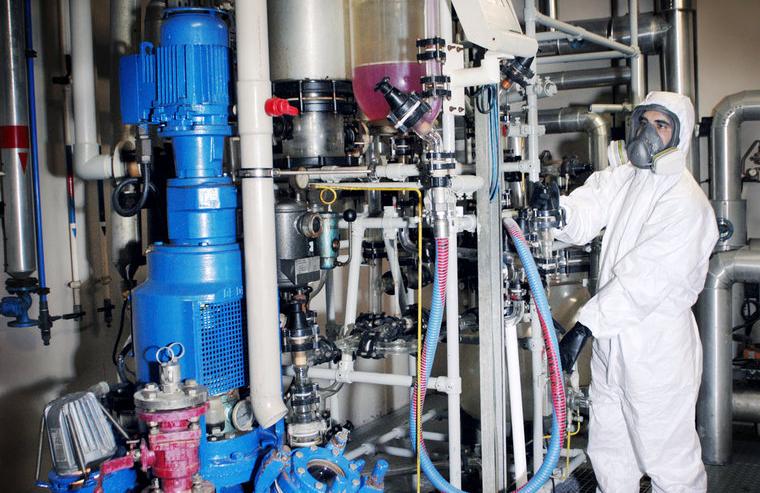
The increasing demand for top-notch and customized chemicals has led to a rise in the requirement for manufacturing of fine chemicals. Fine chemicals are substances that are produced in small amounts, with specific and accurate specifications for use in various industries such as biotechnology, pharmaceuticals, and electronics. These substances are highly pure and specialized.

This article will delve deeper into the manufacturing of fine chemicals, encompassing its meaning, the process of production, and diverse applications. To learn more about Fine chemicals manufacturing, you can visit our webpage.

What Are Fine Chemicals?

Specialty chemicals, also referred to as fine chemicals, are substances of exceptional purity that are produced in small amounts with exacting standards. These chemicals find use in various industries such as biotechnology, electronics, and pharmaceuticals, where precision and superior quality are of utmost importance.

Fine Chemicals vs. Bulk Chemicals

Large quantities of bulk chemicals, usually measured in metric tons, are manufactured for various applications. On the contrary, fine chemicals are produced in smaller quantities, typically measured in kilograms, and are utilized for specific applications that demand high purity and precise specifications.

Fine Chemicals Manufacturing Process

The manufacturing process for fine chemicals involves several steps, including:

  • Synthesis: Various chemical reactions and processes are utilized for the synthesis of fine chemicals, which are subsequently purified to eliminate impurities and contaminants.
  • Formulation: After purification, the chemicals are processed to cater to the particular needs of the final application.

Raw Materials Used in Fine Chemicals Manufacturing

Fine chemicals manufacturing employs diverse raw materials that differ based on the intended application. A few examples of raw materials utilized in fine chemicals manufacturing are:

  • Solvents
  • Catalysts
  • Reagents
  • Intermediates

Types of Fine Chemicals Manufacturing

Fine chemicals manufacturing can be broadly classified into the following categories:

  •  Pharmaceuticals

The pharmaceutical industry extensively utilizes fine chemicals for synthesizing active pharmaceutical ingredients (APIs) as well as intermediates.

  •  Agrochemicals

Agrochemicals, such as herbicides, pesticides, and fertilizers, are produced using fine chemicals as well.

  •  Flavors and Fragrances

Fine chemicals are also utilized in the production of agrochemicals, including herbicides, pesticides, and fertilizers.

  •  Polymers and Resins

The use of fine chemicals is also prevalent in the manufacturing of polymers and resins, which have widespread applications in industries such as automotive, construction, and packaging.

  •  Specialty Chemicals

Specialty chemicals such as surfactants, dyes, and pigments are produced using fine chemicals.

Applications of Fine Chemicals

Fine chemicals are used in a wide range of applications, including:

  •  Pharmaceuticals

The pharmaceutical industry utilizes fine chemicals for producing APIs and intermediates. Additionally, fine chemicals are employed in drug discovery, development, and delivery systems.

  •  Biotechnology

The biotechnology industry utilizes fine chemicals for the manufacturing of biopharmaceuticals, enzymes, and other biologically active substances.

  •  Electronics

The electronics industry utilizes fine chemicals for the manufacturing of semiconductors, displays, and other electronic components.

  1.  Agriculture

The production of agrochemicals, such as herbicides, pesticides, and fertilizers, involves the utilization of fine chemicals.

  •  Others

In addition to their application in various industries, such as cosmetics, food, and textiles, fine chemicals are also utilized.

Benefits of Fine Chemicals Manufacturing

There are several benefits of fine chemicals manufacturing, including:

  • High purity: The production of fine chemicals requires a significant level of purity, which is crucial in various fields such as electronics and pharmaceuticals.
  • Precise specifications: The production of fine chemicals involves the use of accurate specifications to guarantee that they satisfy the demands of their intended application.
  • Customization: Tailored fine chemicals can be produced to suit the precise requirements of the final application.
  • Flexibility: The production of fine chemicals is adaptable, enabling the manufacture of small quantities and rapid modifications in the production procedures.

Challenges in Fine Chemicals Manufacturing

Fine chemicals manufacturing also presents several challenges, including:

  • Cost: The production of fine chemicals can be expensive because of the need for a high degree of purity and precise specifications.
  • Environmental concerns: The manufacturing process of high-quality chemicals may lead to the discharge of dangerous substances and byproducts, causing detrimental effects on the environment.
  • Safety concerns: The utilization of harmful and combustible chemicals in the production of fine chemicals can pose a potential danger.

Future of Fine Chemicals Manufacturing

The fine chemicals manufacturing industry is expected to experience growth in the future due to the increasing demand for specialized and high-quality chemicals. Additionally, advancements in technology and innovation, specifically in biotechnology and electronics, are anticipated to contribute to this growth.

Overall, The production of highly pure and specialized substances through fine chemicals manufacturing is essential for various industries such as pharmaceuticals, biotechnology, and electronics. Despite the challenges it poses, the advantages of this process are substantial, and the prospects for the industry are optimistic.


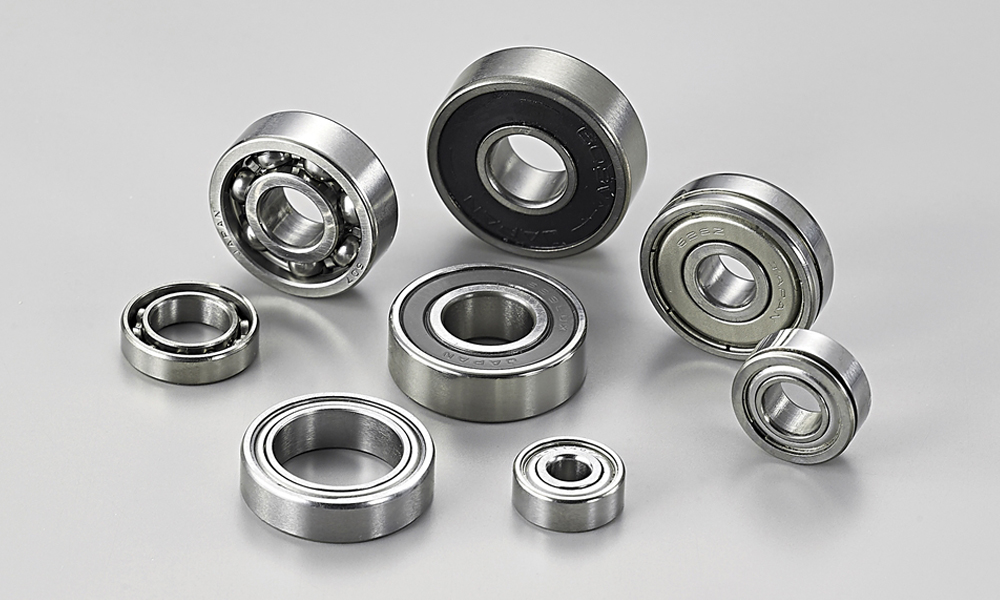
Various complicated machinery in the market is used to produce multiple commodities. The operation and function of these complicated types of machinery might be different. Still, all of this machinery has one in common, and the common object is bearing. These bearings are found in automobiles, electronic gadgets, heavy machinery, industrial plants, and aeroplanes.

Each of these uses a different kind of bearing, depending upon the requirement of the machines. The bearing acts as a rotating shaft that ensures smooth movement of the devices. In simple words, it allows smooth movement of the parts and helps in effortless movement of the wheels, shafts, gears, and rotors installed in the machines.

Similarly, HCR Bearings (ตลับลูกปืน LM Guide HCR, which is a term in Thai) are also a kind of bearing that allows the smooth movement of the machinery. It is the most commonly used item found in almost every other machinery. These bearings are the soul of any machine because it helps to reduce friction and maintain a smooth pace while rotating. It also helps extend any machinery’s lifetime and prevents it from getting damaged.

What Are The Different Kinds Of Bearings That Are Available In The Market?

Let’s take a look at the kinds of bearings that are available in the market.

●        Mounted Bearings

These are the most commonly used bearing that is assembled mechanically. They are specially designed for bolt-on mounting and facilitate smooth movements of the rotating shafts. The mounted bearing also helps in minimizing friction between shafts. It also allows you to make adjustments to the supported components as well.

●        Ball Bearings

Ball bearing consists of small rolling elements inside the inner layer of the bearing. It provides support and accelerates the smooth movement of the machinery. They reduce friction and provide support to the rotating shaft. Ball bearings are mostly used as the best rolling elements to help you prevent friction. Ball bearings are most commonly used in high-speed machinery because of their high-speed precision, and they come in large rage with a standardised form.

●        Roller Bearings

Roller bearings are cylindrical-shaped bearings that consist of rolling elements trapped between the races’ inner and outer layers. Roller bearings are used in big machines that require support while carrying heavy loads. In other words, roller bearings can carry high loads and are typically used as a replacement for ball bearings.

Conclusion

This article will be helpful for you if you are looking for an ideal type of bearing. Finding the perfect kind of bearing will help you enhance the efficiency of your machinery. At the same time, it will also increase the efficiency rate. Your productivity will also increase by selecting the right kind of bearing.

Hence, if you find any difficulty, seek professional help to guide the procedure. These days there are various models of bearings available in the market from which you can choose one according to your preference and as per your requirements

Depending on the data type, cost, performance, ease of management, etc., the storage architecture should be fixed. One of the most popular data storage options is Synology DS220j. This is a specific type of networked storage that enables users to share and store files from centralised disks. You can get several benefits using Network SAS. Let’s read the article to learn the fantastic benefits of the Synology DiskStation system.

It’s Cost Effective

You can say NAS is the perfect solution for adding additional storage to the business network. As per your storage device requirement, you can purchase a cost-effective single bay NAS such as Synology NAS that can house a single hard disk. You can also find many multiple hard drive bays that allow higher disk capacity. However, these can be more expensive than the single bay device but a cost-effective solution.

The Nas Devices Are Scalable

A multi-bay NAS device allows you to add storage into vacant disc caddies. Even adding the hard drives is easy to remove when you are on the fly. There are multiple types of hard drives available that come with different speeds, different interfaces, etc. So you should purchase the right one that suits your NAS device.

Security And Backup Option

Synology DS220j allows the user to network backup and data storage. It also allows you to do pc backup using the data replicator. You can avail of SSP, FTP and HTML connectivity in terms of security, enabling you to set different permissions for different folders.

Performance

If you notice its input and output operation, you can see Synology as the fastest network-attached server. Using it, you can achieve 60Mbps of writing and 55Mbps of reading speed. If you are swapping hot, the DiskStation performs by adding hard drives.

Conclusion

Hopefully, now you know the core benefits of using Synology DS220j. If you haven’t yet availed of the device, then have it immediately for your home and office use. Due to the incredible benefits of this device, it is getting increasingly popular day by day. So, why will you skip the rush of this mind-blowing technology?

There are several reasons why exit interviews are beneficial, including the insight they give about your company’s culture, day-to-day operations, management solutions, and employee morale. Exit interviews should be conducted with departing employees so that you may get insight into their time spent working for your firm as a whole and identify opportunities to boost retention and engagement.

Departure interviews may be an integral aspect of risk management, thus it’s crucial to have clear criteria in place for success. When problems are handled fairly and effectively in-house, there is no need for outside investigations, litigation, or bad press to follow.

These interviews, if conducted in a regular and standardised fashion, may help you build rapport with new hires and make the office a more pleasant place to work. The insights gleaned from departure interviews might be invaluable to your company if you aren’t already doing them.

Helpful Pointers for Conducting an Effective and Meaningful Exit Interview

Given the gravity of the situation, it is crucial to conduct exit interviews as effectively as feasible. Some experts recommend waiting until after the person has left the firm, for example. This is because a relaxed individual is more likely to share honestly about the difficulties they’ve had. Although face-to-face meetings are preferred by most companies, a phone interview may serve as a useful follow-up to a face-to-face meeting if done properly. It is crucial that the interviewer not try to steer the conversation or silence the leaving employee over the course of the interview. This will ensure that the information provided to the employers is accurate and useful. Choosing the exit interview questions is essential here.

Exit interviews: why they’re important and what you may learn from them

In order to help your company get the information and insights it needs to create a more pleasant work environment and to prevent itself from risk, we have compiled a list of 10 reasons that stress the significance of exit interviews. Your company might benefit from this list.

  • Leaving employees are more forthcoming with details about their jobs than their current colleagues.
  • The reason for an employee’s departure will be revealed to you (and it may come as a surprise).
  • During the departure interview, the departing worker has the chance to provide the firm helpful feedback and leave on a positive note.
  • At the last meeting, you and the departing worker may go through any outstanding agreements, such as non-compete provisions and intellectual property agreements.
  • Asking whether there are any outstanding issues that you should be aware of is an advantage. This might aid in risk assessment and the identification of issues requiring immediate attention.
  • An impartial assessment of your workplace conditions and culture will be provided.
  • Gain understanding of what is needed for hiring, onboarding, and training.
  • Using the feedback you get, you may identify opportunities to increase employee retention.
  • There is always opportunity for improvement in management training and succession preparation.
  • Detailed exit interviews are worth the time and effort it takes to arrange and conduct.

Conclusion

No matter the size of your company, it’s always a good idea to hold exit interviews with leaving workers. This provides them an opportunity to air their grievances about the company’s culture, unethical behaviour, and management. Determine whether or not employees’ satisfaction with how management deals with problems at work affects their decision to stay with the company.