Category

Fashion

Category

Silky, manageable hair isn’t magic, it’s chemistry. Behind every bottle that promises frizz-free shine, there’s a blend of ingredients working to hydrate, restore, and protect your strands. But what actually makes a hair smoothing formula hydrating? Pull back the curtain, and you’ll find a fascinating interplay of science and nature.

What Makes Hair Smoothing Formulas Hydrating?

The effectiveness of a hair smoothing product often starts with its ability to lock in moisture while tackling surface roughness. The best formulas blend gentle cleansers with powerful hydrating agents, ensuring that while the hair is cleansed, it isn’t stripped of its natural oils.

Which Ingredients Are Key to Hydration in Hair Care?

Look at the label on any premium hair smoothing product, and you’ll see familiar names: glycerin, aloe vera, and panthenol (pro-vitamin B5). These are known as humectants and are crucial for drawing moisture from the environment into the strands. But that’s only one piece of the puzzle. Fatty alcohols, like cetyl and stearyl alcohol, help soften hair, while oils such as argan or coconut provide lasting nourishment.

How Do These Ingredients Interact With Hair Structure?

Hydrating ingredients are not passive bystanders. They actively bind to the keratin in hair, reinforcing the structure of each strand. As humectants attract water, emollients smooth over the cuticle layer, sealing in that moisture and creating a glossy finish. This two-pronged approach is essential for both instant results and long-term hair health.

How Do Hydrating Ingredients Maintain Hair’s Natural pH Balance?

Healthy hair isn’t just hydrated, it’s balanced. The scalp and hair thrive at a pH between 4.5 and 5.5. Stray too far from this range, and you risk dryness, breakage, and even scalp irritation.

Why Is pH Balance Crucial for Hair Health?

A balanced pH keeps the hair cuticle (the outer protective layer) flat and tight. When the cuticle lies smoothly, hair feels soft, reflects more light, and resists frizz. Disrupted pH, on the other hand, causes the cuticle to lift, letting moisture escape and damage creep in.

Which Ingredients Help Restore and Stabilize pH Levels?

Formulations with gentle acids, like citric acid, help bring the pH back into the optimal range. Ingredients such as hydrolyzed proteins and natural extracts can also support the hair’s acid mantle, fortifying its resilience.

What Role Do Moisturizers Play in Preventing Hair Brittleness and Frizz?

Anyone battling dryness knows that hydration is the antidote to brittle, frizzy hair. The secret? Moisturizers that both attract and hold water.

How Do Humectants Work to Attract Moisture?

Humectants like glycerin and propylene glycol act as mini-magnets, drawing moisture from the air. This keeps the hair flexible and less prone to snapping.

What Emollients Soften and Seal the Hair Cuticle?

Oils (argan, avocado, jojoba) and butters (shea, cocoa) are classic emollients. They wrap each strand in a protective layer, smoothing rough cuticles and locking in hydration for lasting smoothness.

How Do Conditioning Agents Strengthen Hair from Roots to Ends?

Strength and hydration go hand in hand. Without the right conditioning agents, even the most hydrated hair can remain fragile.

Which Ingredients Penetrate Deeply to Nourish Hair Fiber?

Modern formulas use hydrolyzed proteins, broken down enough to slip inside the hair shaft. These proteins rebuild weak spots from the inside out, reinforcing each strand.

How Do These Ingredients Reduce Breakage and Improve Texture?

Conditioning ingredients fill in the gaps left by damage, instantly improving texture and making detangling a breeze. The result? Hair that resists breakage and feels smoother with every wash.

What Are the Benefits of Using Hydrating Masks in Hair Smoothing Aftercare?

Think of a hydrating hair mask as an intensive treatment, a chance for your hair to hit the reset button after exposure to heat styling, sun, or chemical treatments.

How Do Masks Differ From Shampoos and Conditioners?

Unlike daily products, masks offer concentrated nourishment, often left on longer for deeper penetration. They specialize in transforming rough, lackluster hair into something much softer and more resilient.

What Natural Restorative Ingredients Are Most Effective?

Masks powered by botanical extracts, oils, and plant-based proteins deliver both moisture and repair. Look for formulas rich in aloe, argan oil, or keratin for best results.

How Does Consistent Hydration Affect Long-Term Hair Smoothness and Manageability?

Consistent hydration isn’t just a quick fix. Over time, well-hydrated hair becomes stronger, smoother, and much easier to style. The protective effects build up, creating a buffer against future damage.

What Scientific Evidence Supports Routine Use of Hydrating Products?

Studies show that hair regularly treated with hydrating agents like glycerin and hydrolyzed proteins maintains higher elasticity and is less prone to split ends. Consistency matters: the benefits are cumulative.

Can Hydrating Ingredients Reverse Damage from Chemical Treatments?

While nothing can undo every bit of damage, quality hydrating products help fill in gaps, bind split ends temporarily, and restore lost softness and shine. For salon-smooth results, experts often recommend specialized formulas such as ProAddiction hair smoothing products due to their focus on both hydration and pH balance.

How to Choose the Right Hydrating Ingredients for Your Hair Type

Matching ingredients to your hair type can make all the difference.

Which Ingredients Are Best for Fine vs. Coarse Hair?

Fine hair responds well to lightweight hydrators like aloe and panthenol, which hydrate without weighing down the strands. Coarse, thick hair benefits from richer emollients such as shea butter or coconut oil.

How to Identify Hydrating Products That Suit Your Specific Needs?

Scan the ingredient list for humectants and emollients appropriate for your texture. Consider your styling routine, exposure to heat, and whether your hair is color-treated or natural. Sometimes, it’s trial and error, but science is on your side: choose products that promise both moisture and balance, and your hair will thank you.

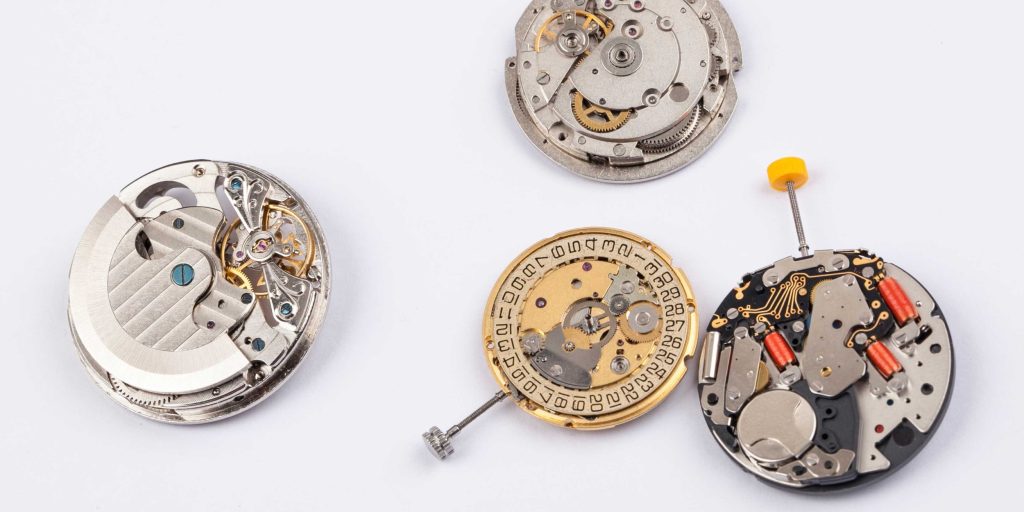
Choosing the perfect watch isn’t just about style and design; it’s also about understanding what’s inside the watch—the movement. The movement, often referred to as the “heart” of the watch, is the mechanism that drives its hands, enabling it to keep accurate time. There are three main types of watch movements: quartz, automatic, and mechanical. Each movement type offers unique characteristics and appeal, and understanding these differences can help you make an informed decision when choosing your next timepiece.

In this article, we’ll break down the key features of quartz, automatic, and mechanical watches to help you understand which movement best suits your lifestyle and preferences. Whether you’re a seasoned watch enthusiast or a first-time buyer, Cezeno’s extensive collection of watches includes a variety of movement types to cater to every taste and need.

Quartz Watches: Precision and Low Maintenance

Quartz watches are known for their high level of accuracy and reliability. The movement in a quartz watch is powered by a small battery that sends an electrical current through a quartz crystal, causing it to vibrate at a precise frequency. This vibration regulates the movement of the watch’s hands, allowing it to keep near-perfect time.

  • Advantages of Quartz Watches: Quartz watches are prized for their precision, typically losing or gaining only a few seconds per month. They are also low maintenance, as they require little more than a battery change every few years. The simple, efficient nature of quartz movements makes them highly affordable compared to their mechanical counterparts.
  • Ideal for Everyday Wear: Because of their accuracy and durability, quartz watches are perfect for everyday wear. Whether you’re looking for a sleek dress watch or a durable sports model, quartz watches offer reliable timekeeping with minimal upkeep.

If you’re searching for a reliable timepiece that requires little maintenance and offers superb accuracy, Cezeno’s quartz watch collection offers a variety of stylish and functional options to suit any occasion.

Automatic Watches: The Art of Self-Winding

Automatic watches, also known as self-winding watches, are powered by the movement of the wearer’s wrist. Inside the watch is a rotor that spins as you move, winding the mainspring, which stores energy to power the watch. This movement type eliminates the need for manual winding or battery replacements, making it an appealing choice for those who appreciate mechanical craftsmanship without the hassle of frequent maintenance.

  • Advantages of Automatic Watches: Automatic watches combine the precision of mechanical engineering with convenience. As long as you wear the watch regularly, it will continue to run without requiring winding. Many automatic watches also feature a power reserve that allows them to continue running for 24 to 48 hours after being removed from the wrist.
  • Perfect for Watch Enthusiasts: Automatic watches are a popular choice among watch enthusiasts who appreciate the intricate mechanics and craftsmanship that go into their design. These watches often feature transparent case backs, allowing you to admire the movement in action.

Cezeno’s collection of automatic watches combines timeless style with the elegance of self-winding technology, making them ideal for those who appreciate both form and function.

Mechanical Watches: A Tradition of Craftsmanship

Mechanical watches are the oldest type of timekeeping device, powered by a manually wound mainspring that stores energy to move the watch’s gears and hands. Unlike automatic watches, which wind themselves, mechanical watches require the wearer to wind the watch by turning the crown.

  • Advantages of Mechanical Watches: Mechanical watches represent the pinnacle of watchmaking tradition. They don’t rely on batteries or electronics, making them entirely mechanical marvels. The craftsmanship involved in creating a mechanical watch is often reflected in their higher price points, as they are more labor-intensive to produce.
  • For the Purist: Mechanical watches appeal to purists and collectors who admire the artistry and heritage behind these timepieces. Winding the watch daily is part of the charm for many, as it connects the wearer to the history and craftsmanship of traditional watchmaking.

If you’re drawn to the elegance and craftsmanship of mechanical watches, Cezeno offers a range of meticulously crafted mechanical timepieces that reflect the art and history of traditional watchmaking.

Which Movement is Right for You?

Choosing between quartz, automatic, and mechanical movements depends largely on your personal preferences, lifestyle, and how much time and effort you want to invest in maintaining your watch.

  • For Accuracy and Convenience: If precision and low maintenance are your top priorities, a quartz watch is your best bet. These watches are perfect for everyday wear and require little upkeep beyond the occasional battery change.
  • For Craftsmanship and Self-Winding Convenience: If you appreciate the craftsmanship of a mechanical movement but don’t want the hassle of manual winding, an automatic watch offers the best of both worlds. It’s a great choice for those who want a timepiece that reflects mechanical artistry while still being practical for daily use.
  • For Tradition and Watchmaking Enthusiasts: If you value the tradition of watchmaking and enjoy the process of manually winding your watch, a mechanical timepiece will appeal to your sense of heritage and craftsmanship. Mechanical watches are ideal for collectors and enthusiasts who appreciate the artistry of horology.

Regardless of your preference, Cezeno’s diverse selection of quartz, automatic, and mechanical watches ensures that you’ll find a timepiece that matches both your lifestyle and aesthetic. Explore the collection today and discover the perfect watch movement for you.

Conclusion: The Heart of the Watch

The movement inside a watch is what makes it tick—literally. Understanding the differences between quartz, automatic, and mechanical movements can help you make a more informed decision when choosing your next timepiece. Whether you prioritize accuracy, convenience, or traditional craftsmanship, the right watch movement will enhance your overall experience and ensure your timepiece remains a cherished accessory for years to come.

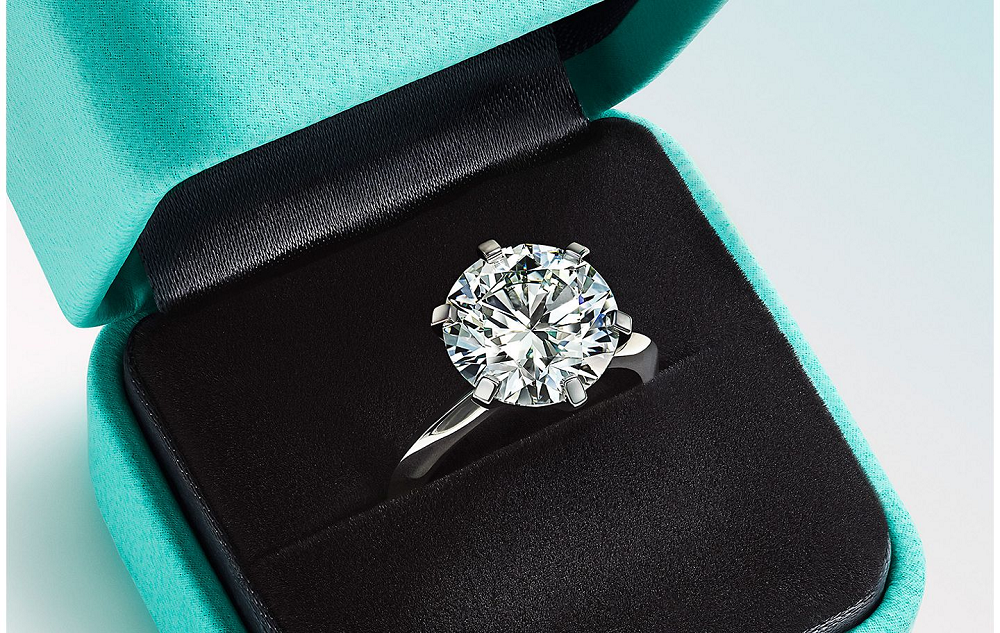
Choosing an engagement ring is a momentous occasion, symbolizing love, commitment, and a shared future. However, it’s not just about selecting a beautiful diamond or gemstone; the setting of the ring plays a crucial role in both its aesthetic appeal and durability. When looking for engagement rings London, understanding the different types of settings can help ensure you find a ring that not only captures your style but also stands the test of time.

Prong Setting

The prong setting, also known as the claw setting, is one of the most popular and classic styles. It features small metal claws that grip the diamond tightly, holding it in place. Typically, a prong setting uses four or six prongs. This type of setting allows maximum light to enter the diamond from all angles, enhancing its brilliance and sparkle.

Durability: While prong settings offer a timeless look and exceptional shine, they can be susceptible to wear and tear. Prongs may become loose over time, and if they are snagged on fabric or struck hard, they can bend or break. Regular inspections and maintenance are essential to ensure the diamond remains secure.

Bezel Setting

The bezel setting surrounds the diamond with a thin metal rim that holds it securely in place. This setting is known for its sleek and modern appearance, offering a minimalist look that emphasizes the diamond’s shape and size.

Durability: Bezel settings are highly durable and provide excellent protection for the diamond. The metal rim shields the edges of the diamond from potential impacts, making it less prone to chipping or loosening. This setting is ideal for individuals with an active lifestyle or those who use their hands frequently.

Pave Setting

In a pave setting, the band of the ring is encrusted with small diamonds or gemstones, creating a continuous sparkle. The stones are set closely together with minimal metal showing, held in place by tiny prongs or beads.

Durability: Pave settings are delicate and require careful handling. The small stones can sometimes become loose, especially if the ring is subjected to heavy use. Regular maintenance and professional cleaning can help keep the stones secure and the ring looking its best.

Channel Setting

Channel settings involve embedding diamonds or gemstones into a channel carved into the band of the ring. The stones sit flush with the metal, creating a smooth, streamlined look.

Durability: This setting is durable and provides good protection for the stones, as they are recessed and shielded from direct impact. Channel settings are less likely to snag on clothing and are ideal for those seeking a balance between elegance and resilience.

Tension Setting

Tension settings give the illusion that the diamond is floating between two ends of the band. The metal is carefully calibrated to apply pressure and hold the diamond securely in place.

Durability: Tension settings offer a contemporary and unique look, but they require precise craftsmanship to ensure the diamond is held firmly. While they are generally secure, a strong impact can dislodge the diamond. Choosing a reputable jeweler with expertise in tension settings is crucial for long-term durability.

Halo Setting

The halo setting features a central diamond surrounded by a circle of smaller diamonds, creating a halo effect. This setting enhances the overall brilliance and size of the central diamond.

Durability: Halo settings provide added protection to the center diamond, but the small surrounding stones can be vulnerable to damage or loss. Regular inspections and gentle cleaning can help maintain the integrity of the halo design.

Conclusion

When shopping for engagement rings in London, considering the type of setting is essential for both aesthetic appeal and durability. Each setting offers unique advantages and potential drawbacks, depending on lifestyle and personal preferences. Prong and tension settings provide exceptional brilliance, while bezel and channel settings offer enhanced durability. Pave and halo settings deliver intricate sparkle but require more maintenance. By understanding these different settings, you can make an informed decision and select an engagement ring that will be cherished for a lifetime.

Rolex watches is a renowned luxury watch manufacturing brand that deals in premium quality watches. They have a reputation for launching an exclusive collection of premium watches from time to time. These watches enhance your persona and give you a rich and classy look by complimenting your overall outfit.

Investing in a premium quality watch can be a good source of investment for you, as these watches have high vintage value. Hence, you are most likely to make profitable returns when you resell these watches.

Since these watches are manufactured on an exclusive basis, the demand for these exclusive collection watches is always high in the market. Recently, Rolex launched its newest collection, the Rolex Oyster, which encapsulates various attractive features that make maka a must-have in your collection.

What are the Attractive Features of the newly launched Rolex Perpetual Collection?

Let’s look at the attractive features that make purchasing Rolex Perpetual ideal for adding to your collection of luxury watches.

  • Stylish appearance: the sleek, simple, yet classy design of the Rolex Oyster collect makes it an ideal watch for both men and women. You can pair it up with multiple outfits. It gives you a minimalistic look, and at the same time, it makes you look classy and rich.
  • Customisable size: the new collection of Rolex can choose the size of your watch. Fortunately, the watch comes in three different sizes: small, medium, and medium, and from that, you can pick the size that suits your wrist the best.
  • Coloured Dials: if you enjoy experimenting with your accessories or feel adventitious when choosing your accessories, then the Rolex Oyster collection is the ideal choice of premium accessory for you. The dials of this watch come in various colours. You can choose a colour of your choice; it comes in three variants: light, coloured and dark dials that allow you to experiment with your fashion statement.
  • Effective Investment: Luxury watches are highly profitable; they are an excellent way of generating wealth and giving a high return on your investment, unlike other assets, which depreciate with time. These luxury watches have a high vintage value that adds to the selling price. Hence, you will most likely profit when you reseal them.
  • Testimony of Family Heritage: elite families have the tradition of passing valuable assets to future generations through love and care. From property to gold, diamonds, and precious and semi-precious belongings, everything is passed down from one generation to the other as a mark of a family’s legacy. Similarly, you can gift your loved ones a premium Rolex watch as a token of love to cherish your memory for a lifetime.

Conclusion

Rolex holds the perfect example of a modern-day fashion statement; it effortlessly combines the basic principles of the business. Their commitment to providing the customers with the best quality products that are worth the price and, at the same time, combining modern fashion to match the style statement.

This watch’s sleek, simple, yet classy finish makes it a must-have for men and women out there. The Rolex Oyster goes well with your formal as well as semi-formal outfits. It is a great accessory and a good investment for you.