
Exploring the History of Texas Mexican Cuisine
The Fusion of Cultures: Spanish and Indigenous Influences
Texas Mexican cuisine stands as a vibrant tapestry woven from the threads of diverse cultural influences. Its origins can be traced back to the indigenous peoples of the region, including the Coahuiltecan and the Comanche tribes, who developed a foundation of cooking using local ingredients such as corn, beans, squash, and peppers. The arrival of Spanish colonization in the 16th century introduced new ingredients and cooking methods, creating a unique fusion that defined what we now recognize as Texas Mexican food. The Spaniards brought with them an array of culinary traditions, including the use of lard for frying, spices such as cumin, and cooking techniques that transformed simple meals into festive feasts.
This melding of cultures not only enriched the flavor profiles but also enabled the development of new dishes that reflect both Spanish and indigenous cooking styles. For instance, the use of masa (corn dough) in tamales and tortillas is deeply rooted in indigenous traditions, while the adaptation of rich mole sauces illustrates the influence of Spanish chefs who sought to elaborate on traditional flavors. This cultural blend has not only shaped the dishes of Texas Mexican cuisine but has also influenced dining practices and social gatherings, where food often serves as the centerpiece of community bonding. Today, this culinary landscape is much more than a simple reflection of sources; it embodies a shared history of resilience, adaptability, and creativity.
From Ranchers to Recipe: The Evolution of Tex-Mex
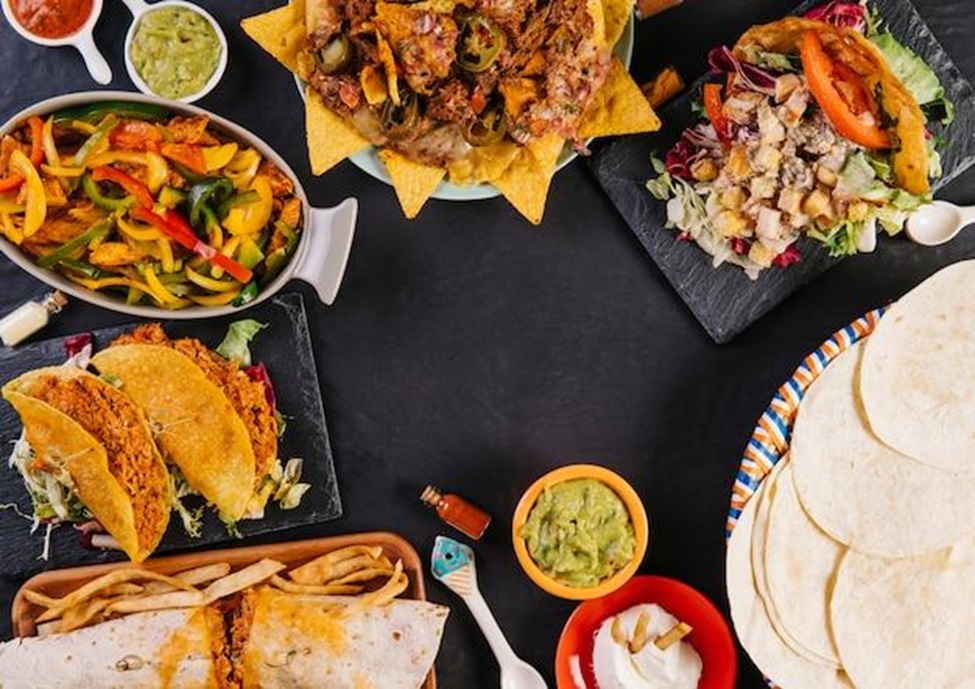
The evolution of Tex-Mex cuisine—a term that aptly describes the blend of Texas and Mexican culinary practices—illustrates a journey that began in the decades following Texas’s independence from Mexico in the 19th century. As ranchers and settlers began to establish their homesteads, they brought with them a new set of preferences and cooking habits that were far removed from the traditional Mexican recipes. The diverse ingredients available in Texas, including beef, which was central to ranching culture, led to the birth of iconic dishes such as the beef taco and chili con carne.
Tex-Mex is characterized by its use of ingredients like cheese, ground beef, and wheat flour tortillas, which, while beloved, were not prevalent in traditional Mexican cuisine. Moreover, the construction of the railroads in the late 19th century introduced migrants from various regions, including Central and South America, who incorporated their own flavors, further diversifying the Tex-Mex culinary landscape. This evolution was also influenced by the diaspora of Mexicans and Mexican Americans who settled in urban centers like San Antonio and Houston, bringing with them a wealth of family recipes and cooking techniques that transformed both home and street food culture.
As Tex-Mex gained popularity, it began to permeate both local and national consciousness, leading to the establishment of restaurants that brought these dishes to the mainstream. The legendary El Fenix, established in Dallas in 1918, is often credited with popularizing the combination plate—a staple that showcases a variety of flavors on one plate, making it accessible and appealing to a broad audience. Over the decades, Tex-Mex has evolved continuously, characterized by a spirit of innovation and pan-regional collaboration, celebrated today for its bold flavors and hearty offerings.
Culinary Traditions Passed Down Through Generations
At the heart of Texas Mexican cuisine is a profound respect for family traditions and cooking practices that have been passed down through generations. In many families, cooking is an intergenerational art form. Grandmothers pass on recipes to mothers, who in turn share them with their children, often involving them in the preparation process. This oral tradition carries a wealth of knowledge about not only recipes but also the significance of particular dishes during cultural celebrations and familial gatherings.
One such example is the making of tamales during the holiday season, a cherished family activity in which multiple generations come together to form an assembly line, wrapping masa filled with meat or sweet fillings in corn husks. This communal cooking experience extends beyond simply preparing food; it is about storytelling, laughter, and the sharing of values, demonstrating the significant role that food plays in cultural identity. Many families emphasize the importance of using traditional ingredients sourced from local markets to maintain authenticity, demonstrating an enduring connection to their roots.
Furthermore, the cultivation of certain dishes has become rites of passage within families, where specific skills and recipes are markers of pride. As the culinary landscape continues to evolve with modern influences, the preservation of these traditions and recipes serves as a bridge between past and present, offering a sense of belonging and continuity. These rich culinary narratives are vital not only to personal identity but also to the larger narrative of Texas Mexican cuisine, ensuring that as the world changes, the essence of these flavors endures across generations.
Signature Dishes That Define Texas Mexican Food
Unraveling the Mystique of Barbacoa and Brisket Tacos
Barbacoa, a traditional Mexican dish commonly associated with slow-cooked meats, holds a special place in Texas Mexican cuisine, where it has adapted uniquely to reflect local flavors and traditions. The word “barbacoa” traces its roots back to the Taíno word “barabicu,” describing a fire pit used for cooking, which evolved into the barbacoa cooking method we recognize today. In Texas, barbacoa is often made using beef cheek or brisket, seasoned with a variety of spices and slow-cooked to perfection, resulting in succulent, tender meat that melts in your mouth.
The preparation of barbacoa, particularly during the weekends or special occasions, has transformed into more than just a meal; it has become a symbol of sharing and community. The accompanying brisket tacos reflect a quick evolution of traditional cooking methods merged with Texan ingredients. The integration of grilled or smoked brisket, often seasoned with robust rubs and smoked to yield distinctively smoky flavors, exemplifies how this dish became a staple that resonates with Texans of all backgrounds. The richness of horseradish or chipotle sauces paired with fresh toppings such as onions, cilantro, and lime add depth to the tacos, creating a multi-layered flavor experience.
Moreover, instances of cooking barbacoa in local communities represent a burgeoning farmers’ market culture, where local chefs and home cooks alike source fresh ingredients to craft their versions of these signature tacos. Over the years, barbacoa and brisket tacos have transcended their status as mere food items, becoming culinary signifiers of Texas’s rich heritage, appreciated and celebrated across the nation, and further illustrating Texas’s distinctive culinary voice.
Enchiladas vs. Chilaquiles: Decoding Your Favorite Comfort Food
The rich tapestry of Texas Mexican food would be incomplete without the iconic enchiladas and chilaquiles, two quintessential comfort foods that have garnered fans across the state. Enchiladas, characterized by corn tortillas stuffed with a variety of fillings—ranging from meat to cheese and spinach—are typically smothered in a robust sauce, often made from tomatillos, chiles, or red chilies. This luscious dish epitomizes comfort eating, where every bite evokes familiarity and warmth.
Contrastingly, chilaquiles represent the ideal way to utilize leftover tortillas, transforming them into a breakfast or snack option that’s as diverse as it is beloved. The dish consists of fried or baked tortilla chips tossed in a sauce, topped with ingredients like fried eggs, shredded meat, cheese, and avocado. Chilaquiles can be customized based on regional preferences, infusing them with unique flavors that highlight local ingredients and seasonal produce, thus making every serving a reflection of the chef’s creativity.
The debate about which dish reigns supreme often sparks spirited discussions among Tex-Mex aficionados. While enchiladas afford a more formal dining experience, often served during family gatherings or celebrations, chilaquiles speak to a more casual setting, embodying a spirit of improvisation and sustenance. Many local restaurants pride themselves on perfecting their recipes for both, often creating a distinctive twist that showcases the chef’s personality and heritage, ensuring that both dishes remain firmly entrenched in the collective culinary memory of Texas.
The Art of Making Authentic Tamales: A Family Affair
The process of making tamales is not just a culinary task; it represents a rich tradition encapsulated within the family unit. Tamales date back to pre-Hispanic times and have evolved to become a staple in both Mexican and Texan culture, celebrated for their versatility and the emblematic significance they carry during holidays and special gatherings. Typically composed of masa, filled with an array of ingredients, and steamed in corn husks, tamales have become synonymous with communal cooking, where the family gathers to partake in this elaborate yet cherished process.
The making of tamales is often an all-day affair, involving multiple hands that contribute to each step of preparation—from soaking the corn husks and mixing the masa to assembling and steaming. Families often rotate the roles so that everyone, from the youngest to the eldest, participates, creating a bond that transcends generations. In many cases, the fillings reflect personal stories, often tailored based on family recipes that have been treasured and upheld—be it a spicy pork filling, a sweet treat with cinnamon and raisins, or a vegetarian blend that highlights seasonal produce.
The final product is more than food; it embodies the essence of family heritage and love expressed through cooking. Whether served during Christmas, Día de los Muertos, or at birthdays, tamales symbolize celebration, unity, and cultural identity, reinforcing connections among family members and the community. These cherished recipes, passed down from one generation to the next, transform everyday meals into acts of love and remembrance, ushering forward the vibrant legacy of Texas Mexican cuisine.
Local Ingredients That Elevate Everyday Meals
Southwestern Spices: The Heart of Flavor in Texas Cuisine
The importance of spices in Texas Mexican cuisine cannot be overstated; they serve as the backbone of flavor that carries the essence of southwestern cooking. Central to this culinary landscape are spices such as cumin, chili powder, and coriander, which create bold and aromatic profiles that resonate throughout various dishes. Cumin lends its earthy, nutty flavor to staple dishes like chili con carne, while chili powders from various chili peppers—such as ancho, guajillo, or jalapeño—add the varied spice levels that anchor Tex-Mex dishes.
Additionally, Texas’s diverse geography allows for a plethora of regional spices that vary in availability and application. The use of fresh herbs like cilantro is common, enhancing flavors in dishes like salsas, guacamole, and chicken tacos. Another notable aspect of southwestern spices is the rise of local spice artisans who craft unique blends that incorporate both traditional ingredients and innovative ideas, appealing to modern palates seeking both authenticity and creativity. As chefs increasingly shift towards farm-to-table methods, these local spices become assets in their culinary arsenal, enabling them to craft intricate dishes that continue to honor Texas Mexican heritage while propelling the cuisine into new territory.
Moreover, the dialogue around spices in Texas Mexican cuisine extends to discussions of sustainable practices and sourcing. Many chefs actively seek out local farmers and artisanal producers who uphold sustainable farming practices, promoting both community and environmental health. The bridging of traditional flavors with modern culinary techniques elevates Texas Mexican cuisine by infusing contemporary sensibilities while maintaining deep cultural roots, ensuring that the heart of flavor remains vibrant and accessible to future generations.
Fresh Produce from the Lone Star State: A Seasoned Palette
Texas is blessed with a climate that yields a diverse array of fresh produce, providing a robust foundation for Texas Mexican cuisine. Local farmers’ markets and co-ops throughout the state showcase seasonal fruits and vegetables that are indispensable to the creation of flavorful dishes. Iconic ingredients such as tomatoes, peppers, sweet corn, and avocados not only elevate the flavor profiles but also help maintain a direct connection between the land and culinary traditions.
This emphasis on fresh ingredients enhances the authenticity of traditional dishes, allowing chefs and home cooks alike to prepare meals that capture the essence of Texas’s seasons. The arrival of spring heralds an abundance of ripe tomatoes, which become central in salsas and sauces. Summer brings an influx of sweet corn, perfect for elote, while fall provides bountiful harvests of squash and pumpkin used in various tamal recipes. The requested seasonal menu changes help preserve the idea of freshness while being mindful of local availability.
Furthermore, embracing farm-fresh produce encourages a communal approach to cooking, as families prioritize time spent gathering to create meals. Farmers’ markets often serve as social gathering spaces where locals share tips, recipes, and food preparation practices. This communal spirit reinforces the idea that cuisine is not merely about sustenance but an expression of art and culture that thrives on collaboration, regional identity, and seasonal awareness.
Texas’ Unique Takes on Traditional Salsas and Sauces
The array of salsas and sauces that characterize Texas Mexican food speaks volumes about the region’s love for flavor and culinary creativity. Unlike traditional Mexican salsas that may emphasize a handful of ingredients, Texas versions often feature a more comprehensive blend that showcases local produce and spices. From the smoky, roasted tomatillo salsa verde to the bright and zesty pico de gallo, these condiments are indispensable accompaniments that elevate every meal.
One of the hallmarks of Texas salsas is their incorporation of varied textures and flavor profiles. For instance, many dishes feature chunky salsas that include a mix of diced vegetables and herbs, achieving a perfect balance that complements the cohesion of the dishes. Another popular variation is the use of cream or cheese-based sauces, such as creamy jalapeño ranch, which adds a layer of richness to tacos, burritos, and enchiladas. The inclusion of smoke, char, and even heat creates culinary excitement, catering to the undeniably bold preferences of Texans.
With the rise of artisanal salsa makers, many are now experimenting with unconventional ingredients, contributing to the dynamic evolution of flavor. Infusing fruits like mango or pineapple in traditional salsas marries sweetness with heat, adding adaptability to the offerings. Restaurants and home chefs often take pride in crafting their unique house salsas, leading to interesting flavor combinations that exemplify local flavors and culinary innovation. These unique salsas and sauces are not merely embellishments—they are integral to the culinary experience, adding depth and richness while celebrating the essence of Texas Mexican food.
Culinary Experiences: Where to Savor the Authentic Flavors
Hidden Gems: Off-the-Beaten-Path Tex-Mex Eateries
In Texas, adventure often lies just beyond the beaten path, particularly when it comes to Tex-Mex eateries that abound with character and flavor. These hidden gems often go unnoticed by travelers but reveal an extraordinary culinary experience to those willing to search for them. Small, family-run restaurants often embody the spirit of authenticity, where recipes have been cherished and perfected over decades. They serve not only as dining establishments but also as community hubs where locals gather to enjoy flavors that evoke nostalgia.
Such establishments may include stuffed-to-the-brim taco joints in rural farms or vibrant cantinas nestled in urban corners known for their lively atmosphere. Often characterized by handwritten menus and personal touches, these eateries frequently source their ingredients from local farmers, ensuring fresh and flavorful offerings that reflect the region’s terroir. Among the best-kept secrets are places that specialize in obscure regional dishes—think unique variations of enchiladas suizas or exuberant combinations of chilaquiles that bear distinct character. Often returning to these spots becomes a tradition, where family recipes continue to delight new generations.
In addition, the rise of food blogs and local food critics has shed light on many hidden culinary treasures, encouraging food lovers to embark on a journey through the wealth of local flavors. These experiences not only celebrate the diverse spectrum of Texas’s culinary landscape but also allow diners to engage with the stories behind each dish, fostering deeper connections to the food they consume and the communities they represent.
Food Festivals Celebrating Texas Mexican Heritage
Texas is home to a plethora of food festivals that celebrate the rich heritage of Texas Mexican cuisine, each event providing an opportunity to dive deep into the culinary arts and cultural practices associated with this extraordinary food tradition. Annual festivals, such as the San Antonio Fiesta and the Houston Food and Wine Festival, highlight the collective pride of Mexican culture through food demonstrations, tastings, and competitions that showcase traditional recipes and modern innovations alike.
One of the most vibrant festivals is the annual Luminations event at the San Antonio Botanical Garden, which marries stunning visual displays with culinary delights centered around Tex-Mex dishes. This event features local chefs crafting unique offerings, highlighting the dynamism of Texas Mexican food and its adaptability over time. Guests stroll through shimmering light displays while indulging in gourmet tacos, fusion enchiladas, and stand-out salsas that illuminate the vibrancy of the culinary scene.
Moreover, these festivals often serve as platforms for community engagement, where cultural presentations, music, and dance performances complement the culinary experience. They offer both visitors and locals the opportunity to learn about the rich stories behind each dish, fostering cultural exchange and appreciation. In an age where food experiences increasingly blend entertainment and education, these festivals provide a delicious avenue for honoring Texas Mexican heritage, ensuring that ongoing traditions are celebrated and cherished.
Cooking Classes and Culinary Tours: Immersing in Flavor
For those looking to immerse themselves in the flavors of Texas Mexican food, cooking classes and culinary tours offer a dynamic way to connect with the culture on a personal level. Engaging hands-on experiences allow participants to learn from skilled chefs, who share their insights into time-honored techniques, ingredient sourcing, and the cultural significance behind various dishes. From assembling tamales to perfecting the art of making homemade tortillas, participants are invited to delve into the culinary heart of the cuisine.
Courses often cater to all skill levels—from novice cooks wanting to learn foundational cooking methods to more experienced home chefs seeking to refine their techniques. Culinary tours stand apart by guiding participants through local markets, where they can receive firsthand knowledge of regional ingredients and how to select the freshest produce, all while understanding the stories interwoven with the local culinary culture. This personalized approach facilitates a deeper appreciation of the traditions and practices behind the food consumed, enriching the participant’s culinary journey.
Uncovering the secrets behind beloved local dishes encourages creativity and exploration in one’s cooking, leading participants to recreate Texas Mexican cuisine in their own homes. With a growing emphasis on experiential dining and learning, these culinary pathways serve as a bridge between tradition and contemporary practices, ensuring that the vibrant flavors of Texas Mexican food continue to thrive for generations to come. Recipients of such experiences emerge not just as better cooks but as ambassadors of flavor who carry forth the culinary narrative of Texas with pride.