Category

Health

Category

            The ability to breathe with ease is indeed a blessing that many take for granted. The respiratory system helps the body to gain oxygen and eliminate waste gases such as carbon dioxide. This system not only ensures a person can breathe normally but also for all cells in the body to get oxygen for its cell metabolism and its viability. The respiratory system is often associated with lungs and its airways. When air enters the body through the nostril, it is filtered to avoid foreign substances that could harm the body. However, when the inside of the nose swells such as with nasal polyp, it causes great discomfort and may cause breathing difficulty. Thus, medicine such as Nasonex 50 mg can help patients to breathe better.

            Nasal polyp is defined as benign inflammatory and hyperplastic outgrowth of sinonasal mucosa. This means that the nasal polyp is a painless soft growth inside the nose that resembles a flesh. Polyp may grow in one side of the nostril, at times even both sides. Nasal polyp can be in a form of single flesh or in clusters. This flesh can be seen as pink or yellowish-brown colour. Those prone to develop nasal polyp include those with a history of asthma, allergies or frequent sinus infection. In general, nasal polyp does not cause a person to have symptoms unless the polyp is too large or has caused breathing or sleep problems. Common symptoms include runny nose, feeling sticky liquid (mucus) running down at the back of the throat (postnasal drip), decreased sense of smell or taste and even nosebleeds.

            Nasal polyp can cause great disturbance to people. People may not immediately find doctors when they have nasal polyp unless it gets severe or occurs so often. Treating nasal polyp can help a person breathe better. There are a number of treatments to help reduce symptoms of nasal polyp. The easiest and best one is nose drop or nose spray containing steroids. Steroids may sound scary but for people with nasal polyp, it can help reduce the inflammation that has caused formation of nasal polyp. Such treatment is the most common prescription or in other words, the first medication prescribed by a doctor to treat polyp, especially small polyps. For large polyps or severe inflammation, steroid tablets may be considered instead of the spray or drops. Steroid tablets are usually given for up to 2 weeks and may be accompanied with the usage of nose drops or sprays. Although steroid tablets may seem like a great and easy solution for nasal polyp, there are some downsides of using such medicine such as weight gain. The last resolution for treating nasal polyp is by undergoing surgery. The common surgery procedure is known as polypectomy. Polypectomy is usually considered in patients that show no sign of improvement after 10 weeks of treatment using steroids. During the procedure, the polyp is removed with a small surgical tool or also known as micro surgical instruments and in some cases, small pieces of bones in the nose may need to be removed. Removal of the small bones help to expand the nasal airway and enable the patient to breathe better.

            Treating nasal polyp is no easy matter and even when a person receives treatment, the probability of the nasal polyp to re-grow is high although surgery has been done. It is common to use nasal spray or drop even after surgery to help prevent nasal polyp from re-develop. It may seem that treatment for nasal polyp is solely medical but there are actually other ways that may be considered on top of medical treatment. This includes natural remedies such as tree oil, taking steam bath, using a humidifier, to learn more about what triggers an allergic reaction and to avoid it. It is important for patients to discuss the non-medical way of treating nasal polyp before even doing one. This will help patients to prevent potential danger or worsening the already existing nasal polyp.

            One of the common medications used for nasal polyp is Nasonex. Nasonex contains mometasone as its corticosteroid. Corticosteroid prevents the release of a substance known as histamine from being released and triggering an inflammatory response in the body. Nasonex is usually used for once or twice a day depending on severity of symptoms. Patients should avoid spraying onto the middle wall of the nose or onto the middle wall of the nose and to avoid spraying into the eye or mouth. Nasonex is best used on a daily basis and at the same time of the day. Nasonex should help improve symptoms within the first 2 days of administering the medicine but it may take up to 2 weeks. Nasonex should not be used for more than a month unless directed by a doctor. Common side effects of Nasonex include nose or throat dryness, nosebleed and blood-stained phlegm. Should the side effects get worse, patients should consult with their doctor immediately.

            It can be concluded that it may not be easy to treat nasal polyp. The key for a person to be free from symptoms of nasal polyp is to follow their doctor’s advice and to get early treatment.

Also read – Dengue Prevention.

Having a healthy body and mind is indeed not an easy thing. Living in the modern world itself poses a challenge to a healthy and active lifestyle. However, there should be no excuse to take care of your health because health is something that should be taken seriously and maintained. A healthy life means a happier you. However, not everyone might be lucky to have a life without any physical pain and what is worse, some pain may be there throughout their lifetime. One of the diseases that often be misunderstood and affect a person greatly is fibromyalgia.

Fibromyalgia is a condition characterised by chronic widespread pain, unrefreshing sleep, physical exhaustion and cognitive difficulties. It occurs in all populations with an estimation of 2 to 4% in the general population. Fibromyalgia is a problem with the nervous system process pain leading a person to have heightened sensitivity to pain. Fibromyalgia is often a disease that is easily mistaken for other medical conditions, sometimes going on for long till the extent of debilitating a person’s life. However, despite being a serious medical condition, there are many myths that subdue the fact, making people suffering with fibromyalgia often be taken lightly and suffer in silence.

Myth: Fibromyalgia is not real.

Fact: Fibromyalgia is a real thing. It affects millions of people. It is chronic pain, a pain that lasts for a long time. Some may say fibromyalgia does not exist possible to the range of symptoms that is nonspecific and may be confused as other harmless medical conditions such as mental disorder. Some may even say fibromyalgia does not exist because the cause and the nature of the disease is not well understood. Fibromyalgia is a syndrome which means a set of symptoms. It is a disease that cannot be explained with other health conditions and symptoms complained by patients that meets predefined criteria for diagnosis fibromyalgia is enough to state a person with fibromyalgia.

Myth: “Tender points” are always a symptom of fibromyalgia.

Fact: The presence of 11 out of 18 tender points used to be part of diagnostic criteria for fibromyalgia but it is not applicable anymore. This is because up to 20% people with fibromyalgia does not have tender points but still meets the predefined diagnostic criteria for fibromyalgia such as symptoms that presents for at least 3 months, generalised pain in 4 out of 5 regions of the body and according to Widespread Pain Index Score (WPI) equal to or more than 7 with a Symptom Severity Scale (SSS) score equal to or more than 5/ WPI of 4 to 6 with SSS score of equal to or more than 9.

Myth: Fibromyalgia is a type of depression

Fact: Fibromyalgia may be called “masked depression” but not all people with fibromyalgia have depression. In fact, many people with depression do not have chronic pain or symptoms of fibromyalgia. It is understandable why depression and fibromyalgia may be confused as the two conditions may overlap due to genes or psychological traits underlying it. However, this does not translate to depression and fibromyalgia is the same thing.

Myth: Fibromyalgia is the same as small fibre neuropathy.

Fact: Small fibre neuropathy is associated with many chronic pain conditions such as amyotrophic lateral sclerosis and postural tachycardia syndrome. However, small fibre pathology cannot be detected in all patients with fibromyalgia. Plus, the typical symptoms or sign of patients with small fibre neuropathy differs greatly from what can be found in patients with fibromyalgia.

Myth: Fibromyalgia only occurs in middle-aged women.

Fact: Fibromyalgia occurs in all ages although the majority of patients are aged 40 to 60 years old. Patients with fibromyalgia and do not have tender points, the female-to-male ratio is 1 to 2:1. This means that both men and women have the same risk for developing fibromyalgia. Risk for getting fibromyalgia is higher when a person has a history of rheumatic diseases such as rheumatoid arthritis and mood disorders such as depression or anxiety.

Myth: Fibromyalgia is a useless diagnosis.

Fact: Diagnosis of fibromyalgia is helpful especially when information regarding the disease such as the nature of the disease, planned treatments and what to expect. This will at least help patients with fibromyalgia to come to terms with what they are having and lessen the emotional distress caused by the disease.

Myth: Antidepressant is the best treatment for fibromyalgia.

Fact: Only a small number of people do benefit from antidepressants such as monoamine oxidase inhibitors, tricyclic and serotonin reuptake inhibitors. It is worth it for patients to be trying treatment using medication such as antidepressant but it is often accompanied with other treatments too such as psychotherapy, exercise, getting advice from sleep specialists and alternative treatment such as acupuncture. There is no cure for fibromyalgia but treatment aims to reduce symptoms and ensure patients are able to adapt or manage symptoms.

Myth: Fibromyalgia shortens a person’s life.

Fact: A person with fibromyalgia can live their daily life just like any other healthy person can. It does not cause a person to die early as the disease itself does not progress to something worse or become life-threatening. It is certainly not a disease that damages the joint, muscles or organs.

Also read – Dengue Prevention.

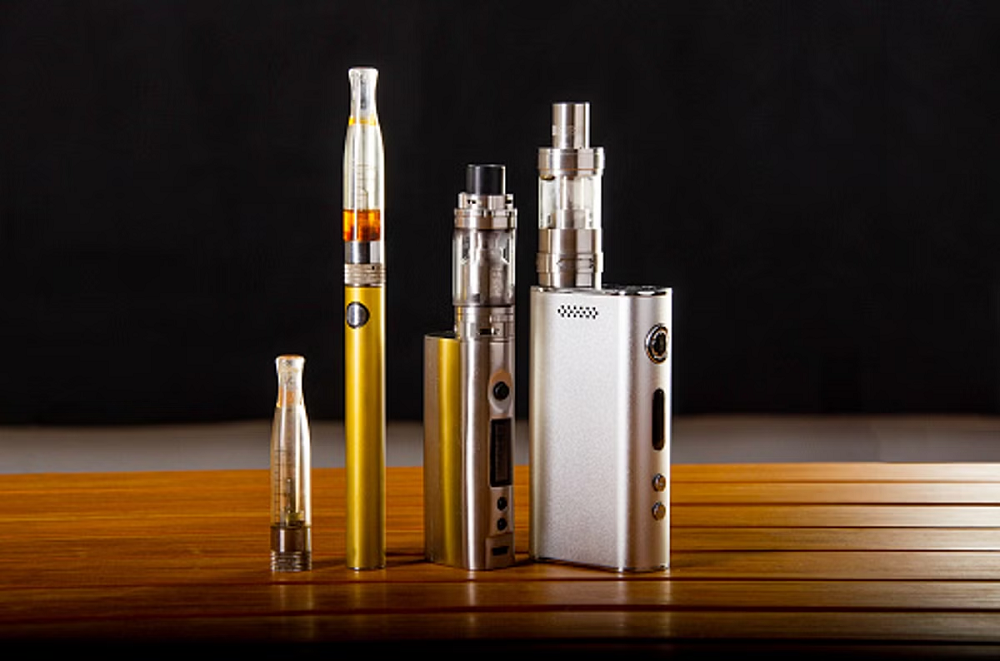
Starter Kits are an excellent way to get into vaping. They come from all the top brands and offer you a wide variety of choices.

Closed pod kits are a popular option due to their ease of use and discreet nature, producing fewer clouds on exhale. Furthermore, these บุหรี่ไฟฟ้าพร้อมสูบ tend to be more budget-friendly than other options available on the market.

Starter KitsVape starter kits provide all of the components necessary to get started vaping. Generally, they include a vaping device, tank, or pod with a coil and charging cable.

Vaping devices come in an array of styles and power levels. From straightforward cig-a-likes with a small battery to more robust and customizable box mods, there’s something for everyone when it comes to vaping devices.

Vaping devices consist of an atomizer that evaporates the e-liquid you use and a battery that powers them. They also feature an interface that allows users to alter voltage or wattage settings, adjust temperature settings, and turn the device on or off.

  • Pod Kits

Pod kits are ideal for smokers just starting to vape or transitioning from cigarettes. They’re easy to use and don’t produce large clouds of vapor that could be noticed in public places.

Pod devices, unlike mods, tend to be low maintenance and don’t need constant fiddling with coils or adjusting wattage or buttons. Plus, since you won’t need to refill e-liquids as often, you save money and keep your kit well-stocked with essential items.

  • Mod Kits

Vape mods are electronic devices that allow you to adjust wattage, voltage, and other settings. Usually, they include a display screen as well as a function button for easy navigation.

Box mods are a widely-used type of vape mod with various capabilities. Generally box-shaped with 510 threading, these mods offer various wattages from 100W up to 300W.

Mouth-to-lung vapers often opt for these devices, though some also cater to sub-ohm tank users. Since these setups require more advanced components than AIOs and require RBA coils, make sure the device you select is compatible with what you plan to use before purchasing it.

  • Accessories

Accessories can make your vaping experience even better. These could include custom drip tips, wicks, and wires.

Consider investing in a high-quality carrying case for your new vape device. This will keep all of your gear together and protect it from getting damaged.

It’s essential to stock up on batteries and chargers for your new electronic cigarette device in advance. Doing so can save you time and frustration if the batteries die unexpectedly.

When it comes to women’s health, reproductive well-being is undoubtedly crucial for fertility, pregnancy, and overall fitness. However, sexual wellness is equally important, and one common issue that many adult women face is vaginal dryness. While there is ample awareness about the importance of safe sex practices and personal hygiene to prevent sexually transmitted diseases (STDs), the problem of vaginal dryness is often overlooked but can significantly impact a woman’s sexual well-being.

What Is Vaginal Dryness? Vaginal dryness, also known medically as atrophic vaginitis, is a prevalent condition among adult women. It occurs when the vaginal tissues lose their robust structure, becoming thinner, more sensitive, and delicate. Contrary to the misconception that vaginal dryness primarily affects menopausal women, it can occur at any age due to hormonal fluctuations, medications’ side effects, tobacco/nicotine use, or excessive alcohol consumption. Low estrogen levels in the body are a primary cause of vaginal dryness, which can occur in both menopausal and younger women.

Common Symptoms of Vaginal Dryness

Vaginal dryness can lead to various uncomfortable symptoms, including:

  • Vaginal itching and discomfort
  • Burning sensation in the genital area
  • Intense pain during intercourse
  • Bleeding during or after sex

It’s important to note that in some cases, underlying conditions such as urinary tract infections or perimenopause may contribute to vaginal dryness. In such cases, a medical diagnosis and treatment are necessary. However, when vaginal dryness occurs solely during sexual activity, there are simple and readily available solutions in the form of vaginal lubricants.

Understanding Vaginal Lubricants During intimacy and arousal, the vagina naturally produces fluids that lubricate the area. This natural lubrication reduces friction, discomfort, and the risk of tissue damage during penetration, making sexual activity more pleasurable. However, some women experience vaginal dryness, which can make intercourse painful and uncomfortable.

Vaginal lubricants are products designed to address this issue. They are applied topically to the vagina and surrounding areas to provide lubrication during sexual activity, effectively resolving vaginal dryness and reducing discomfort.

Types of Vaginal Lubricants Vaginal lubricants come in various textures, compositions, and consistencies. Here is a guide to the different types of vaginal lubricants available

Water-Based Lubricants (Astroglide, KY Jelly, Sliquid H2O)

  • These lubricants are thin and fluid.
  • They are available in two variants: with glycerin and without glycerin.
  • Glycerin-free lubricants are preferred by some individuals as they are less likely to cause vaginal irritation.

Oil-Based Lubricants (Uberlube, Foria Awaken, YES Organic)

  • Oil-based lubricants have a greasy texture.
  • They come in two categories: natural (containing ingredients like coconut oil or olive oil) and synthetic (made with substances like Vaseline petroleum jelly or mineral oils).
  • While these products are safe for external use, they can be sticky and challenging to wash off.

Silicone-Based Lubricants )ID Millennium, Wicked, System JO)

  • Silicone-based lubricants consist of polymer oils.
  • They are typically odorless and have a smooth, slimy texture.
  • Silicone lubricants tend to last longer compared to water-based and oil-based options.
  • They are hypoallergenic and generally do not cause allergic skin reactions, but they may require more effort to wash off and may need a mild soap or body wash for removal.

Benefits of Vaginal Lubricants Vaginal lubricants offer a range of benefits for women’s sexual wellness, including

  • Reducing Pain and Discomfort: Lubricants can decrease discomfort during penetration and sexual intercourse, making the experience more enjoyable.
  • Relieving Irritation and Itching: Persistent vaginal dryness can lead to itching and irritation, which lubricants can soothe.
  • Preventing Tissue Damage: In cases of severe vaginal dryness, there is a risk of tearing and injury to delicate vaginal tissues. Lubricants help prevent this.
  • Enhancing Sensual Pleasure: Lubricants can elevate sexual pleasure and satisfaction for women during intercourse.
  • Accessibility: Vaginal lubricants are widely available in various varieties and are a simple, cost-effective solution to tackle vaginal dryness and improve sexual well-being.

Side Effects of Vaginal Lubricants While most vaginal lubricants are safe for external use and readily available in stores and pharmacies, some individuals may be sensitive or allergic to certain ingredients. Frequent use of lubes with allergenic components can lead to rashes, hives, and itching. Therefore, it is essential to choose a vaginal lubricant that suits your specific needs and does not contain any ingredients that may trigger allergies. Ensuring optimal sexual wellness in women involves selecting products that are compatible with their individual sensitivities.

In conclusion, vaginal dryness is a common issue that can significantly impact a woman’s sexual well-being. Vaginal lubricants are a practical solution to address this concern, offering numerous benefits and improving the overall quality of intimate experiences. It’s essential to explore different types of lubricants, consider personal sensitivities, and choose the right product to enhance comfort and pleasure during sexual activity. By prioritizing sexual wellness and addressing concerns like vaginal dryness, women can enjoy a more fulfilling and satisfying intimate life.