Category

Business

Category

Before starting any construction project, proper land preparation is essential. The condition of your land plays a major role in deciding what type of structure can be built and how strong and long-lasting it will be. By preparing land before construction, you can avoid future problems and ensure the project runs smoothly from the beginning.

The first step in preparing land is planning and research. This involves studying the land, understanding its features, and deciding how it will be used. You need to look at the size, shape, and location of the land. It is also important to check local rules and permits required for construction. Proper planning helps you make informed decisions and avoid delays later.

The next step is design and layout. This is where you decide how the building will be placed on the land. You need to plan the position of the structure, access roads, and open spaces. A good layout ensures that the land is used efficiently and that the building fits well with its surroundings. Getting the necessary permits at this stage is also important to make sure your project follows all legal requirements.

Land clearing is another key step. This process involves removing trees, plants, rocks, and any unwanted materials from the site. Clearing the land creates a clean and safe area for construction. It also makes it easier for machines and workers to move around the site.

After clearing the land, soil testing should be done. Soil testing helps determine the strength and quality of the ground. It shows whether the soil can support the structure or if any improvements are needed. This step is very important because weak soil can lead to serious structural problems in the future.

Foundation preparation comes next. This involves levelling the land and making sure the surface is stable. Proper grading ensures that water flows away from the structure, preventing water damage. A strong and well-prepared base is necessary for a safe and durable building.

Once the land is ready, the foundation can be installed. The type of foundation depends on the soil conditions and the type of building. A properly installed foundation provides stability and supports the entire structure.

Utilities are also an important part of site preparation. Basic services like water, electricity, and drainage systems must be planned and installed. Proper utility planning ensures that the building will be functional and comfortable to use.

Choosing the right excavation team is another important factor. Skilled professionals understand how to handle different types of land and use the right equipment for the job. Their experience helps ensure that the work is done safely and efficiently.

In conclusion, preparing land before construction involves several important steps, including planning, clearing, testing, and building a strong foundation. By following these steps carefully and working with experienced professionals, you can create a solid base for a successful construction project.

Modern logistics demands speed and precision. Supply chains today depend on accurate timing across every stage. Real-time updates offer visibility and control in the final mile. Warehouses and carriers use live data to plan smarter routes. Every shipment benefits from higher coordination. The flow between docks becomes smoother and faster. Each truck uses fewer idle hours near the gate. Warehouses match arrivals with open doors more easily. Every second saved improves cost and performance. Reliable data turns confusion into steady control.

Power of Dynamic ASN Visibility

Real-time ASN updates transform delivery planning. They reveal where each load currently moves. A carrier can adjust the journey before arrival. A warehouse can prepare space for incoming freight. Both gain stronger awareness across every leg. Real-time data improves accuracy for projected times. That knowledge turns waiting into readiness. It reduces surprise delays and missed slots. Teams work in sync with live information. A single advanced shipment notice forms the base of action. Each movement becomes more predictable with digital precision.

Impact on Cross-Docking Efficiency

Cross-docking succeeds when timing stays perfect. Trucks arrive and depart without storage delays. Real-time ASN updates tell staff what will arrive next. Workers can position pallets in proper zones quickly. They avoid confusion around mixed loads. Dynamic data helps layout match flow. Carriers gain fewer idle minutes on site. Dock crews shift labor to peak activity. Freight transfers happen with steady pace. Time lost in staging stays low. The entire floor moves with better rhythm. Every truck benefits from reduced dwell time.

Automated Dock Door Assignments

Projected arrival times create real opportunity. Intelligent systems assign dock doors before arrival. Drivers enter without waiting for manual checks. Each gate becomes a scheduled touchpoint. Automated control cuts wasted moves around yards. Humans focus on operation not allocation. The warehouse system updates every change instantly. Doors rotate smoothly among incoming shipments. Cross-dock planners gain sharper visibility on timing. Predictive data guides which area stays free. Coordination grows across inbound and outbound zones. Truck flow improves without congestion near entry points.

Minimizing Dwell and Maximizing Flow

Every extra idle minute costs money. Reduced dwell time brings faster turnover. Real-time updates shape each step of process flow. Managers see issues before they build delay. Routes adjust around traffic or weather shifts. The system guides response for constant motion. Efficiency spreads from yard to dock floor. Drivers leave sooner after unloading tasks. Capacity rises without adding equipment. Consistent updates align all moving parts daily. Energy use drops with shorter cycles. The final mile feels lighter and more efficient.

Data stands as the heart of logistics transformation. Carriers and warehouses now trust live feeds for control. Dynamic ASN updates close the gap between motion and management. Cross-docking thrives with faster decisions and fewer pauses. Appointment scheduling grows smarter and more adaptive. The future of logistics depends on real-time truth. Every precise signal leads to smoother delivery flow.

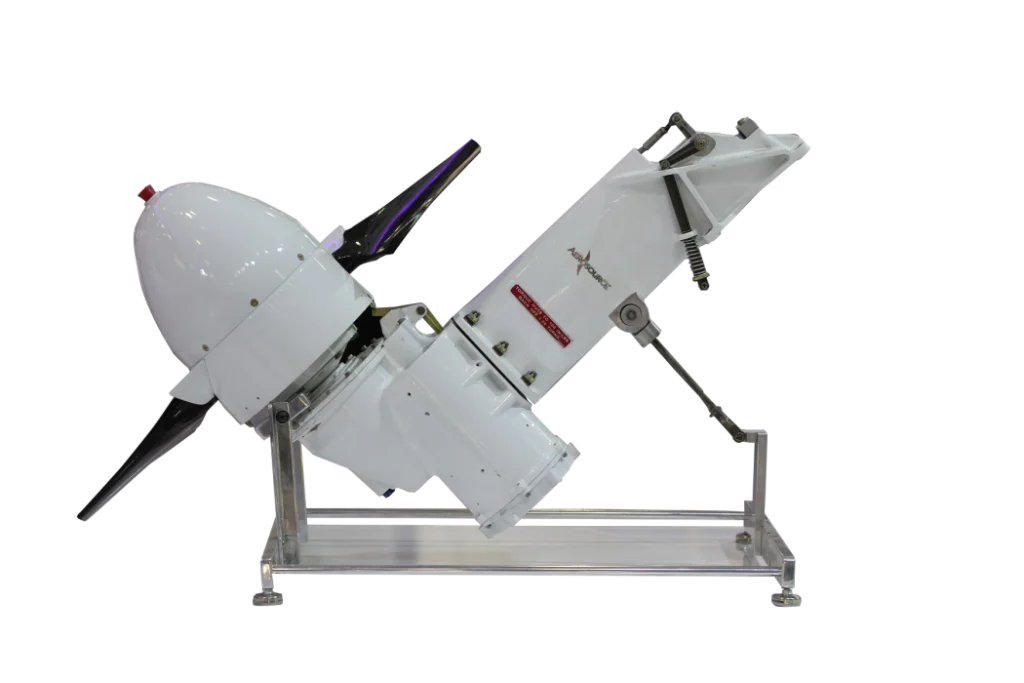
In aviation, redundancy is everything. The ram air turbine (RAT) represents one of the most important emergency systems. A wind power mobile device that deploys itself and offers back up power. With the aid of air flowing over it, the fan produces hydraulic or electrical power to maintain essential flight controls and instruments. Even if the engine fails and all the electrical systems, then the RAT would automatically deploy and let the pilots guide the Airbus until a depletion of fuel.

What Does a Ram Air Turbine Do?

It is common for the ram air turbine to be installed in the wing or fuselage. When needed — like in a twin-engine failure — it moves into the airstream. The fast-moving air rotates the turbine blades, which generate usable power from wind energy. The following utilizes this power, depending on the configuration of the aircraft:

  • Flight control systems
  • Basic cockpit instruments
  • Pressure exerted by hydraulic means in order to carry out the landing gear

Although small in size, the RAT can supply power long enough to keep the airplane under control until the engines can be restarted or the airplane reaches a suitable place to land.

Why is It Called the Ram Air Turbine?

Safety first airliners have come to rely on the RAM Air Turbine because of the aviation industry’s high priority on safety. There are three aspects that are worthy of mention when discussing its significance:

  • Emergency Preparation: Keeps the most critical systems active in event of catastrophic failure.
  • Passenger Safety & Crew Safety: Give stability & control at critical moments.
  • Regulatory Compliance: Primarily for many commercial and military aircraft as mandated by the aviation authorities.

Without the RAT, emergencies that are currently mild might become life-threatening.

Beyond Commercial Aviation

The ram air turbine is most famous in passenger aircraft, but it has more uses. Jet fighters depend on it as a back-up protecting subsystem stress during high-G stunts. RAT-type systems have even been considered in spacecraft design by aerospace engineers providing auxiliary power in planetary atmospheric missions.

Maintenance and Reliability

Even though it’s not something often used, when the RAT is required, it needs to work perfectly. Reliability is maintained via rigid inspection programs by maintenance crews. Key practices include:

  • Routine functional checks
  • Material wear assessments
  • Compliance with manufacturer service bulletins

Improvements in turbine technology still allow developments in efficiencies, longevity, and weight reduction so that modern RATs are now more reliable than before.

The Ram Air Turbine Technology of the Future

Even as aviation moves towards hybrid and electric systems, the ram air turbine is a prosthetist’s manna from heaven. Future innovations may include:

  • Smarter, sensor-driven deployment systems
  • More effective energy utilization to extend backup duration
  • Compatibility with digital monitoring for life-time health tests

Its role will be greatly reinforced as air technology grows in complexity and power demand.

Conclusion

The ram air turbine itself is small, but the significance of the device to aviation safety is huge. Serving as at the over-the-curb last line of defense, it keeps vital equipment up and running in the event of a major catastrophe. Updating the RAT with new features ensures that airlines, pilots, and passengers are always safe, no matter how bad the weather becomes.

Manufacturing methods have evolved drastically through the last century, though certain technologies have become irreplaceable. Among these methods is metal casting, a method that has been around for centuries. Despite its great efficiency, adaptability, and strength, it is by no means succumbed down as the primary driving force of industries around the world. From huge constructions to tiny precision parts, casting is the backbone of manufacturing today. Its relevance in the contemporary world today just goes to show that sometimes tried and tested methods can, and do, stand the test of time.

What is Metal Casting?

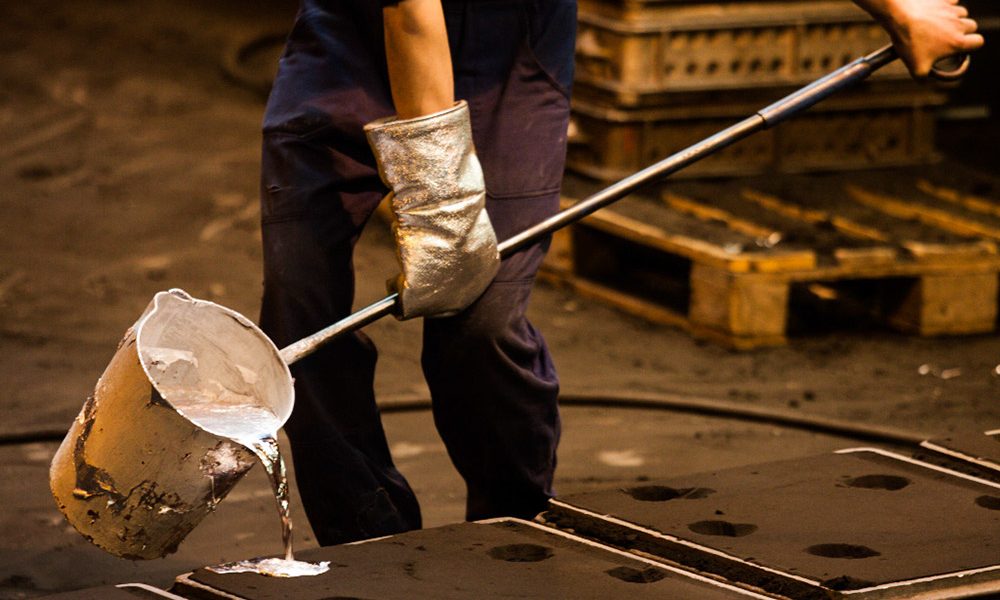
Metal casting is at its core simply pouring molten metal into a mold, with minimal accessory equipment involved. When the molded material has hardened, the mold is removed to expose a finished article.

It’s also one of the most versatile manufacturing methods – and has been for centuries. Whether you need to create milquetoast trinkets or a ludicrously complex part with a curly queue, casting can offer more flexibility than many other processes.

Why Metal Casting Still Matters

The relevance of casting still remains because it has some things going for it that it has going for it:

  • Design Freedom – Can be used to produce simple and also complex shaped parts.
  • Material Compatibility – Compatible with all types of metals and ferrous alloys including aluminum, iron, and steel.
  • Cost Efficient – Ideal for high volume manufacturing and very low cost per unit.
  • Durability – Leads to parts that are resistant to heat, pressure and wear.

These property advantages of metal casting is what makes the effect useful to industries seeking for non-symmetrical, high performance parts.

Applications Across Industries

The act of casting has a hand in almost every sector of modern life:

  • Automotive: Engine blocks, cylinder heads, and transmission housing.
  • Aerospace: Precision turbine and lightweight structural components.
  • Construction: Heavy steel framing – structural beams, girders, and columns for buildings, building supports, and infrastructure.
  • Housewares: Work, plumbing, and house tools, cookware.

From cars to toothbrushes, casting is the form that melts the parts of the world together.

Innovations in Metal Casting

Within its fundamentals, casting has evolved to technology:

  • Molds 3D Printed: Create complex designs in less time.
  • Software Simulation: This is useful for engineers to find out what’s wrong with the product before they even begin manufacturing it.
  • Automation and Robotics: Increase precision, uniformity and safety at work.
  • Green Practices: We recycle scrap metal, and save energy to save the planet.

These are the advances that are ensuring that metal casting remains not just contemporary, but future-proof.

From Here: The Future of Casting

As industries push towards maximum efficiency and more eco-friendly processes, casting is reinventing itself as well. Even lighter materials, hybrids of various processes, and smart monitoring systems are also creating new opportunities. These developments result in an improved process that is more cost effective, controllable, and environmentally friendly than casting. And there is new research in material science that may open the door to stronger (but lighter) components. The integration of AI and machine learning is making production lines more efficient and error-prone. In the end, metal casting will remain the heartbeat of innovation for world manufacturing.

Conclusion

The casting of metals is not just a centuries-old practice; it’s the foundation of modern industrial society. The long-lasting, accurate, and inexpensive components it can produce? Not so much. In the future generations to come, casting will continue to be a key player in shaping the industrial landscape with ongoing development and sustainability at the core of its activity.